
Nigeria is home to a remarkable variety of cultures, languages, traditions, festivals, historical sites, food, music, art, and natural attractions.
From ancient cultural landscapes to colourful festivals and traditional crafts, the country has enormous tourism potential.
Yet many attractions remain relatively unknown outside their immediate communities. Digital technology can help change this by giving destinations, cultural organisations, artists, and local businesses new ways to tell their stories and reach audiences around the world.
Turning Local Attractions Into Global Stories
A beautiful destination cannot attract visitors if people do not know it exists.
Websites, social media platforms, online travel guides, digital maps, videos, and virtual tours can help communities showcase their attractions to audiences far beyond their geographical boundaries.
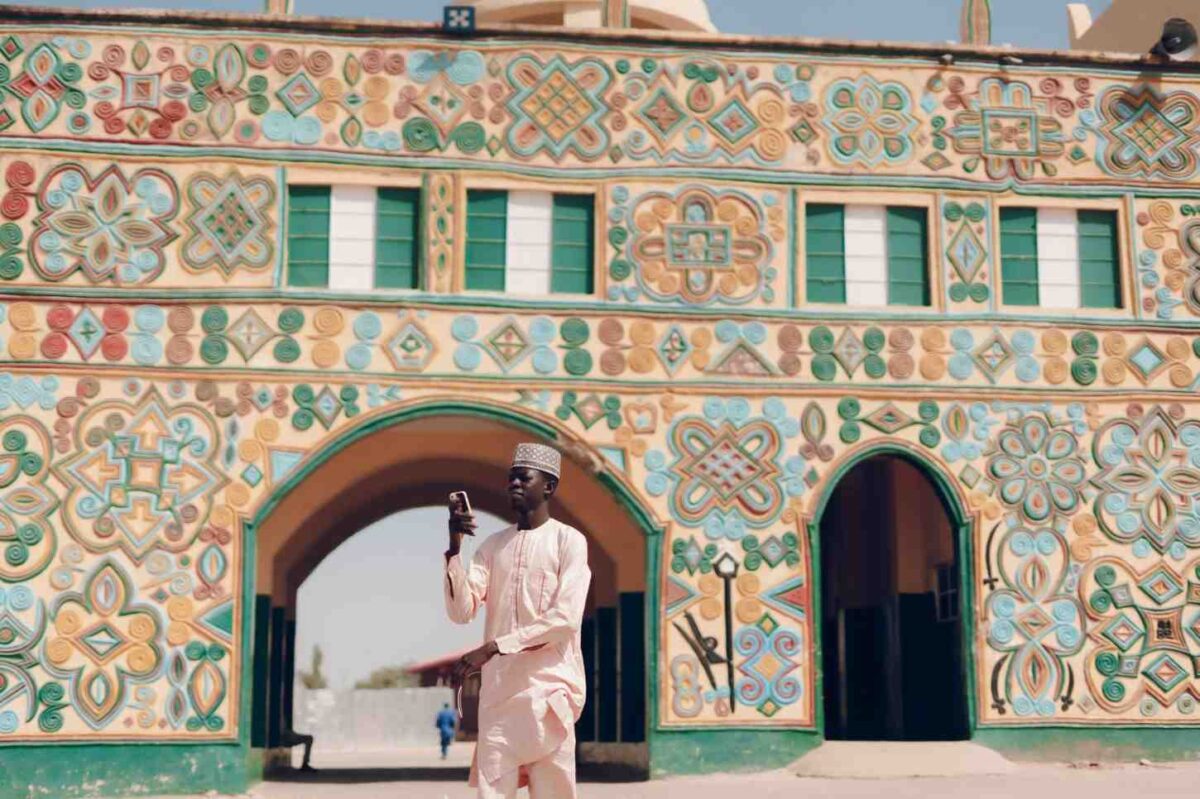
A small cultural festival in a Nigerian community can potentially reach thousands of people online before the event even begins.
Social Media as a Tourism Tool
Social media has become one of the most powerful tools for discovering destinations.
Short videos, photographs, interviews, documentaries, and behind-the-scenes content can introduce potential visitors to places they may never have heard about.
Tourism organisations can highlight:
- Festivals
- Historical sites
- Traditional architecture
- Local food
- Nature attractions
- Arts and crafts
- Cultural performances
- Local stories
Authentic storytelling can make destinations more memorable.
Digital Maps Make Places Easier to Discover
A tourist may be interested in visiting a location but struggle to find reliable information about how to get there.
Digital maps can provide information about attractions, hotels, restaurants, museums, cultural centres, transportation points, and other relevant locations.
Communities can also use digital mapping to document heritage sites that may otherwise receive little online visibility.
Virtual Tours Can Bring Heritage to New Audiences
Not everyone can immediately travel to a historical or cultural destination.
Virtual tours can allow people to explore certain locations digitally before deciding whether to visit physically.
Museums, galleries, cultural centres, and heritage organisations can use photographs, videos, 360-degree experiences, and interactive content to introduce their collections and locations.
Virtual experiences can therefore serve as both educational and promotional tools.
Supporting Local Businesses
Tourism does not benefit only large hotels or travel companies.
Visitors spend money on a wide range of local services, including:
- Food
- Transportation
- Accommodation
- Souvenirs
- Clothing
- Handcrafted products
- Tour guides
- Entertainment
- Cultural experiences
Digital platforms can help these small businesses reach visitors before and during their trips.
A local craft maker, for example, could showcase products online and receive orders from customers who discover the business through a tourism campaign.
Preserving Traditional Knowledge
Digital technology can also support cultural preservation.
Traditional songs, stories, recipes, crafts, languages, ceremonies, and oral histories can be documented through audio, video, photography, and digital archives.
This can create resources for future generations.
However, cultural documentation should be carried out respectfully. Communities should have a meaningful role in deciding what information is recorded, how it is presented, and who can access sensitive cultural materials.
Giving Young People a Role
Young Nigerians can play a major role in promoting cultural heritage.
Young creators can produce documentaries, photography projects, podcasts, travel videos, animations, and educational content about their communities.
This creates an opportunity to combine cultural preservation with digital skills development.
A young filmmaker documenting a traditional festival is not only creating content. They may also be helping preserve a part of the community’s history.
Food Tourism and Nigerian Cuisine
Nigerian food is another major cultural asset.
Different regions have unique dishes, cooking traditions, ingredients, and preparation methods.
Digital storytelling can introduce audiences to these foods through cooking videos, restaurant reviews, cultural documentaries, recipes, and food tourism campaigns.
Food can become a gateway through which people discover the history and identity of a community.
The Importance of Authentic Storytelling
Tourism promotion should not reduce Nigerian cultures to stereotypes.
Effective digital storytelling should present communities accurately and respectfully.
Local residents should be involved in telling their own stories.
This can help ensure that tourism campaigns reflect the realities, traditions, and values of the people whose culture is being promoted.
Building Better Digital Tourism Information
Tourism websites and platforms should provide practical information, not just attractive photographs.
Visitors may want to know:
- Where the attraction is located
- How to get there
- Opening times
- Entry requirements or fees
- Accommodation options
- Safety information
- Nearby attractions
- Contact information
- Available activities
Accurate information can improve visitor confidence and encourage travel.
Challenges to Digital Tourism
Digital promotion alone cannot solve every tourism challenge.
Visitors also need safe transportation, reliable infrastructure, quality accommodation, sanitation, clear information, and well-maintained attractions.
If an attraction is heavily promoted online but the visitor experience is poor, digital marketing can create disappointment rather than sustainable tourism.
Technology must therefore be combined with investment in the actual destination.
A New Opportunity for Nigerian Communities
Imagine a community where a visitor can discover a cultural festival online, explore the location through a digital map, watch videos about its history, book accommodation, contact a local guide, purchase traditional crafts, and share the experience with friends—all through connected digital services.
That is the potential of digital tourism.
It can connect culture, technology, local businesses, and visitors in one ecosystem.
Conclusion
Nigeria has no shortage of cultural and tourism assets. The bigger challenge is ensuring that these assets are properly documented, promoted, preserved, and connected to the people who can benefit from them.
Digital technology provides powerful tools for achieving this.
With thoughtful storytelling, digital mapping, virtual experiences, online promotion, cultural archives, and stronger digital visibility for local businesses, Nigerian communities can introduce their heritage to new audiences while creating economic opportunities.
The future of Nigerian tourism may not only be about where people travel.
It will also be about how effectively communities can tell their stories to the world.
