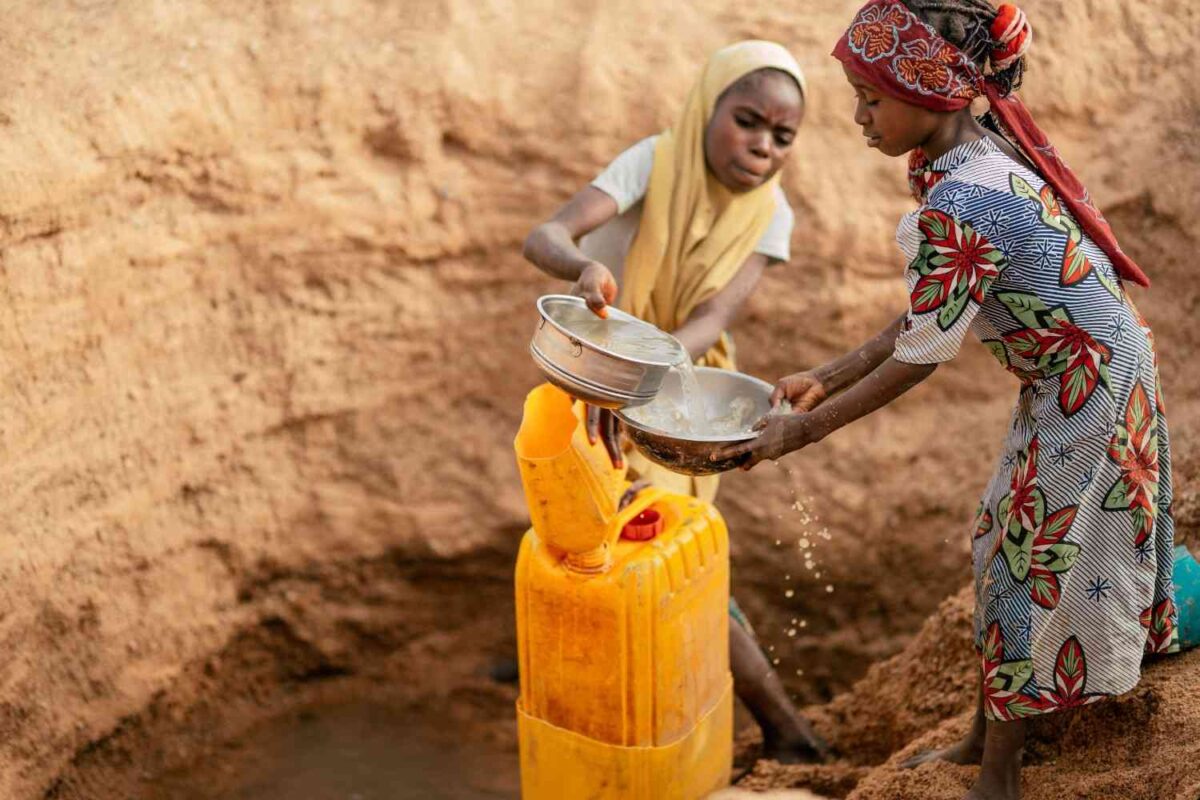
Access to safe and reliable water is essential for public health, agriculture, education, and economic development. Yet many Nigerian communities continue to face challenges such as unreliable water supply, damaged infrastructure, leaking pipelines, and limited information about water facilities.
Technology is creating new opportunities to understand these challenges and manage water systems more effectively.
From digital monitoring and geographic mapping to smart meters and mobile reporting platforms, technology can help communities and service providers make better decisions about water infrastructure.
Why Water Management Matters
Water infrastructure requires continuous monitoring and maintenance.
A borehole that stops working, a damaged pipeline, or a faulty pump can leave an entire community without reliable access to water.
When problems are reported late, repairs may take longer and become more expensive.
A stronger water management system should therefore focus not only on building infrastructure but also on maintaining it.
Digital Mapping of Water Facilities
One of the first steps toward better water management is knowing where facilities are located.
Digital mapping can help authorities and development organisations create records of:
- Boreholes
- Water treatment facilities
- Public taps
- Pipelines
- Storage tanks
- Water points
- Areas without reliable water access
This information can help planners identify communities that are underserved and prioritise infrastructure investments.
Monitoring Water Infrastructure
Digital sensors and monitoring systems can provide information about certain aspects of water infrastructure.
For example, appropriate sensors can help monitor water levels, pump performance, pressure, or equipment status.
Instead of discovering that a facility has failed only after residents complain, operators may be able to identify potential problems earlier.
This supports a shift from reactive maintenance to preventive maintenance.
Mobile Reporting by Communities
Residents can also become an important source of information.
A simple mobile reporting system could allow community members to report:
- Broken boreholes
- Leaking pipes
- Damaged water pumps
- Contaminated water points
- Empty public tanks
- Other water infrastructure problems
Reports can include photographs and location information where appropriate.
This creates a direct communication channel between communities and those responsible for maintaining water infrastructure.
Data Can Improve Maintenance
Water infrastructure does not last forever.
Pumps require maintenance. Pipes deteriorate. Electrical components fail.
Digital records can help operators keep track of maintenance history and identify equipment that frequently develops problems.
Over time, this information can help authorities decide whether infrastructure should be repaired, upgraded, or replaced.
Smart Metering and Water Use
In some water systems, digital meters can provide information about consumption.
Smart metering can help service providers understand demand and identify unusual patterns that may indicate leaks or other problems.
However, such systems must be designed carefully to ensure affordability and fair access to essential water services.
Technology and Rural Communities
Digital water management should not be designed only for major cities.
Rural communities can also benefit from appropriate digital tools.
Community health workers, local technicians, development organisations, and water committees can use mobile technology to report infrastructure conditions and coordinate maintenance.
Simple systems are often more useful than complicated platforms that communities cannot easily operate.
Creating Digital Water Dashboards
A central dashboard can bring information from different locations into one system.
For example, a dashboard could show:
Working water points → Faulty water points → Pending repairs → Completed repairs → Communities requiring attention
This gives decision-makers a clearer picture of water infrastructure performance.
It can also help development partners coordinate interventions and avoid duplication.
Water Quality Monitoring
Access to water is not enough. The water must also be safe.
Appropriate testing and monitoring systems are necessary to assess water quality.
Digital tools can support the recording and management of water-quality information, but actual testing must still be conducted using appropriate methods and qualified personnel.
Technology should support—not replace—proper water-quality assessment.
The Role of Local Communities
Technology is most effective when communities are involved.
Local water committees and community leaders can help identify priorities, monitor facilities, report problems, and encourage responsible use of infrastructure.
Community ownership can also improve the chances that infrastructure will be maintained after an initial project ends.
Challenges to Smart Water Management
Several challenges need to be considered:
- Poor connectivity
- Unreliable electricity
- Limited technical skills
- Cost of equipment
- Maintenance of digital systems
- Limited funding for physical infrastructure
- Data security concerns
Digital transformation should therefore be introduced gradually and according to local needs.
From Infrastructure Projects to Infrastructure Management
A major shift is needed in how water projects are viewed.
Building a borehole should not be considered the end of a project.
It should be the beginning of a management cycle:
Planning → Construction → Monitoring → Maintenance → Repair → Evaluation
Digital tools can help support each stage.
Conclusion
Smart water management offers Nigeria an opportunity to make water infrastructure more visible, measurable, and easier to maintain.
Digital mapping can show where facilities are located. Mobile reporting can help communities communicate problems. Monitoring tools can support preventive maintenance, while data dashboards can help decision-makers understand where resources are needed.
But technology cannot replace investment in physical infrastructure.
The most effective approach combines reliable water systems, trained people, community participation, proper maintenance, and appropriate digital tools.
When these elements work together, communities can move closer to a water system that is not only built—but properly monitored, maintained, and sustained.