
Nigeria’s cities are growing rapidly, and with that growth comes increasing pressure on roads and transportation systems.
Traffic congestion, unreliable public transport, poor route information, road damage, parking challenges, and inefficient traffic management can make daily movement difficult for millions of Nigerians.
Digital technology is opening new possibilities for improving how people and vehicles move around cities.
Smart transportation does not necessarily mean futuristic vehicles or expensive infrastructure. It can begin with something as simple as better information.
What Is Smart Transportation?
Smart transportation refers to the use of technology, data, communication systems, and modern infrastructure to make transportation safer, more efficient, and more responsive.
Examples include:
- Digital traffic monitoring
- GPS tracking
- Electronic payment systems
- Transport information apps
- Smart parking systems
- Digital vehicle management
- Data-driven traffic planning
- Real-time travel information
The goal is to help transport operators, government agencies, and commuters make better decisions.
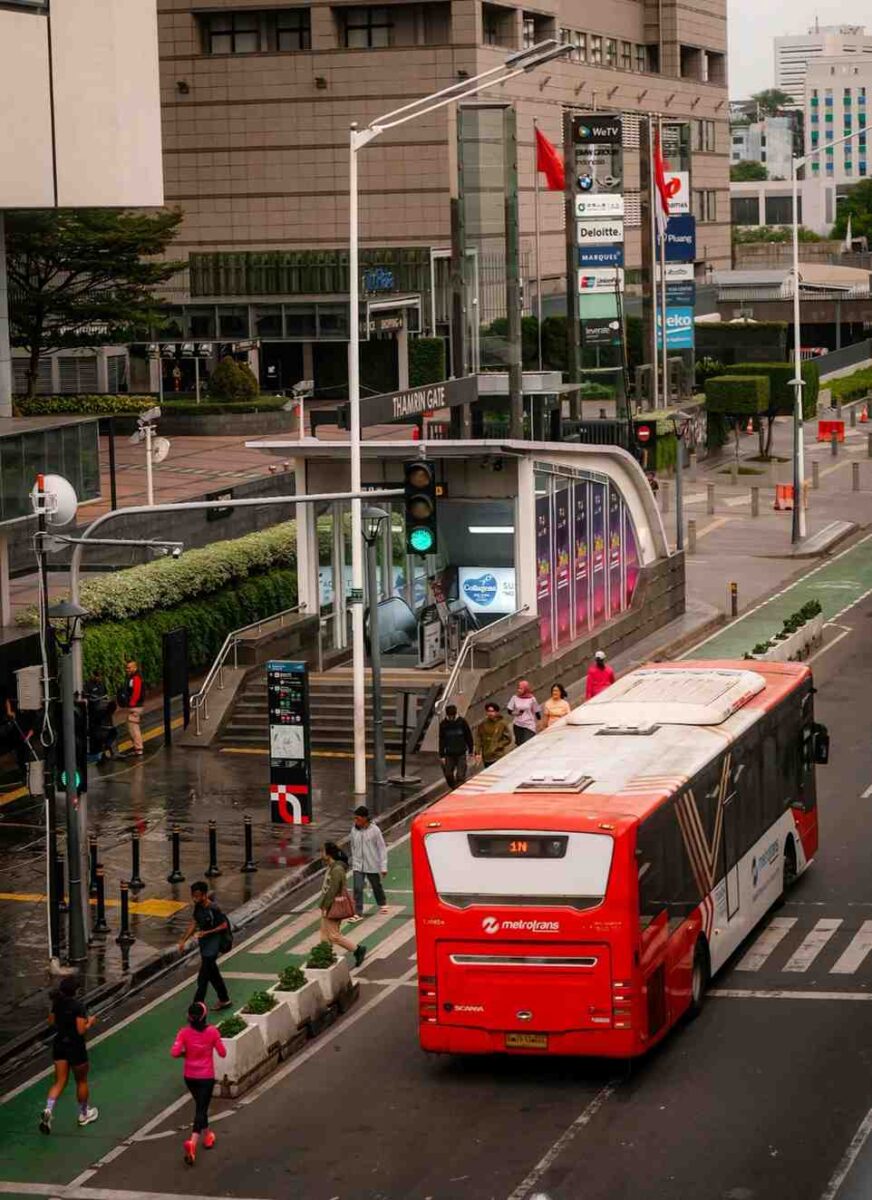
Understanding Traffic Through Data
Traffic congestion is often discussed through personal experience, but transportation authorities need reliable data to understand where and why congestion occurs.
Traffic sensors, GPS data, cameras, and other monitoring systems can help identify:
- High-traffic corridors
- Peak travel periods
- Accident-prone locations
- Frequent bottlenecks
- Road sections requiring attention
This information can support better traffic planning.
GPS Tracking for Public Transport
Public transport users often experience uncertainty.
A passenger may not know when the next bus will arrive or whether a particular vehicle is operating on a specific route.
GPS-enabled transport systems can provide information about vehicle locations and estimated arrival times.
This can make public transport more predictable and potentially reduce the amount of time passengers spend waiting.
Digital Fare Payments
Cashless payment systems can simplify public transportation.
Passengers can use approved electronic payment methods to pay fares, while operators can maintain digital transaction records.
For transport authorities, digital payment data may also provide useful information about passenger volumes and travel patterns, subject to appropriate privacy protections.
Smart Traffic Management
Traffic lights and road management systems can be improved using real-time information.
Instead of relying entirely on fixed timing, some smart traffic systems can adjust signals based on traffic conditions.
For example, a road experiencing unusually heavy traffic may require different signal timing from a road with very little traffic.
Such systems require appropriate infrastructure, reliable maintenance, and careful planning.
Digital Reporting of Road Problems
Citizens often notice road problems before authorities do.
A mobile reporting system could allow residents to report:
- Potholes
- Damaged traffic lights
- Broken streetlights
- Blocked roads
- Dangerous road conditions
- Missing road signs
Reports can include location information and photographs where appropriate.
Transport agencies can then use verified reports to prioritise inspections and maintenance.
Smart Parking
Parking is another major challenge in busy urban areas.
Digital parking systems can help drivers identify available parking spaces and pay electronically where such services exist.
Better parking management can reduce the time drivers spend searching for spaces and help reduce unnecessary traffic around busy commercial areas.
Improving Road Safety
Technology can also support road safety.
Data from traffic incidents can help authorities identify dangerous locations and determine where additional signs, lighting, pedestrian crossings, speed management, or other interventions may be needed.
Driver education can also be delivered through digital platforms.
However, technology should complement proper road design, enforcement, vehicle safety standards, and responsible driving.
Supporting Motorcycles and Tricycles
In many Nigerian cities, motorcycles and tricycles play an important role in transportation.
Digital systems can potentially support better registration, route management, operator identification, payments, and safety monitoring where appropriate.
Such systems should be designed with the realities of informal and semi-formal transport operators in mind.
Public Transport Data Can Improve Planning
Transportation authorities need to know how people move.
Digital data can help reveal:
- Popular routes
- Peak travel times
- Passenger demand
- Areas with limited transport options
- Frequently congested corridors
This information can support decisions about new routes, bus capacity, road improvements, and other transportation investments.
The Challenge of Infrastructure
Smart transportation systems require more than software.
They depend on:
- Reliable electricity
- Internet connectivity
- Road infrastructure
- Skilled technical staff
- Equipment maintenance
- Data security
- Funding
A city should therefore choose technologies that match its infrastructure capacity.
Protecting People’s Data
Transportation systems can generate significant amounts of information.
GPS systems, payment platforms, registration databases, and mobile applications may collect information about users and vehicles.
This information must be handled responsibly, with appropriate privacy, security, access controls, and legal compliance.
Building Better Mobility Step by Step
Cities do not need to become completely digital overnight.
A practical approach could begin with:
Traffic data → Digital reporting → GPS tracking → Cashless payments → Smart traffic management → Integrated transport planning
Each stage can build on the previous one.
Conclusion
Nigeria’s transportation challenges are complex, but digital technology can help cities understand and manage them more effectively.
GPS tracking can make public transportation more predictable. Digital payments can simplify transactions. Traffic data can improve planning. Citizen reporting can help authorities identify road problems, while smart traffic systems can support better movement through busy areas.
However, technology is not a replacement for good roads, responsible drivers, effective public transportation, proper enforcement, and long-term urban planning.
The smartest transportation system is ultimately not the one with the most technology.
It is the one that helps people move safely, affordably, predictably, and efficiently.
