Why Community Health Screenings in Nigeria Are a Development Priority
The burden of undetected chronic disease in rural Nigeria is enormous. An estimated one in three Nigerian adults has hypertension — yet surveys consistently show that the majority are unaware of their condition. Type 2 diabetes affects millions of Nigerians who have never been tested. Cervical cancer, highly preventable and treatable when caught early, remains one of the leading causes of cancer death among Nigerian women because most never receive a screening.
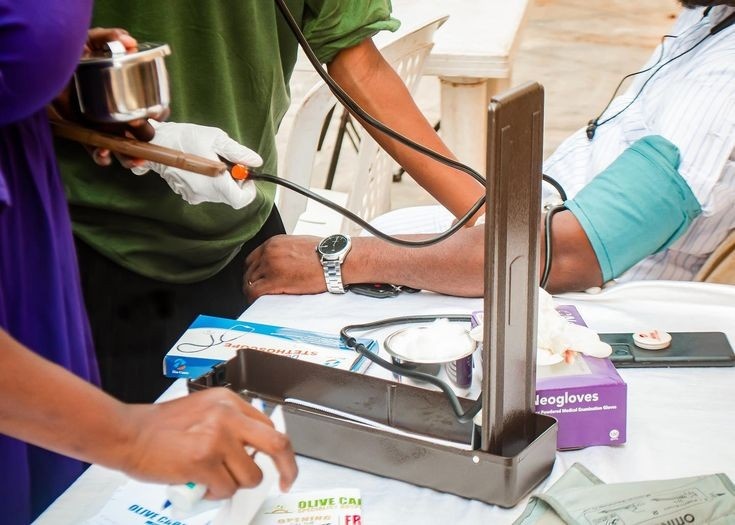
Community health screenings in Nigeria address this directly by bringing testing to where people live rather than expecting people to travel to where testing is available. Mobile screening events held at markets, churches, mosques, community halls, and schools reach populations that would never self-present at a health facility for preventive care.
Which Conditions to Prioritise in Community Health Screenings in Nigeria
The most impactful community health screenings in Nigeria focus on conditions with high prevalence, available treatment, and demonstrated benefit from early detection. Blood pressure measurement for hypertension is the single most valuable screening intervention available — requiring only a sphygmomanometer, basic training, and clear referral pathways.
Blood glucose testing for diabetes, haemoglobin testing for anaemia, visual acuity testing for refractive errors, malnutrition assessment in children under five using mid-upper arm circumference measurement, and tuberculosis symptom screening are all high-impact, low-cost screening activities that trained community health workers can deliver safely and effectively without specialist equipment.
How to Organise an Effective Community Health Screening Day in Nigeria
Effective community health screenings in Nigeria require three months of preparation for every one day of screening delivery. Community mobilisation — working with religious leaders, market leaders, women’s groups, and youth organisations to communicate the value and logistics of the screening event — determines attendance more than any other factor.
Training volunteer screeners using standardised protocols ensures consistent, safe, and reliable results. Establishing clear referral pathways — knowing exactly where to send someone who screens positive, including which facility, which clinician, and how to access affordable treatment — is essential. Without functioning referrals, screening creates anxiety without benefit. Post-screening follow-up, conducted by trained community health workers visiting households of those referred, dramatically increases the proportion of positive cases that actually reach treatment.
Using Technology to Improve Community Health Screening Outcomes in Nigeria
Digital tools are significantly improving the effectiveness of community health screenings in Nigeria. Mobile data collection using apps like KoboToolbox allows screeners to record results instantly, create automatic alerts for critical findings, and generate aggregated reports for local health authorities within hours of a screening event.
SMS-based follow-up systems send appointment reminders to patients referred for further assessment. Digital registers maintain screening histories so that repeat events can track individual and community-level changes over time. Some programmes are using WhatsApp to share health education content with participants in the days following a screening event — capitalising on the raised health awareness that the screening experience creates.
Building a Sustainable Community Health Screening Programme
The difference between a one-off community health screening event and a sustainable programme is institutionalisation. Communities that establish a regular screening calendar — quarterly, biannual, or annual — build the expectation, the infrastructure, and the community culture that makes screening a normal part of community life rather than an exceptional event.
Partnerships with state ministry of health departments, teaching hospitals, NGOs, and corporate health responsibility can provide the consumables, equipment, and specialist support that communities cannot fund independently. Community health screening champions — trained, respected community members who advocate year-round for preventive health — sustain momentum between events and ensure that newly identified health risks are tracked through to resolution.