
Practical Steps Communities Can Take to Set Up Functional Science Corners in Local Schools in Nigeria.
Rethinking What a Science Corner Really Is
A functional science corner in a Nigerian community school does not require a fully equipped laboratory. Its effectiveness is not defined by expensive infrastructure but by intention, structure, and consistent use.
At its core, a science corner is simply a dedicated, organized space where children can interact with physical materials, conduct simple experiments, record observations, and discuss findings with a teacher who encourages curiosity. This space can exist within a classroom corner, a shaded outdoor area, or a small dedicated room.
What matters most is not the scale of the setup, but its regular use as a tool for practical learning.
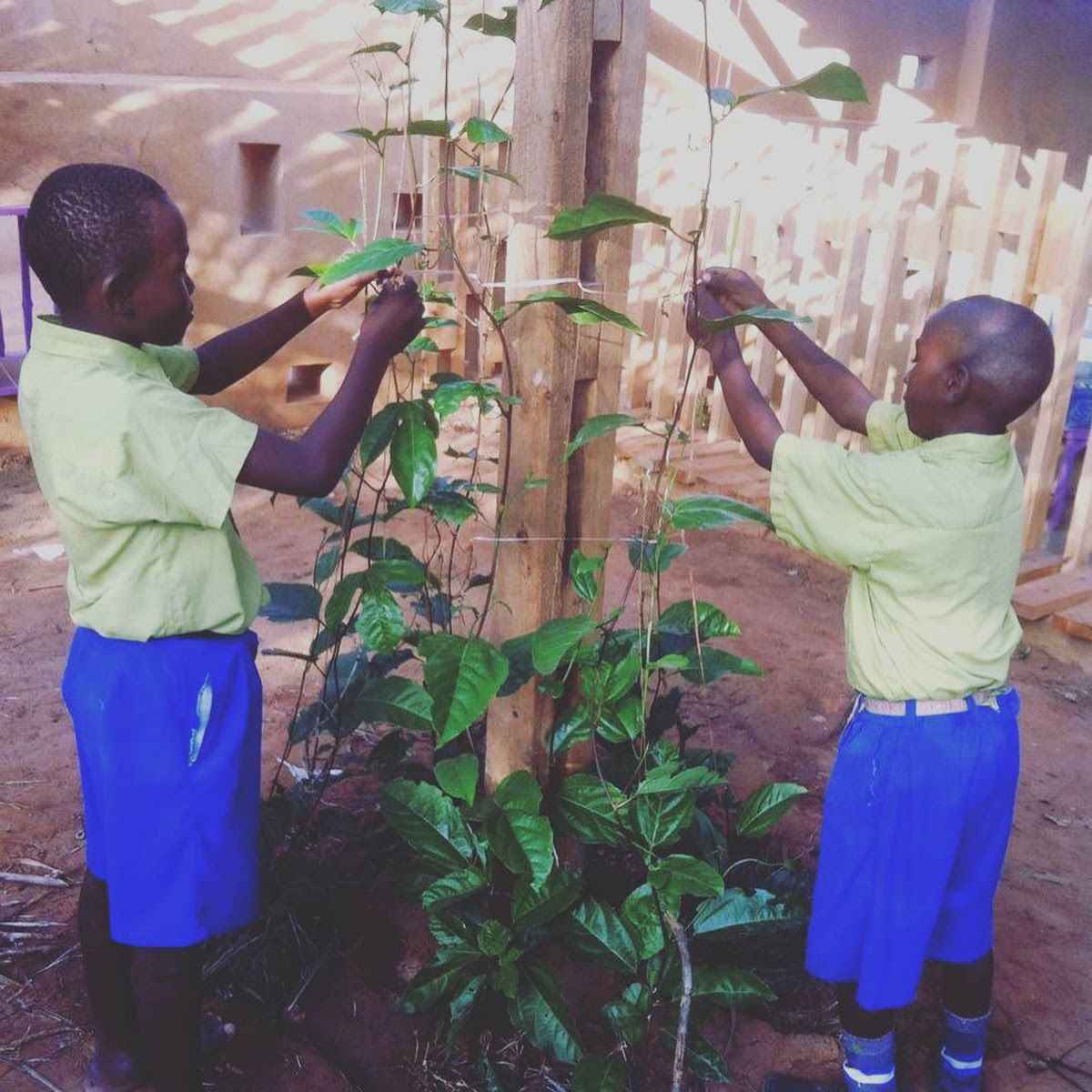
Building Science Learning With Locally Available Materials
One of the most important advantages of science corners in Nigeria is that they can be built using inexpensive, locally available materials. Effective science learning does not depend on imported equipment, but on creative use of accessible resources.
Basic materials can include:
- Magnifying glasses for observation activities
- Measuring cylinders and beakers for simple experiments
- Balances for measuring mass
- Seeds, soil, and small containers for biology experiments
- Household materials such as vinegar, baking soda, and food colouring for basic chemistry
- Simple litmus indicators for testing acidity and alkalinity
- A locally made weather station including a rain gauge, thermometer, and wind vane
- Collections of rocks, soil, and minerals from the local environment
- A basic microscope to introduce students to the microbial world
When organized properly, these materials allow students to move beyond theory and engage directly with scientific concepts through experience.
The Role of Community Support and Funding
Sustainable science corners are often built through community effort rather than institutional funding alone.
Community fundraising plays a critical role in making these spaces possible. However, the most effective fundraising efforts are not general appeals but clearly defined, purpose-driven initiatives. When communities are told exactly what materials are needed, their cost, and the specific learning outcomes they will support, participation tends to increase significantly.
Local businesses, market associations, religious institutions, and diaspora communities can all contribute meaningfully when the vision is clear and tangible. In this way, science corners become not just educational spaces but shared community projects.
Teachers as the Core of Effective Science Corners
While materials are important, teacher readiness ultimately determines whether a science corner succeeds.
A well-equipped space will remain underused if teachers lack confidence in practical science instruction or feel uncomfortable managing hands-on, exploratory learning environments. For this reason, teacher preparation is just as important as equipment provision.
Short, practical training sessions focused on specific classroom activities are often more effective than broad theoretical workshops. When teachers are shown how to conduct simple experiments and immediately apply them in class, their confidence grows and usage becomes more consistent.
Making Science Learning a Daily Practice
The most effective science corners are not occasional learning stations. They are integrated into daily classroom teaching.
When practical science becomes part of the regular timetable rather than a special event, students develop essential scientific habits such as observation, measurement, experimentation, and inquiry. Over time, these habits shape how children understand and interact with the world.
Consistency is key. Science corners only achieve their full impact when they are used regularly, not sporadically.
Community Accountability and Long-Term Success
Long-term success depends on community involvement beyond initial setup.
When parents, community leaders, and local stakeholders regularly visit schools, observe science lessons, and celebrate effective teaching, they create a culture of accountability. This encourages teachers to maintain consistent use of science corners and ensures that the resources invested continue to deliver value.
In this way, science corners become more than educational tools. They become symbols of community commitment to learning, curiosity, and future development.
Conclusion
Science corners represent a practical and achievable way to improve science education in Nigerian community schools. They require not expensive infrastructure, but collaboration, creativity, and consistency.
When communities, teachers, and schools work together, even the simplest materials can become powerful tools for scientific discovery and lifelong learning.
