
The Lifelong Impact of Missing Identity
In Nigeria, the consequences of failed birth registration extend far beyond childhood. A child whose birth is not officially recorded begins life without legal identity — a disadvantage that follows them into adulthood and limits access to essential services.
Without birth registration, children may be unable to enroll in formal primary education, obtain a National Identification Number, open bank accounts, secure passports, or participate fully in government social protection programmes. In effect, they become invisible to many of the systems designed to serve them.
In communities where registration rates are low, this invisibility does not affect individuals alone — it becomes intergenerational, reinforcing cycles of exclusion and limited opportunity.
The Rise of Digital Birth Registration in Nigeria
To address these gaps, Nigeria is increasingly adopting digital approaches to birth registration through coordinated national and state-level initiatives.
The National Population Commission (NPC), responsible for civil registration, has introduced mobile registration units that travel directly to underserved communities. These units are equipped with digital tools that allow birth records to be captured and uploaded in real time, reducing the need for families to travel long distances to registration offices.
At the same time, several state governments — including Lagos, Kaduna, and Rivers — have developed digital registration systems that connect health facilities directly to civil registration databases. This allows many births to be registered at the point of delivery, particularly in facilities where digital infrastructure is available.
These innovations are gradually reducing barriers that have historically excluded rural and low-income communities from formal identity systems.
The Critical Role of Community Networks
Despite technological improvements, the success of birth registration programmes in Nigeria continues to depend heavily on community participation.
In many areas, the primary barrier is not awareness of the importance of registration, but the complexity of the process and lack of support in navigating it. This is where community health workers, local leaders, and trained volunteers play a decisive role.
Community-based champions help families understand registration requirements, complete necessary documentation, and, where needed, accompany them to registration points. In communities where registration rates have improved significantly, these human support systems have often been the most influential factor.
Digital systems expand capacity, but community networks ensure access.
Mobile Registration Campaigns and Local Engagement
Mobile birth registration campaigns have also proven effective in increasing coverage across underserved regions.
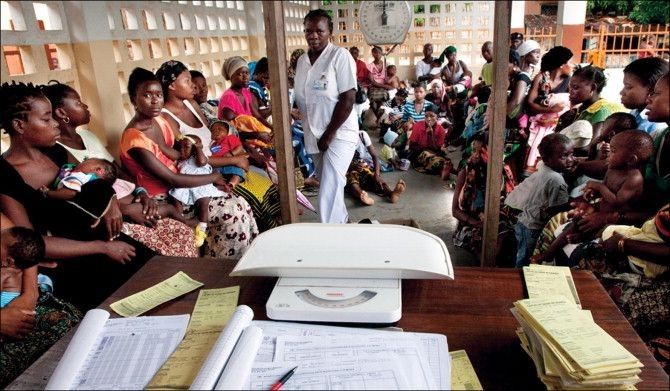
In these campaigns, registration teams temporarily set up operations in schools, health centres, and community halls, allowing families to register children without traveling long distances. When these efforts are sustained and well-coordinated, they often lead to significant short-term increases in registration rates.
However, their success is strongly linked to community mobilisation. Religious leaders, traditional rulers, and community associations play a key role in informing residents about registration dates and encouraging participation in ways that align with local trust structures.
Where mobilisation is strong, uptake is consistently higher.
Turning Data Into Advocacy and Action
Improving birth registration coverage requires more than service delivery — it requires sustained advocacy and accountability.
Communities that actively track and understand their registration rates are better positioned to demand services from local and state authorities. Data from institutions such as UNICEF Nigeria and the National Population Commission provides an evidence base that communities can use to advocate for improved access, mobile registration support, and expanded digital infrastructure.
When communities treat birth registration as a development priority rather than an administrative task, they are more likely to attract government attention and development partner support.
Conclusion: Identity as the Gateway to Opportunity
Digital birth registration is more than a technical reform. It is a foundational step in ensuring that every child in Nigeria is visible to the systems that shape their future.
By combining digital infrastructure with community-based support, Nigeria is gradually closing long-standing gaps in civil registration coverage. But sustained progress depends on continued collaboration between government agencies, community leaders, and local families.
At its core, birth registration is not only about records — it is about access. And access to identity is the first step toward access to education, services, and opportunity.
