
Introduction
Artificial intelligence (AI) is transforming healthcare communication across Nigeria by making reliable health information more accessible to people in the languages they understand best. While English remains the country’s official language, millions of Nigerians communicate primarily in Hausa, Yoruba, Igbo, Nigerian Pidgin, and hundreds of other indigenous languages. Delivering health information in these languages improves understanding, encourages healthier behaviours, and helps bridge communication gaps between healthcare providers and communities.
AI-powered chatbots are emerging as valuable tools that provide instant health information, answer common questions, and support community health education in local languages. Although these systems cannot replace healthcare professionals, they can significantly improve access to trusted health information, particularly in underserved communities.
Why Local Language AI Health Chatbots Matter
Language remains one of the biggest barriers to effective health education in many Nigerian communities. Health advice delivered in a person’s first language is easier to understand, remember, and apply than information presented in a second language.
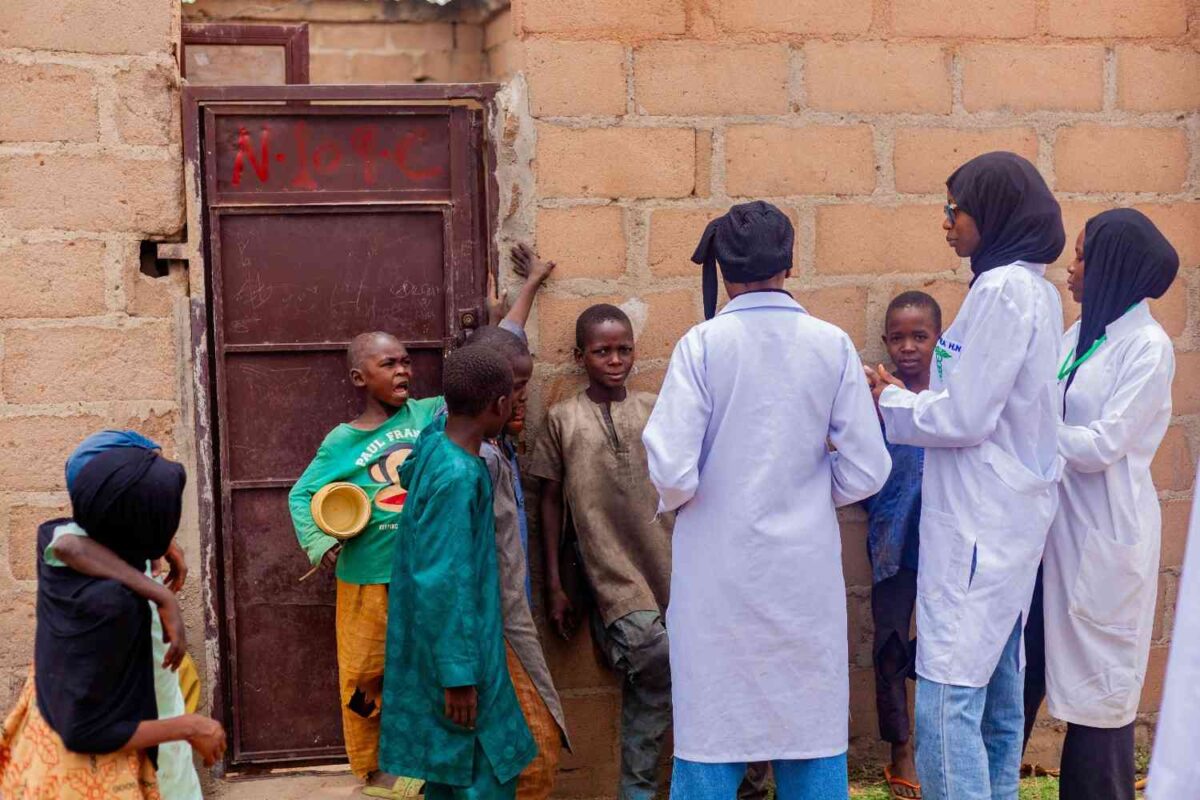
Many rural residents, older adults, and individuals with limited formal education are more comfortable communicating in indigenous languages or Nigerian Pidgin. AI chatbots capable of understanding and responding in these languages make health education more inclusive and accessible.
Unlike traditional translation methods that require considerable time and resources, AI language models can generate responses in multiple Nigerian languages almost instantly. This makes it possible to provide health education to large populations while reducing costs and expanding coverage.
How AI Health Chatbots Are Being Used in Nigeria
Healthcare organisations are exploring several ways to deploy AI chatbots to improve public access to health information.
One of the most common approaches is through WhatsApp, a messaging platform already used by millions of Nigerians. AI-powered chatbots integrated into WhatsApp allow users to ask questions through text or voice messages and receive responses in their preferred language without downloading additional applications.
These chatbots provide information on common illnesses, disease prevention, maternal and child health, nutrition, immunisation schedules, medication guidance, and locations of nearby healthcare facilities.
Healthcare institutions and public health organisations are also developing AI systems that assist patients with appointment scheduling, health reminders, symptom education, and navigation of healthcare services using smartphones.
Another growing application involves supporting community health workers. AI assistants can provide quick access to treatment guidelines, health education materials, referral protocols, and health promotion resources, helping frontline workers deliver more consistent information during community outreach.
Supporting Community Health Workers with AI
Community health workers remain essential to Nigeria’s healthcare system, particularly in rural and underserved areas. AI chatbots are designed to complement—not replace—their expertise.
These tools can quickly explain disease prevention measures, summarise national health guidelines, provide educational materials, and answer routine questions that arise during community engagements.
However, community health workers must understand the limitations of AI. Chatbots should only be used to provide general health information and should never replace professional medical assessment, diagnosis, or treatment decisions.
Health workers should always verify AI-generated information against official Nigerian health guidelines and refer patients to qualified healthcare professionals whenever symptoms require clinical evaluation.
Expanding AI Support for Nigerian Languages
Advances in artificial intelligence are making it possible to develop increasingly accurate health chatbots in Nigerian languages.
Hausa has received significant attention because of its large number of speakers across northern Nigeria and neighbouring countries. AI systems supporting Yoruba, Igbo, and Nigerian Pidgin are also improving rapidly as researchers, universities, and technology organisations continue developing language resources.
African research communities such as Masakhane are helping improve natural language processing for African languages, creating stronger foundations for AI applications that understand local expressions, cultural contexts, and communication styles.
As language technology continues to advance, more Nigerians will be able to access reliable health information in the languages they use every day.
Ensuring Safety and Accuracy
The success of AI health chatbots depends on the quality and reliability of the information they provide.
Health chatbots should be developed in collaboration with Nigerian healthcare professionals, public health experts, and government health agencies to ensure responses align with national treatment guidelines and evidence-based medical practices.
Users should also understand that AI systems provide general educational information rather than personalised medical advice. Chatbots cannot perform physical examinations, interpret every symptom accurately, or replace healthcare professionals in emergency situations.
Whenever users experience severe symptoms, persistent illness, or medical emergencies, they should seek immediate care from qualified healthcare providers rather than relying solely on AI-generated responses.
Benefits for Nigerian Communities
When implemented responsibly, AI health chatbots offer numerous benefits to Nigerian communities.
They improve access to reliable health information twenty-four hours a day, reduce language barriers, support community health education, encourage preventive healthcare, and extend the reach of limited healthcare personnel.
They can also help combat misinformation by providing consistent, evidence-based responses to common health questions while supporting awareness campaigns on malaria prevention, immunisation, maternal health, nutrition, mental health, and infectious disease control.
For communities with limited access to healthcare facilities, AI chatbots provide an additional source of trustworthy information that empowers individuals to make better health decisions.
The Future of AI-Powered Community Health Education
The future of AI in Nigerian healthcare lies in combining technology with human expertise. Community health workers, primary healthcare centres, educational institutions, technology companies, and government agencies can work together to develop AI systems that are culturally appropriate, linguistically inclusive, and medically accurate.
As digital literacy and internet access continue to expand, AI chatbots have the potential to become valuable tools for promoting healthier communities, improving public health awareness, and supporting frontline healthcare services across Nigeria.
Conclusion
AI chatbots are making health information more accessible by delivering trusted guidance in Nigerian languages that communities understand and use daily. Through platforms such as WhatsApp and other mobile services, these tools are helping bridge communication gaps, strengthen community health education, and support healthcare workers.
While AI should never replace qualified medical professionals, it can serve as a powerful complement to Nigeria’s healthcare system when built on accurate medical knowledge, local language support, and responsible oversight. By combining artificial intelligence with community-based healthcare, Nigeria can improve access to health information and strengthen public health outcomes for millions of people.
