
Introduction
Community events provide one of the most effective opportunities to promote public health in Nigeria. Religious gatherings, market days, youth meetings, traditional festivals, women’s association meetings, cooperative society gatherings, and community development forums regularly bring together large numbers of people who trust local leaders and are willing to listen to important messages.
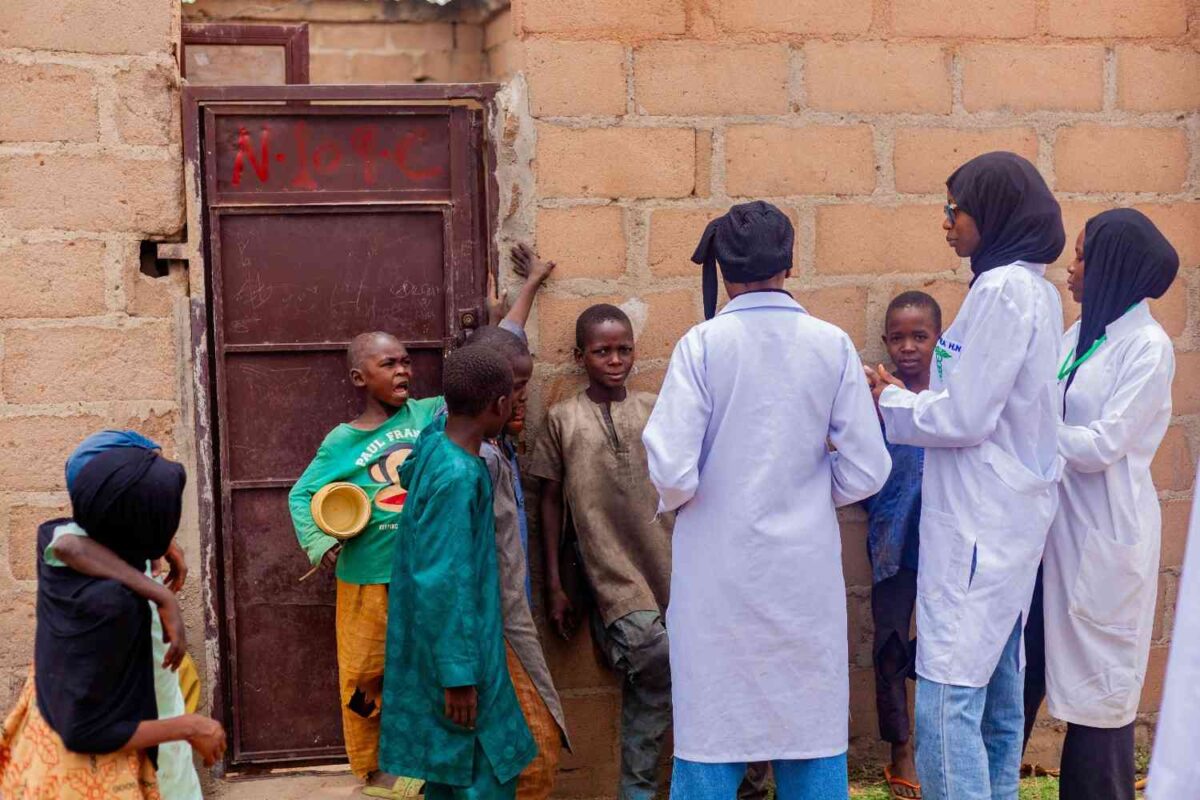
Rather than organising separate health campaigns that require significant time and financial resources, integrating short, practical health education sessions into existing community events allows health information to reach more people consistently. This approach strengthens disease prevention, encourages healthy behaviours, and improves access to healthcare services across Nigerian communities.
Why Community Event Integration Works
The greatest challenge facing community health education is not the availability of accurate health information—it is reaching people consistently in environments where they are already engaged.
Community events solve this challenge by providing ready-made platforms where people gather voluntarily. A five-minute health talk delivered during a church service, mosque gathering, market association meeting, or village assembly can educate hundreds of people without organising an entirely new event.
Community leaders also play an important role in increasing trust. Messages delivered or endorsed by pastors, imams, traditional rulers, youth leaders, women’s leaders, and respected elders are often more readily accepted than information delivered by unfamiliar outsiders.
Integrating health education into regular community activities also makes health promotion a continuous process rather than an occasional campaign.
Selecting the Most Relevant Health Topics
Health education should address the diseases and health challenges most common within each community. Instead of attempting to cover many subjects at once, organisers should focus on one clear, practical message during each event.
Important topics include:
- Malaria prevention through proper use of insecticide-treated mosquito nets.
- Hypertension awareness and regular blood pressure screening.
- Diabetes prevention and healthy lifestyle choices.
- Maternal and child healthcare.
- Immunisation awareness for children and adults.
- Nutrition and breastfeeding education.
- Safe drinking water and sanitation practices.
- Mental health awareness and emotional wellbeing.
- First aid and emergency response.
- Prevention of cholera and other waterborne diseases.
Tailoring health messages to the audience increases their impact. Women’s groups may benefit most from discussions on maternal health and nutrition, while youth gatherings provide opportunities to discuss reproductive health, mental wellness, substance abuse prevention, and healthy lifestyles.
Keeping Health Messages Short and Practical
Community events are organised for many different purposes, so health education should complement—not dominate—the programme.
Short presentations lasting between three and five minutes are often the most effective. Every message should be simple, action-oriented, and easy to remember.
For example, rather than delivering a lengthy lecture on hypertension, a health educator might encourage participants to check their blood pressure before leaving the event if screening is available. During malaria season, a reminder to sleep under mosquito nets every night can reinforce life-saving habits without requiring a long presentation.
Practical demonstrations, simple storytelling, and real-life examples help audiences understand and remember key messages.
Empowering Community Leaders as Health Educators
One of the most sustainable approaches is equipping community leaders to deliver basic health education themselves.
Pastors, imams, traditional rulers, market association executives, youth leaders, teachers, and women leaders interact with community members regularly and possess established trust.
Short training workshops organised by primary healthcare centres can provide these leaders with accurate health information, communication skills, and educational materials they can use during meetings and public events.
Community health workers should maintain regular contact with these leaders by sharing updated health information, supporting awareness campaigns, and recognising leaders who actively promote healthy practices within their communities.
Using Technology to Strengthen Health Education
Technology makes community health education more engaging and accessible.
Short educational videos can demonstrate proper handwashing, mosquito net installation, breastfeeding techniques, blood pressure measurement, or diabetes management during community meetings.
Audio messages recorded in local languages can be played through public address systems during market days, community celebrations, and village meetings, ensuring that even individuals who cannot read receive important health information.
Simple digital tools such as QR codes printed on flyers or event programmes can direct participants to trusted health resources, educational videos, and government health information using their smartphones.
Social media platforms and community WhatsApp groups can also reinforce messages after events by sharing reminders, health tips, and announcements about upcoming screening or vaccination programmes.
Building Health Education Into Community Culture
The long-term goal should be to make health education a normal part of every community gathering rather than an occasional activity.
Community organisations can establish a tradition of including a brief health segment in every major event. Religious institutions can dedicate a few minutes during weekly services to health awareness. Market associations can include health announcements before meetings begin. Schools, youth clubs, and cooperative societies can regularly invite community health workers to provide practical advice.
As health education becomes routine, healthy behaviours become part of everyday community life rather than temporary campaign activities.
Measuring Community Impact
Evaluating the success of integrated health education helps communities improve future programmes and demonstrate measurable results.
Useful indicators include:
- Increased blood pressure and diabetes screening.
- Higher childhood immunisation rates.
- Greater use of insecticide-treated mosquito nets.
- Improved antenatal care attendance.
- Better handwashing and sanitation practices.
- Reduced malaria and waterborne disease cases.
- Increased participation in community health outreach programmes.
Collecting community feedback, monitoring health facility attendance, and documenting success stories provide valuable evidence that integrated health education is improving public health outcomes.
Conclusion
Integrating health education into community events is one of the most practical, affordable, and sustainable strategies for improving public health in Nigerian towns. By delivering short, relevant, and culturally appropriate health messages through trusted community leaders, health workers can reach larger audiences without creating separate programmes.
As more communities embrace this approach, health promotion becomes part of everyday life, leading to healthier families, stronger communities, improved disease prevention, and better health outcomes across Nigeria.
