
Introduction
Nigeria’s future in science, technology, engineering, and mathematics (STEM) depends not only on classroom education but also on the support children receive from their communities. While schools introduce scientific concepts, sustained interest in STEM often develops when children encounter adults who encourage curiosity, celebrate learning, and demonstrate how science applies to everyday life.
Community Science Champions play a vital role in building this supportive environment. These are trusted individuals who inspire children, promote scientific thinking, and connect young learners with opportunities beyond the classroom. By fostering a culture where science is valued and celebrated, they help ensure that children’s interest in STEM continues long after school lessons end.
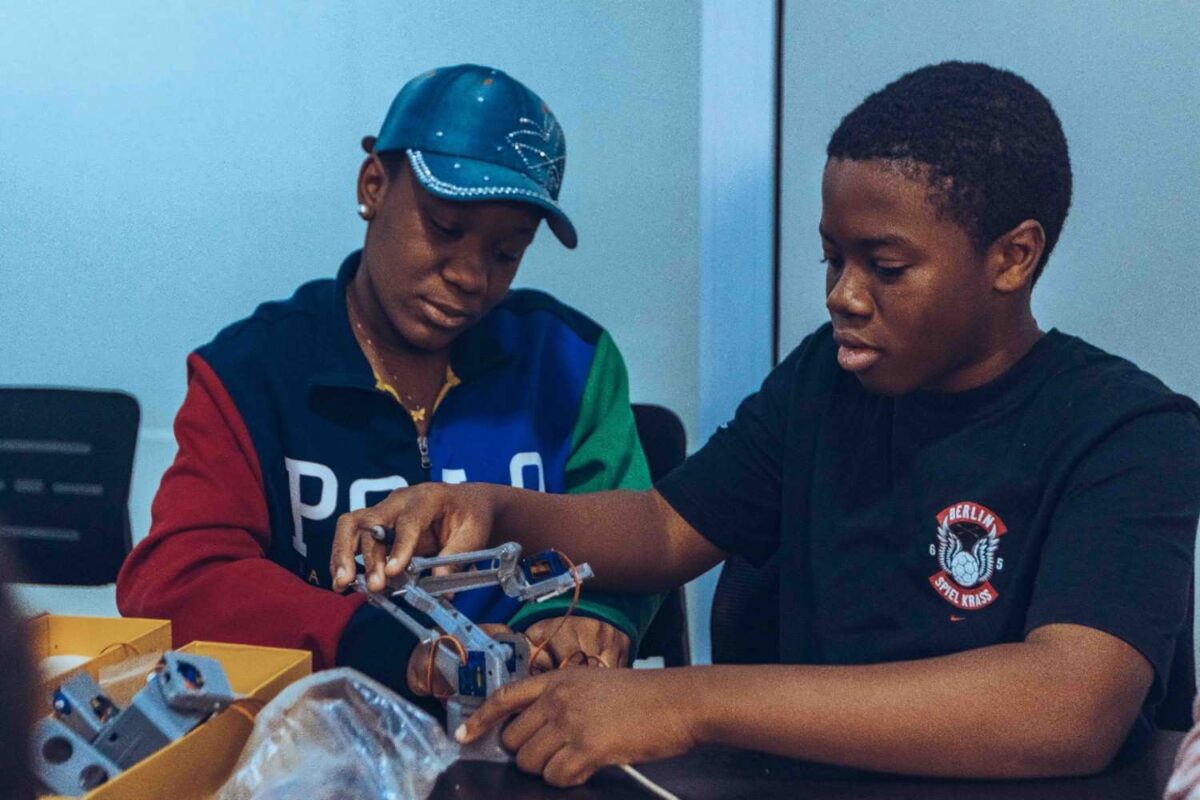
Who Are Community Science Champions?
A Community Science Champion is any respected community member who actively encourages children’s interest in science and technology. They may be teachers, healthcare professionals, engineers, researchers, university lecturers, entrepreneurs, artisans with technical expertise, retired professionals, or simply individuals with a passion for science education.
Unlike formal mentors assigned to specific students, Community Science Champions work with the wider community. They encourage scientific curiosity wherever opportunities arise, organise informal learning activities, celebrate students’ achievements, and make STEM a visible part of everyday community life.
Because they already have trusted relationships within their communities, these champions can influence children and families without requiring expensive new institutions or complex programmes.
Why Community Science Champions Matter
Children are more likely to remain interested in STEM when they regularly interact with adults who value science and encourage exploration.
A pastor who congratulates students for winning science competitions, a market leader who asks children about their science projects, or a retired engineer who explains how bridges are built all contribute to creating a community culture that values scientific learning.
These everyday interactions help children see science as relevant, achievable, and connected to real careers and community development. They also encourage parents to support their children’s educational aspirations, creating stronger foundations for long-term STEM engagement.
Identifying and Developing Science Champions
Every community has individuals who possess the qualities needed to become effective science champions. The most suitable candidates usually combine three important characteristics:
- A genuine interest in science, technology, or innovation.
- Respect and trust within the community.
- A willingness to support children’s learning over time.
Many potential champions may not realise the impact they can have until they are invited to participate. Short orientation programmes can introduce them to practical ways of encouraging STEM education.
Training sessions can include age-appropriate science activities, communication skills, information about STEM careers, available educational resources, and guidance on supporting children with different learning needs.
Providing simple educational materials and connecting champions with schools and science organisations further strengthens their effectiveness.
Practical Activities Science Champions Can Lead
Community Science Champions do not need expensive laboratories or advanced equipment to inspire young learners. Many valuable STEM activities can be organised using locally available resources.
Regular science question-and-answer sessions during community meetings encourage curiosity and critical thinking. Children can ask questions about nature, technology, health, or the environment while champions provide clear and engaging explanations.
Science reading corners established in churches, mosques, community libraries, youth centres, or schools give children access to books, magazines, and educational materials that stimulate continued learning outside the classroom.
Nature walks provide excellent opportunities to discuss plants, insects, weather, soil, water, and ecosystems while helping children understand scientific concepts through direct observation.
Simple hands-on experiments using everyday household materials also make science enjoyable and accessible while demonstrating that learning does not always require sophisticated equipment.
Connecting Children With STEM Opportunities
One of the greatest contributions Community Science Champions make is helping children discover opportunities they might otherwise never encounter.
Many scholarships, science competitions, coding camps, robotics workshops, innovation challenges, university outreach programmes, and STEM scholarships receive limited publicity in rural and underserved communities.
Science champions who maintain relationships with universities, research institutions, technology hubs, science associations, and educational organisations can identify these opportunities and help children prepare strong applications.
They can also guide parents through application processes, encourage participation, and celebrate children’s achievements, increasing confidence and motivation.
Building Community Partnerships for STEM Development
Community Science Champions are most effective when they collaborate with schools, local governments, non-governmental organisations, universities, and technology companies.
Schools can provide venues for science clubs and exhibitions, while universities can organise outreach programmes that introduce children to laboratories and scientific research.
Technology organisations can contribute educational materials, mentorship, digital learning platforms, and innovation competitions that broaden children’s exposure to STEM careers.
Digital learning communities such as SINNTS can further strengthen these efforts by connecting children, teachers, mentors, professionals, and innovators through online learning, collaboration, educational resources, and community engagement. Such platforms help extend STEM learning beyond physical classrooms and encourage continuous participation.
Building a National Network of Community Science Champions
Connecting Community Science Champions across Nigeria creates opportunities for collaboration, knowledge sharing, and continuous improvement.
Through online communities, regional workshops, annual conferences, and digital resource libraries, champions can exchange successful teaching approaches, organise joint activities, and inspire one another.
Professional organisations, educational institutions, science associations, and government agencies can support this network by providing training materials, mentorship, recognition programmes, and funding opportunities.
A coordinated national network would strengthen STEM education across Nigeria while encouraging more communities to establish their own science support systems.
Conclusion
Community Science Champions play an essential role in sustaining children’s interest in STEM by creating environments where curiosity is encouraged, scientific achievement is celebrated, and learning extends beyond the classroom.
By identifying dedicated community leaders, providing practical training, organising accessible STEM activities, connecting children with educational opportunities, and building collaborative networks, Nigerian communities can nurture the next generation of scientists, engineers, innovators, and technology leaders.
Investing in Community Science Champions is an investment in Nigeria’s future. As more communities embrace this model, the country will build a stronger scientific culture capable of driving innovation, economic growth, and sustainable national development for generations to come.
