
The Economic and Environmental Case for Community Recycling in Nigeria
Recycling in Nigerian communities makes both environmental and economic sense in ways that are immediately compelling to community leaders and members who understand the opportunity.
The informal recycling economy—the network of waste pickers, aggregators, and recyclers who currently collect and process recyclable materials from Nigerian communities—demonstrates that recyclable waste has genuine market value. The challenge for most Nigerian communities is not the absence of market demand but the absence of the organisation, information, and technology needed to participate in that market at community scale.
Plastics, metals, paper, cardboard, glass, and electronic waste are all purchased by formal and informal recyclers in Nigerian markets at prices that vary by material type, condition, and quantity.
Community recycling initiatives that aggregate recyclable materials from households and community facilities, sort them to the quality standards that recyclers require, and present them in the volumes that attract competitive pricing are generating income that validates waste segregation as an economically rational community activity.
Technology Tools for Community Waste Segregation and Collection in Nigeria
Technology tools that support community waste segregation and collection in Nigeria range from simple digital communication tools to more sophisticated tracking systems.
WhatsApp-based recycling coordination networks—where community recycling coordinators communicate collection schedules, material acceptance criteria, and pricing information to participating households—create the information infrastructure that makes household waste segregation worthwhile.
Households that know when their recyclables will be collected and what they will receive for them have a concrete economic incentive to segregate waste that generic recycling promotion cannot provide.
Simple digital weighing and recording systems—using smartphone apps to record the weight and type of recyclable materials received from each household or collection point—create the transaction records that enable fair payment to households, accurate reporting to programme funders, and data-driven optimisation of collection routes and schedules.
QR code-based household registration systems allow community recycling programmes to track participation rates and material volumes by household and identify the most and least engaged community members.
Organic Waste and Composting Technology for Nigerian Communities
Organic waste—the food scraps, agricultural residues, and garden waste that constitute the majority of Nigerian household waste by weight—represents the recycling opportunity with the highest community development co-benefit.
Converting organic waste to compost rather than landfill or burning creates a soil amendment with genuine agricultural value—reducing fertiliser costs for community farmers, improving soil health and water retention, and contributing to food security in communities with garden or agricultural land.
Low-cost composting technology—including simple compost bins made from repurposed containers, woven baskets, or locally available materials—makes household and community composting accessible without any capital investment.
Community composting sites—larger facilities managed by community organisations that aggregate organic waste from multiple households—can produce compost at volumes sufficient for commercial sale to farmers, creating revenue that covers programme costs.
Digital monitoring tools for community composting—tracking temperature, moisture, and turning schedules through simple apps—optimise the composting process and improve the quality and consistency of the final product.
Plastic Recycling Initiatives in Nigerian Communities
Plastic recycling is the community waste management activity with the greatest market opportunity and the greatest environmental co-benefit in Nigerian communities, given Nigeria’s severe plastic pollution crisis and the existence of a functioning plastic recycling industry that is actively seeking material supply.
Community plastic collection initiatives—organising systematic collection of PET bottles, HDPE containers, and other recyclable plastics from households and community areas—can connect directly with formal recycling companies that purchase sorted plastic waste.
Technology tools that support community plastic recycling include reverse vending machines—automated collection points that accept plastic bottles and provide digital credits or small cash payments in return—which have been piloted in several Nigerian cities and are being considered for wider community deployment.
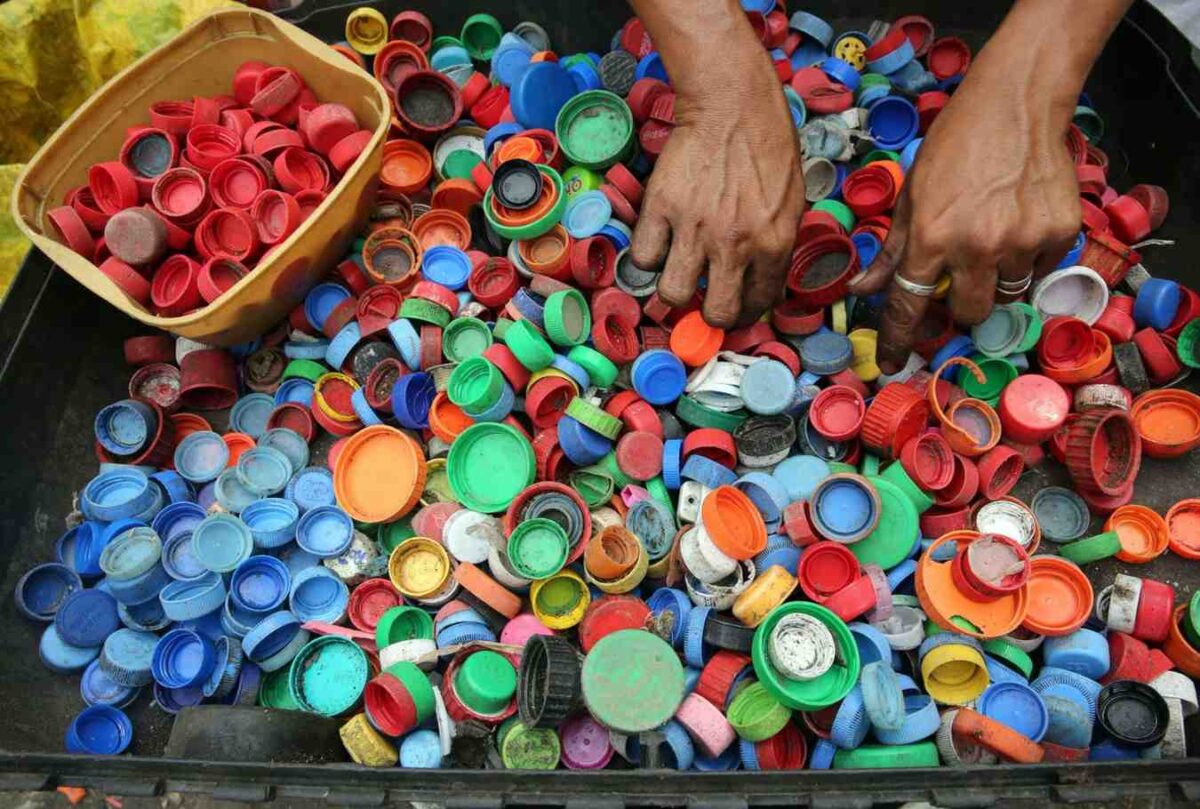
Mobile collection apps that allow households to schedule plastic waste pickups and track their collection and payment histories create the convenience and transparency that drive sustained household participation in plastic recycling programmes.
Electronic Waste Recycling and Community Technology in Nigeria
Electronic waste—discarded mobile phones, laptops, batteries, cables, and other electronic devices—is the fastest-growing waste stream in Nigeria and one of the most hazardous if improperly disposed of, but also one of the most valuable per kilogram of recyclable material content.
Community e-waste collection initiatives—organising periodic collection events that gather discarded electronic devices from households and businesses—create the material volumes that formal e-waste recyclers require for cost-effective collection.
Technology partnerships with Nigerian e-waste recycling companies—including those certified under the Lagos State e-waste programme and similar state initiatives—provide community organisations with the formal collection and recycling infrastructure that ensures collected e-waste is processed safely and responsibly rather than being informally dismantled in ways that release toxic materials.
Community education about the health risks of informal e-waste dismantling—which is a significant occupational and environmental health hazard in Nigerian communities—is an important complement to formal e-waste collection and recycling programmes.
