
Introduction
Maternal and newborn health remains one of Nigeria’s most important public health priorities. Although significant progress has been made in expanding healthcare services, many women in rural communities still deliver their babies outside formal health facilities. Distance, transportation challenges, financial constraints, cultural preferences, and shortages of skilled healthcare professionals continue to influence where and how women give birth.
In many Nigerian villages, Traditional Birth Attendants (TBAs) remain trusted members of their communities. Rather than viewing them as competitors to the formal healthcare system, many public health experts now recognise that properly trained and supervised TBAs can play an important complementary role in improving maternal and newborn health outcomes.
Upskilling Traditional Birth Attendants through continuous education, collaboration, and referral training is helping bridge the gap between communities and healthcare facilities while promoting safer pregnancies and deliveries.
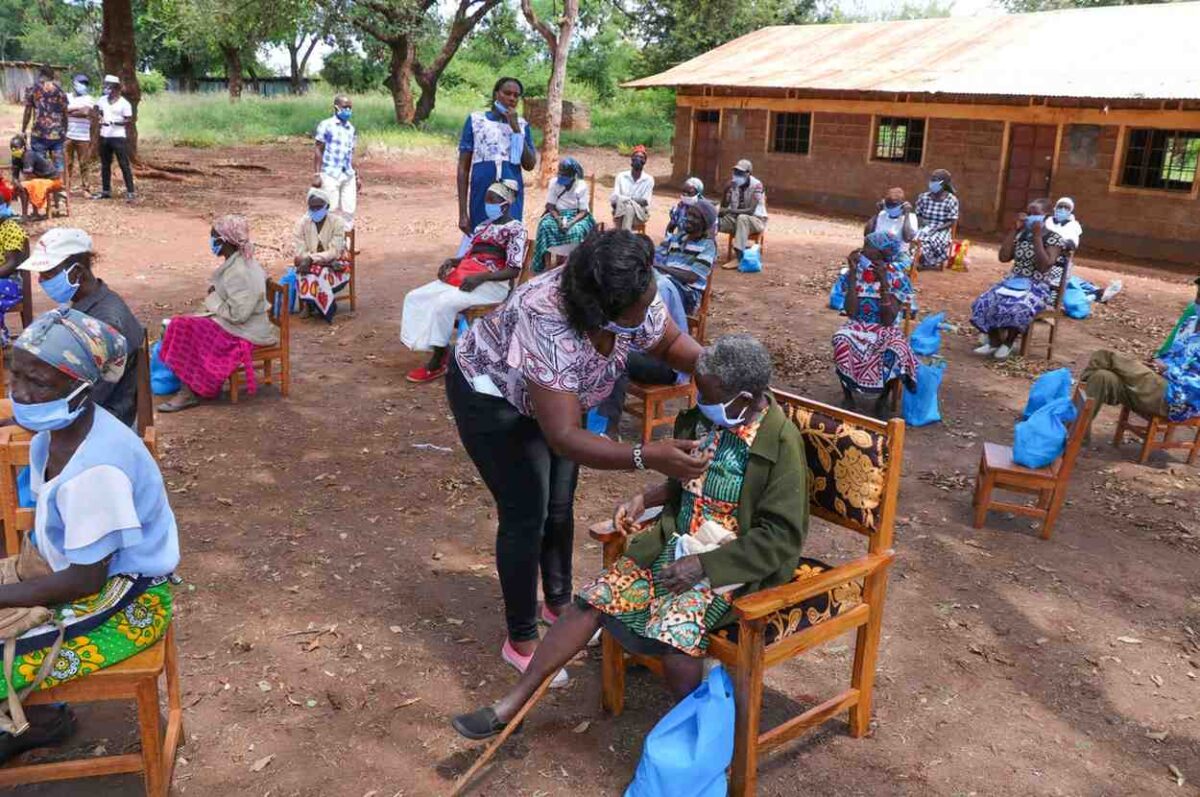
Understanding the Role of Traditional Birth Attendants
Traditional Birth Attendants are community members who have assisted women during pregnancy and childbirth, often for many years.
They are valued because they:
- Understand local traditions.
- Speak local languages.
- Are trusted by families.
- Provide emotional support.
- Are available within the community.
- Offer affordable services.
For many pregnant women, TBAs are often the first point of contact throughout pregnancy.
Why Upskilling Is Important
While TBAs possess valuable community experience, many have historically lacked formal medical training.
Modern maternal healthcare requires knowledge of:
- Infection prevention.
- Safe hygiene practices.
- Early danger sign recognition.
- Emergency referrals.
- Newborn care.
- Maternal nutrition.
- Postnatal monitoring.
Training enables TBAs to combine community trust with evidence-based healthcare practices.
Teaching Safe Delivery Practices
Upskilling programmes introduce TBAs to internationally recognised safe delivery standards.
Training commonly includes:
- Proper hand hygiene.
- Sterile delivery techniques.
- Safe cord care.
- Clean delivery environments.
- Prevention of maternal infections.
- Newborn temperature management.
These practices significantly reduce preventable complications during childbirth.
Recognising Pregnancy Danger Signs
One of the most valuable skills TBAs can learn is identifying when a pregnancy requires urgent medical attention.
Training helps them recognise warning signs such as:
- Severe bleeding.
- High blood pressure symptoms.
- Convulsions.
- Prolonged labour.
- Breech presentation.
- Fever during pregnancy.
- Reduced fetal movement.
- Severe swelling.
Early recognition allows timely referral to healthcare facilities before complications become life-threatening.
Strengthening Referral Systems
Upskilled TBAs become effective partners within the healthcare system rather than working in isolation.
Successful referral systems include:
- Maintaining contact with nearby primary healthcare centres.
- Referring high-risk pregnancies early.
- Helping families arrange transportation.
- Providing referral notes.
- Following up after delivery.
Strong collaboration between TBAs and skilled health professionals improves continuity of care.
Improving Antenatal Care Attendance
TBAs often influence whether pregnant women attend antenatal clinics.
After receiving training, they encourage mothers to:
- Register early for antenatal care.
- Complete recommended clinic visits.
- Receive routine screenings.
- Take prescribed supplements.
- Receive recommended vaccinations.
Regular antenatal care allows healthcare professionals to identify pregnancy complications before labour begins.
Promoting Maternal Nutrition
Good nutrition supports healthy pregnancies and safer deliveries.
TBAs can educate families about:
- Balanced diets.
- Iron-rich foods.
- Folic acid supplementation.
- Hydration.
- Food hygiene.
- Appropriate weight gain during pregnancy.
Nutrition education benefits both mothers and babies.
Supporting Newborn Care
Training extends beyond childbirth itself.
TBAs learn essential newborn care practices including:
- Immediate breastfeeding.
- Keeping babies warm.
- Clean cord care.
- Recognising newborn danger signs.
- Encouraging timely immunisation.
- Supporting exclusive breastfeeding.
Early newborn care has lifelong health benefits.
Community Education and Awareness
Traditional Birth Attendants also serve as health educators within their communities.
They can organise discussions on:
- Birth preparedness.
- Family planning.
- Maternal danger signs.
- Child immunisation.
- Infant nutrition.
- Hygiene practices.
As respected community members, their messages often carry significant influence.
The Role of Digital Learning
Technology is expanding opportunities for continuous learning.
Digital platforms such as SINNTS enable healthcare professionals, community educators, public health practitioners, and trained Traditional Birth Attendants to access educational resources, participate in virtual training sessions, exchange experiences, share best practices, and remain updated on evolving maternal healthcare guidelines.
Digital communities strengthen lifelong learning while connecting rural health workers with wider professional networks.
Building Strong Partnerships
Improving maternal health requires collaboration among:
- Primary healthcare centres.
- Community health workers.
- Traditional Birth Attendants.
- Local governments.
- Faith-based organisations.
- Women’s associations.
- Non-governmental organisations.
- Development partners.
Partnerships ensure that mothers receive coordinated care throughout pregnancy, childbirth, and the postnatal period.
Looking Ahead
Nigeria’s efforts to reduce maternal and newborn mortality depend on strengthening every part of the healthcare system, including trusted community structures. By investing in continuous education, supportive supervision, and effective referral systems, Traditional Birth Attendants can contribute meaningfully to safer pregnancies and healthier communities.
Rather than replacing skilled healthcare providers, trained TBAs help connect families with formal health services while improving awareness, early referrals, and community confidence in maternal healthcare.
Conclusion
Traditional Birth Attendants remain important figures in many rural Nigerian communities. When equipped with modern knowledge, safe delivery practices, and strong links to healthcare facilities, they become valuable partners in improving maternal and newborn health.
Through practical training, community collaboration, and digital learning platforms like SINNTS, Nigeria can strengthen rural maternal healthcare, reduce preventable complications, and ensure that more mothers and babies experience safe, healthy beginnings.
