
The Health Benefits of Community Gardens and How to Start One in Any Nigerian NeighbourhoodWhy Community Gardens Matter for Nutrition in Nigeria
Community gardens are increasingly becoming an important tool for improving nutrition in Nigerian communities. Their impact begins with one simple but powerful outcome: access to fresh, affordable food.
Vegetables such as leafy greens, tomatoes, peppers, okra, garden eggs, and herbs can be grown locally within small shared spaces. For households facing inconsistent market access or fluctuating food prices, community gardens provide a reliable source of nutritious food that helps stabilize household diets.
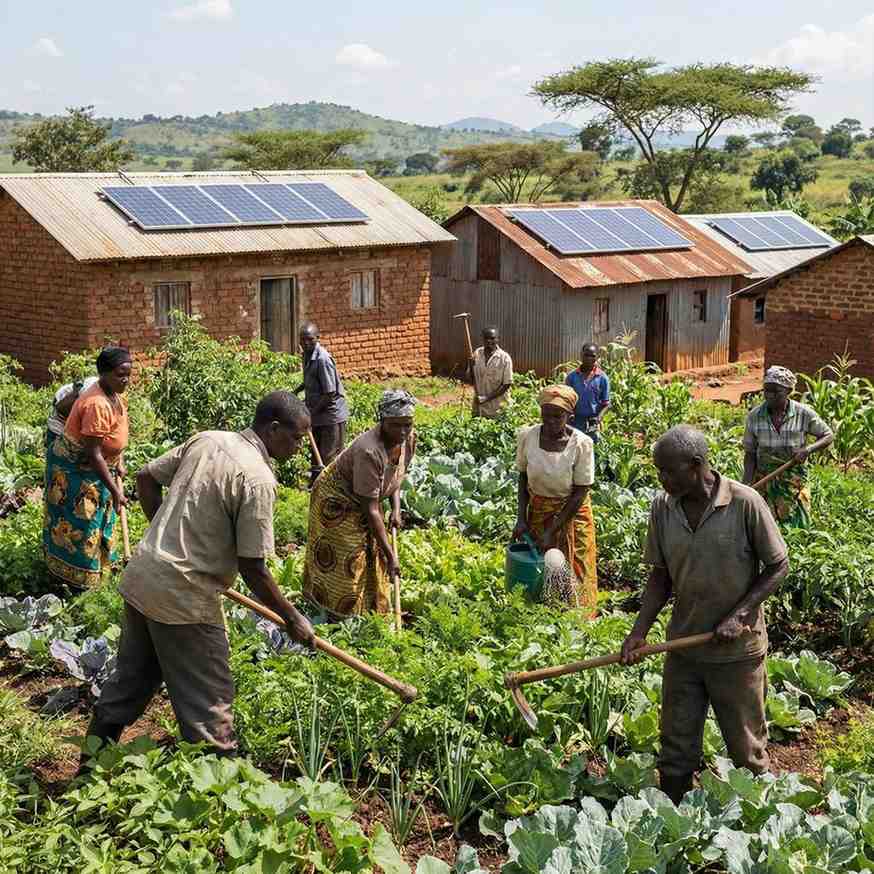
The result is improved dietary diversity and better micronutrient intake, especially among children. Over time, exposure to fresh produce in childhood also helps shape healthier eating habits that can last into adulthood.
Beyond Nutrition: The Mental Health and Social Benefits
The benefits of community gardens extend far beyond physical nutrition.
Research in global public health increasingly shows that gardening contributes to improved mental wellbeing. In the Nigerian context, these benefits are particularly relevant in urban areas where economic pressure, unemployment, and social stress are rising.
Community gardening offers structured physical activity, exposure to green spaces, and a sense of purpose through food production. It also creates opportunities for social interaction, reducing isolation and strengthening community bonds.
For many participants, especially in densely populated neighbourhoods, the garden becomes more than a food source — it becomes a shared space for relaxation, connection, and emotional wellbeing.
Choosing the Right Location for a Community Garden
Starting a community garden begins with one critical decision: selecting an appropriate site.
The ideal location should have access to water, sufficient sunlight, and basic security from animals or theft. It should also be close enough to participating households to ensure regular maintenance and use.
Potential sites in Nigerian communities may include:
- Disused community plots
- School grounds
- Spaces near health centres
- Land surrounding community halls or religious institutions
The key requirement is not formal agricultural land, but accessible and usable space that the community can collectively manage.
Building a Simple and Fair Governance System
The success of a community garden depends heavily on how it is managed.
Effective governance systems are simple, transparent, and based on shared responsibility. One of the most successful models is the allocation of individual plots to participating households. This gives families ownership over their section while still contributing to a collective system.
In addition to individual plots, some areas can be managed jointly for shared benefit. Clear rules around watering schedules, maintenance responsibilities, and conflict resolution help prevent misunderstandings that could undermine the project.
When governance is agreed upon collectively and consistently enforced, community gardens are far more likely to succeed over the long term.
Securing Resources and Initial Support
While community gardens are low-cost, they still require basic startup resources such as seeds, simple tools, fencing, and water storage systems.
These resources can often be sourced through a combination of:
- Community fundraising efforts
- Local government agricultural support programmes
- State agricultural development agencies
- Development organisations and NGOs working in food security
In Nigeria, institutions such as the National Agricultural Land Development Authority (NALDA) and various state agricultural extension services provide support for community-based food production initiatives. Faith-based and international development organisations also contribute to similar programmes across different regions.
With coordinated effort, most communities can mobilize the minimum resources needed to get started.
Building Participation and Long-Term Sustainability
A community garden is only as strong as the people who maintain it.
Successful gardens depend on active participation, shared responsibility, and consistent engagement from community members. Regular involvement helps ensure that the garden remains productive and that benefits are distributed fairly.
Over time, gardens often become self-sustaining ecosystems — not only producing food but also strengthening social ties and improving community resilience.
Conclusion: Growing Food, Strengthening Communities
Community gardens offer a practical and scalable solution to nutrition, health, and social challenges in Nigerian neighbourhoods.
They improve access to fresh food, enhance mental wellbeing, and create spaces for community interaction and cooperation. More importantly, they demonstrate how simple, locally driven initiatives can produce meaningful improvements in everyday life.
With the right site, a fair governance system, basic resources, and committed participants, any Nigerian community can establish a functional garden that supports both health and social wellbeing.
