
Introduction
Community clinics are the first point of contact for healthcare for millions of Nigerians, especially in rural and underserved communities. These facilities diagnose common illnesses, provide maternal and child healthcare, manage chronic diseases, administer immunisations, and refer patients who require specialised treatment.
However, many community clinics operate with limited budgets and cannot afford sophisticated diagnostic equipment. Fortunately, effective primary healthcare does not always require expensive technology. A carefully selected set of affordable screening tools can significantly improve early diagnosis, disease prevention, and patient outcomes.
The World Health Organization (WHO) recommends prioritising practical, essential diagnostic equipment that matches the services provided at primary healthcare facilities and the burden of disease in the local population.
Why Early Screening Matters
Many common health conditions become dangerous because they are detected too late.
Routine screening helps identify illnesses before complications develop, allowing healthcare workers to begin treatment earlier or refer patients appropriately.
Community clinics that perform regular health screening contribute to:
- Reduced preventable deaths.
- Earlier diagnosis of chronic diseases.
- Better maternal and child health.
- Lower healthcare costs.
- Improved disease surveillance.
- Stronger preventive healthcare services.
Prevention remains one of the most cost-effective investments in healthcare.
1. Digital Blood Pressure Monitor
Hypertension is often called the “silent killer” because many people have no symptoms until complications occur.
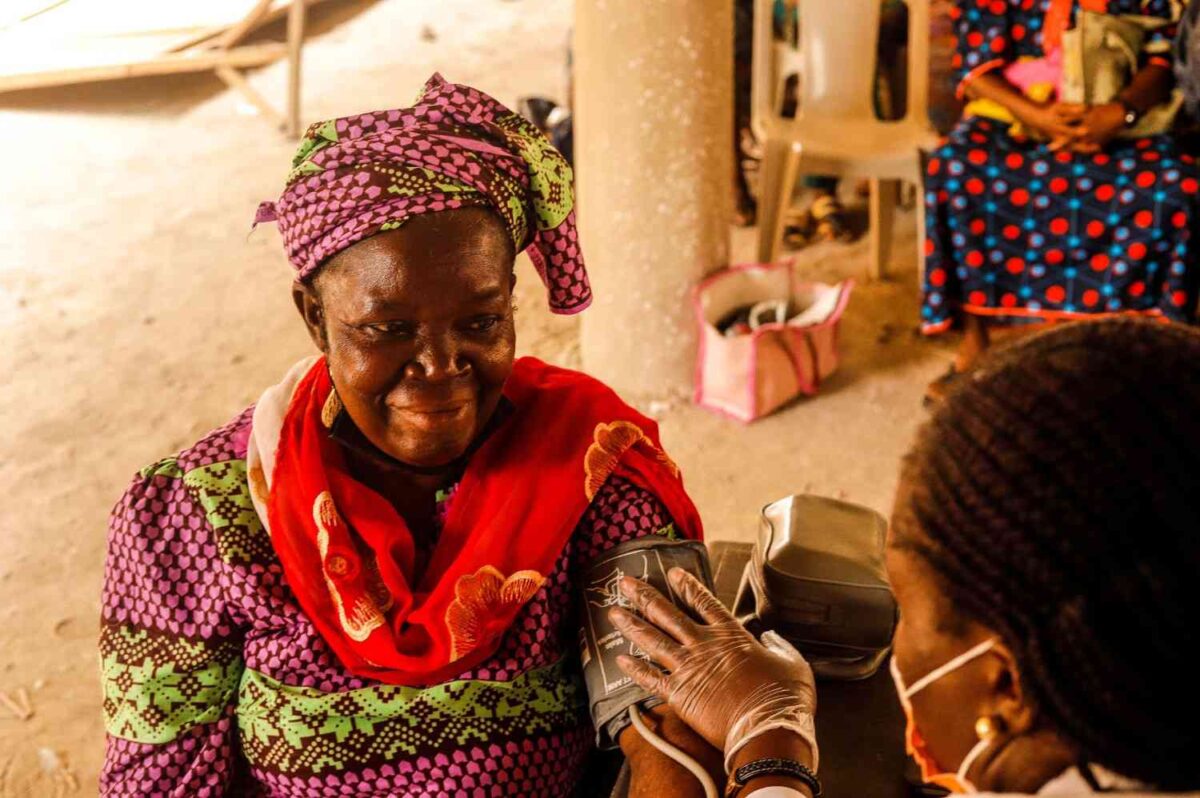
Every community clinic should have reliable blood pressure monitors for routine screening during every adult consultation.
Regular blood pressure checks help detect:
- Hypertension.
- Pregnancy-related hypertension.
- Cardiovascular disease risk.
- Stroke risk.
Blood pressure monitors remain among the highest-value investments for primary healthcare facilities.
2. Glucometer
Diabetes is increasing across Nigeria.
A portable glucometer enables healthcare workers to quickly measure blood glucose levels using a small blood sample.
Routine glucose screening is particularly important for:
- Pregnant women.
- Older adults.
- Overweight patients.
- Individuals with a family history of diabetes.
- Patients presenting with excessive thirst or frequent urination.
Early diagnosis helps prevent serious complications.
3. Pulse Oximeter
Pulse oximeters measure oxygen saturation and pulse rate within seconds.
These devices became especially valuable during the COVID-19 pandemic but remain essential for identifying respiratory emergencies.
They assist in assessing patients with:
- Pneumonia.
- Asthma.
- Tuberculosis.
- Chronic lung disease.
- Severe malaria.
- Heart disease.
WHO includes handheld pulse oximeters among important technologies for primary care where resources allow.
4. Digital Thermometer
Body temperature is one of the most basic but important clinical measurements.
Digital thermometers help healthcare workers identify fever associated with:
- Malaria.
- Respiratory infections.
- Typhoid fever.
- Childhood infections.
- Other communicable diseases.
Accurate temperature measurement supports timely clinical decisions.
5. Adult and Infant Weighing Scales
Weight monitoring is essential across all age groups.
Clinics use weighing scales to:
- Monitor child growth.
- Assess nutritional status.
- Calculate medication dosages.
- Monitor pregnancy.
- Track chronic disease management.
Combined with height measurement, scales support body mass index (BMI) assessment and malnutrition screening.
6. Height Board or Stadiometer
Measuring height alongside weight provides valuable information for assessing:
- Child growth.
- Stunting.
- Adult nutritional status.
- Obesity risk.
Growth monitoring allows community clinics to identify children requiring nutritional intervention before severe malnutrition develops.
7. Mid-Upper Arm Circumference (MUAC) Tape
MUAC tapes are inexpensive yet extremely valuable tools for identifying acute malnutrition in children and vulnerable adults.
Community health workers can use MUAC tapes during outreach programmes because they are:
- Portable.
- Easy to use.
- Quick to interpret.
- Highly effective for community screening.
This simple tool saves lives through early detection.
8. Rapid Diagnostic Test Kits
Rapid diagnostic tests allow healthcare workers to diagnose common conditions within minutes.
Depending on local disease patterns, clinics may prioritise:
- Malaria rapid diagnostic tests.
- HIV screening tests.
- Hepatitis screening.
- Pregnancy tests.
- Urinalysis strips.
Rapid testing reduces unnecessary treatment and supports evidence-based clinical care.
9. Portable Haemoglobin Meter
Anaemia remains common among pregnant women and children.
Portable haemoglobin testing devices allow early identification of patients who require nutritional support, iron supplementation, or referral for further evaluation.
Early diagnosis improves maternal and child health outcomes.
10. Basic Vision Screening Tools
Good vision is essential for education, employment, and quality of life.
Simple vision charts can identify individuals who require referral for further eye care.
WHO has developed practical guidance for implementing vision screening in community and primary healthcare settings using simple, affordable tools.
Choosing Equipment That Matches Community Needs
Not every clinic requires advanced diagnostic machines.
Equipment purchasing decisions should consider:
- Local disease burden.
- Staff training.
- Maintenance requirements.
- Electricity availability.
- Patient volume.
- Equipment durability.
- Availability of consumables.
- Cost-effectiveness.
Appropriate technology delivers better value than expensive equipment that cannot be maintained.
Training Healthcare Workers
Even affordable equipment requires proper training.
Healthcare workers should understand:
- Correct operating procedures.
- Infection prevention practices.
- Equipment maintenance.
- Calibration requirements.
- Accurate documentation.
- Patient counselling.
- Referral protocols.
Well-trained staff maximise the value of every investment.
Using Digital Platforms to Improve Clinical Knowledge
Technology is helping community healthcare workers stay updated on best practices.
Knowledge-sharing platforms such as SINNTS enable doctors, nurses, community health extension workers, laboratory professionals, public health specialists, and healthcare educators to publish practical clinical resources, organise virtual learning sessions, exchange professional experiences, and share innovations that strengthen primary healthcare delivery.
These digital learning communities support continuous professional development without requiring healthcare workers to leave their communities.
Knowledge improves healthcare quality.
Building Stronger Community Clinics
Affordable equipment should be viewed as part of a broader investment in primary healthcare.
Communities, governments, development partners, and private organisations can strengthen clinics by combining:
- Essential medical equipment.
- Staff training.
- Reliable medicine supplies.
- Digital health systems.
- Preventive health education.
- Community outreach.
- Routine maintenance programmes.
Together, these investments improve healthcare access and patient outcomes.
Conclusion
Community clinics do not need expensive technology to deliver high-quality preventive healthcare.
By prioritising affordable screening equipment such as blood pressure monitors, glucometers, pulse oximeters, thermometers, weighing scales, MUAC tapes, rapid diagnostic tests, and basic vision screening tools, Nigerian clinics can detect illnesses earlier, improve treatment outcomes, and reduce preventable disease.
Supported by trained healthcare workers, continuous professional education, and digital knowledge-sharing platforms like SINNTS, these essential tools strengthen primary healthcare and help communities build healthier futures.
Small investments in the right equipment can produce life-changing improvements in community health.
