Why Telemedicine Is a Critical Solution for Rural Nigeria’s Healthcare Gap
The maldistribution of Nigeria’s health workforce is one of the most persistent structural challenges in the country’s health system. The majority of Nigeria’s specialists — cardiologists, obstetricians, ophthalmologists, dermatologists, neurologists — practise in Lagos, Abuja, Kano, and a handful of other major urban centres. Rural communities in states like Zamfara, Cross River, Kebbi, and Taraba may have no specialist within hours of travel.
Telemedicine in rural Nigeria addresses this structural problem without requiring the impossible — it does not demand that specialists relocate to rural areas or that rural communities build specialist hospitals. Instead, it uses existing mobile infrastructure to create a clinical consultation channel between the health worker who is present in the community and the specialist who has the knowledge the patient needs.
Which Telemedicine Platforms Are Available for Rural Nigerian Communities
Several telemedicine platforms have been designed and adapted for Nigerian health system conditions. LifeBank, DrConsult, and Helium Health offer digital health platforms with telemedicine components that community health workers can access. The Telemedicine and eHealth Association of Nigeria provides a directory of providers and platforms operating in the Nigerian market.
For communities with limited internet connectivity, voice-based telemedicine — where a community health worker describes a patient’s condition to a specialist by phone using a structured clinical protocol — remains an effective and widely accessible option. WhatsApp-based photo consultations, particularly for dermatological conditions and wound assessment, are increasingly used by community health workers across Nigerian states to access specialist opinions rapidly and at low cost.
How Community Health Workers Can Use Telemedicine Effectively in Rural Nigeria
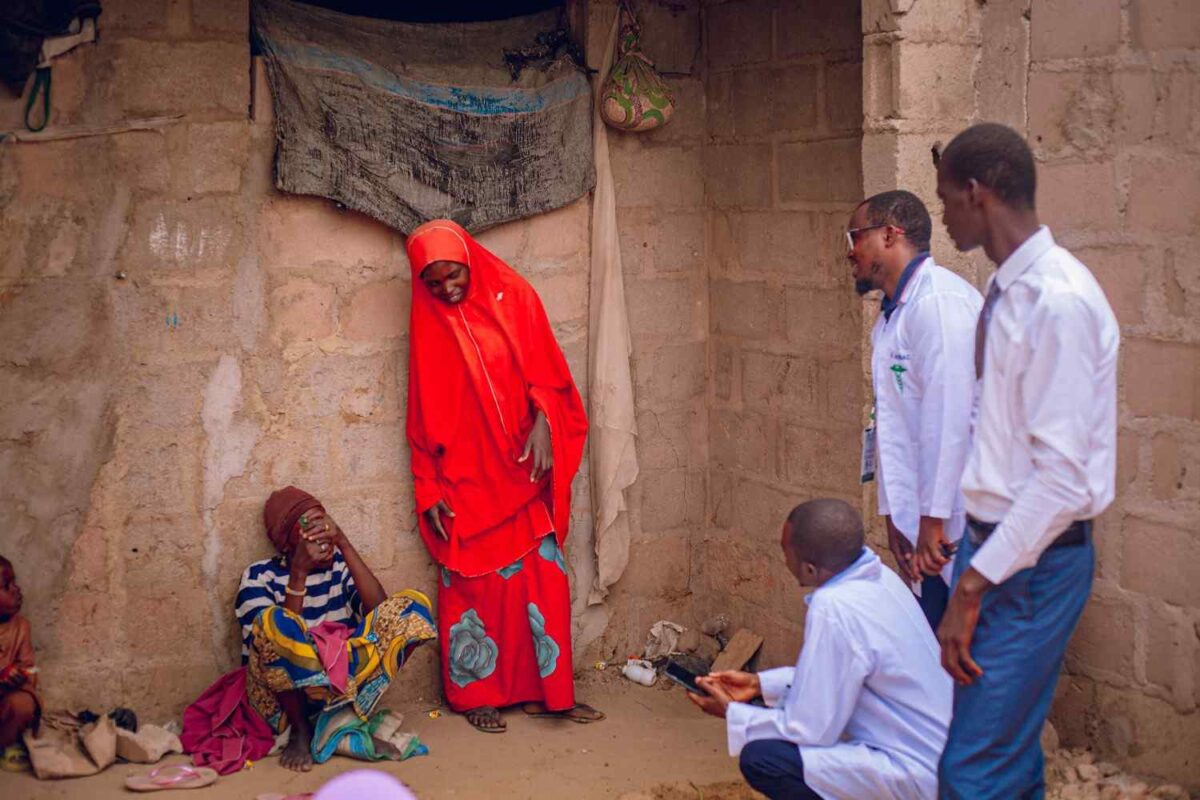
Effective telemedicine in rural Nigeria depends on community health workers who know how to prepare and present clinical information in a way that enables remote specialists to provide useful guidance. This means being able to describe a patient’s symptoms systematically, collect and transmit basic clinical measurements — blood pressure, temperature, pulse, respiratory rate — and provide clear photographic documentation where relevant.
Training community health workers in structured telemedicine consultation protocols — including when to use telemedicine versus when to refer physically, how to document the consultation and its outcomes, and how to follow up on specialist recommendations — dramatically improves the quality and safety of remote consultations. Simple job aids and decision trees help workers apply these protocols consistently under the pressures of routine practice.
Telemedicine for Maternal Health in Rural Nigerian Communities
Maternal health is perhaps the domain where telemedicine in rural Nigeria has the most immediate life-saving potential. Nigeria has one of the highest maternal mortality rates in the world, with rural communities bearing a disproportionate burden. Many maternal deaths occur because dangerous complications — eclampsia, postpartum haemorrhage, obstructed labour — are not recognised early enough, or because the decision to refer is made too late.
Telemedicine consultations between community midwives and obstetricians during complicated deliveries or high-risk pregnancies allow specialist guidance to reach the most remote communities in real time. Programmes that have implemented structured maternity telemedicine protocols in Nigerian states report faster recognition of danger signs, faster decision-making on referral, and improved outcomes for both mothers and newborns.
Building Sustainable Telemedicine Access for Rural Nigerian Communities
Sustainable telemedicine in rural Nigeria requires more than technology — it requires a health system that supports remote consultations through policy, training, infrastructure, and financing. State governments that incorporate telemedicine into their primary health care system frameworks, establish reimbursement mechanisms for teleconsultations, and provide community health workers with the devices and data plans needed for reliable connectivity create the enabling environment that individual programmes cannot sustain alone.
Community health advocacy — including community leaders raising the demand for telemedicine infrastructure as a component of local health service delivery — is an important driver of state-level policy change. Communities that make a credible case for telemedicine access, supported by documented health needs and evidence of community readiness, are significantly more likely to secure the attention and investment of state health ministries.