
Blog Post #29: Practical Ideas for Integrating Environmental Science Into Community Education Programmes in Nigeria
Introduction
Environmental challenges are becoming increasingly visible across Nigeria. Climate change, deforestation, flooding, erosion, desertification, poor waste management, water pollution, and biodiversity loss are affecting livelihoods, agriculture, public health, and economic development.
Addressing these challenges requires more than government policies alone. Communities also need scientific knowledge that helps people understand environmental issues and make informed decisions in their daily lives.
Environmental science education provides that foundation. By integrating practical environmental learning into community education programmes, Nigerian communities can build a generation of environmentally responsible citizens who understand how to protect natural resources while supporting sustainable development.
Why Environmental Science Education Matters
Environmental science helps people understand how natural systems work and how human activities affect those systems.
When communities understand the relationship between forests, rivers, soil, climate, agriculture, and biodiversity, they are better equipped to make decisions that improve both environmental sustainability and economic wellbeing.
Scientific knowledge also helps communities adapt more effectively to changing environmental conditions while protecting future generations.
Education transforms environmental awareness into practical action.
Teaching Through Local Experiences
The most effective environmental education connects science with everyday community life.
Instead of relying only on textbooks, educators can use local rivers, farms, forests, wetlands, markets, and neighbourhoods as outdoor classrooms.
Students can observe soil types, identify plant species, examine water quality, study local wildlife, monitor waste disposal practices, and discuss how environmental conditions affect community health.
Learning becomes more meaningful when scientific concepts are linked directly to familiar surroundings.
Integrating Environmental Science Into Schools
Schools play a vital role in developing environmental awareness from an early age.
Teachers can incorporate environmental science into subjects such as biology, geography, agriculture, chemistry, and civic education through practical classroom activities.
Tree planting, school gardens, recycling projects, weather observation, composting, and environmental clubs encourage students to apply scientific knowledge beyond the classroom.
Hands-on learning strengthens curiosity while building problem-solving skills.
Community-Based Environmental Learning
Environmental education should extend beyond schools.
Community workshops, farmers’ meetings, youth programmes, women’s associations, religious organisations, and local development groups provide valuable opportunities for lifelong environmental learning.
Topics may include:
- Climate-smart agriculture.
- Sustainable waste management.
- Water conservation.
- Renewable energy.
- Biodiversity protection.
- Flood preparedness.
- Environmental sanitation.
- Air quality.
- Sustainable land management.
- Responsible resource use.
Continuous community education helps strengthen collective environmental responsibility.
Using Technology to Improve Environmental Education
Digital technology has expanded access to environmental information.
Mobile applications, online videos, interactive maps, satellite imagery, virtual learning platforms, and digital weather services enable communities to access scientific knowledge quickly and conveniently.
Students and community members can also participate in citizen science projects by collecting environmental observations and sharing valuable data with researchers.
Technology helps bridge the gap between scientific research and community education.
Encouraging Community Participation
Environmental protection is most successful when communities actively participate.
Community clean-up exercises, tree planting campaigns, recycling initiatives, river restoration projects, biodiversity surveys, and environmental awareness events encourage residents to apply scientific knowledge through practical action.
Participation builds a stronger sense of ownership while strengthening cooperation among community members.
Every individual has a role in protecting the environment.
Developing Environmental Leadership
Strong environmental programmes also invest in leadership development.
Teachers, youth leaders, farmers, healthcare workers, traditional leaders, religious leaders, and local volunteers can become environmental ambassadors who encourage responsible environmental practices throughout their communities.
Leadership training helps these individuals communicate scientific information clearly while inspiring others to participate in environmental initiatives.
Community leadership strengthens long-term sustainability.
The Role of SINNTS in Environmental Education
Community-focused digital platforms such as SINNTS can support environmental education by creating spaces where experts, educators, students, researchers, entrepreneurs, and community members share knowledge and collaborate on solutions.
Environmental professionals can publish educational content, organise awareness campaigns, connect with learners, discuss sustainability challenges, and encourage practical environmental action through digital communities.
By promoting knowledge sharing and continuous learning, SINNTS helps expand access to environmental education beyond traditional classrooms and supports Nigeria’s transition toward a more environmentally informed society.
Preparing Communities for a Sustainable Future
Nigeria’s future development depends on balancing economic growth with environmental sustainability.
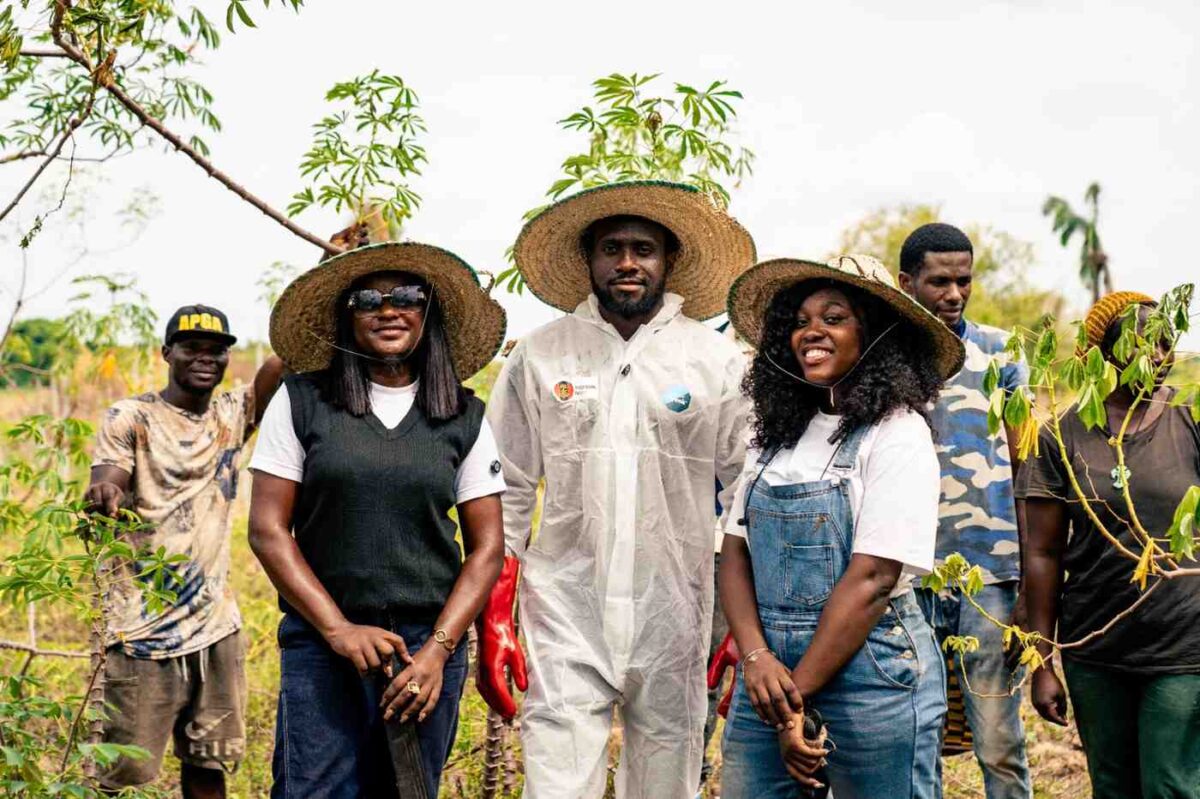
Communities that understand environmental science are better prepared to adapt to climate change, protect natural resources, improve agricultural productivity, reduce pollution, and support healthier living conditions.
Environmental education is therefore an investment in both today’s wellbeing and tomorrow’s prosperity.
Conclusion
Environmental science education equips communities with the knowledge needed to make informed decisions about natural resources, public health, agriculture, and sustainable development.
By integrating environmental learning into schools, community programmes, and digital platforms, Nigeria can build stronger communities that actively protect their environment while creating opportunities for future generations.
Platforms such as SINNTS complement these efforts by encouraging collaboration, knowledge sharing, and continuous education among individuals committed to building healthier, more sustainable communities across the country.
Environmental stewardship begins with education, and every community has the opportunity to become part of that journey.
