
Understanding Local Nutrition Challenges in Nigerian Communities
Effective nutrition education for Nigerian community health begins with understanding the specific nutritional challenges most prevalent in the local context. Northern Nigeria faces particularly high rates of acute malnutrition in children under five, driven by a combination of food insecurity, cultural food practices, and inadequate infant feeding knowledge. Southern Nigeria faces a growing double burden — persistent undernutrition alongside rapidly rising rates of obesity, hypertension, and diabetes linked to changing dietary patterns. Community organisations must understand their specific local nutrition profile before designing education interventions.
Promoting Affordable and Nutritious Local Foods
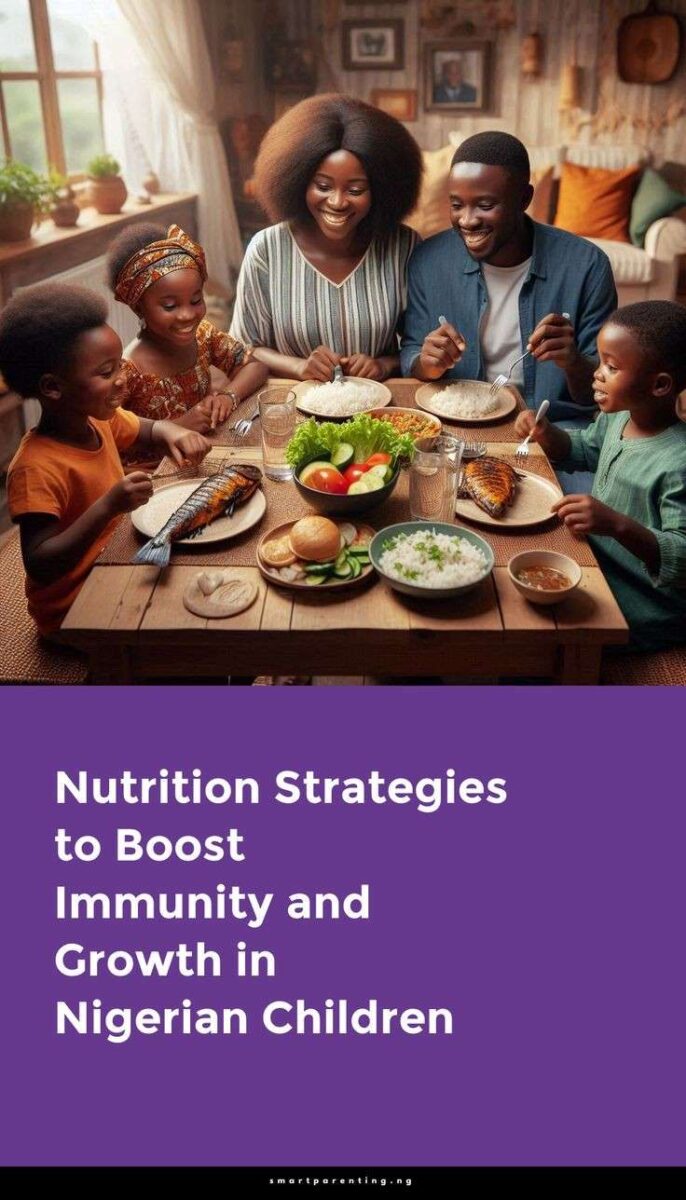
The most practical nutrition messages for Nigerian community health education focus on affordable, locally available foods rather than expensive or imported alternatives. Orange-fleshed sweet potato, moringa leaves, dark green leafy vegetables, legumes, eggs, and small dried fish are all affordable, widely available Nigerian foods with exceptional nutritional profiles. Community nutrition education that helps families understand how to combine these familiar foods into balanced daily diets — without requiring any increase in food expenditure — delivers the most accessible and sustainable nutrition improvement.
Infant and Young Child Feeding as a Priority
Infant and young child feeding is the highest-priority target for community nutrition education in Nigeria. Exclusive breastfeeding for the first six months of life, appropriate complementary feeding from six months using locally available foods, continued breastfeeding through two years — these practices, consistently applied, would prevent hundreds of thousands of cases of child malnutrition in Nigeria each year. Community health workers and women’s group leaders trained to support these practices through peer counselling are among the most effective nutrition educators available.
Growth Monitoring and Early Identification of Nutrition Risks
Growth monitoring — regular weighing and measurement of children under five, with results plotted on a growth chart and discussed with caregivers — is a community nutrition activity that identifies at-risk children early, creates natural teaching moments about child nutrition, and builds caregiver awareness of their child’s developmental progress. Simple community growth monitoring programmes, run by trained volunteers at monthly well-child days, have demonstrated significant impact on child nutrition outcomes in Nigerian communities where they have been systematically implemented.
Community Kitchen Demonstrations for Nutrition Education
Community kitchen demonstrations — cooking sessions where nutrition champions prepare nutritious meals from local ingredients in front of community members — are among the most powerful nutrition education tools available. Seeing that nutritious food can be delicious, affordable, and practically achievable removes the barrier of unfamiliarity that prevents many families from adopting healthier food practices.
