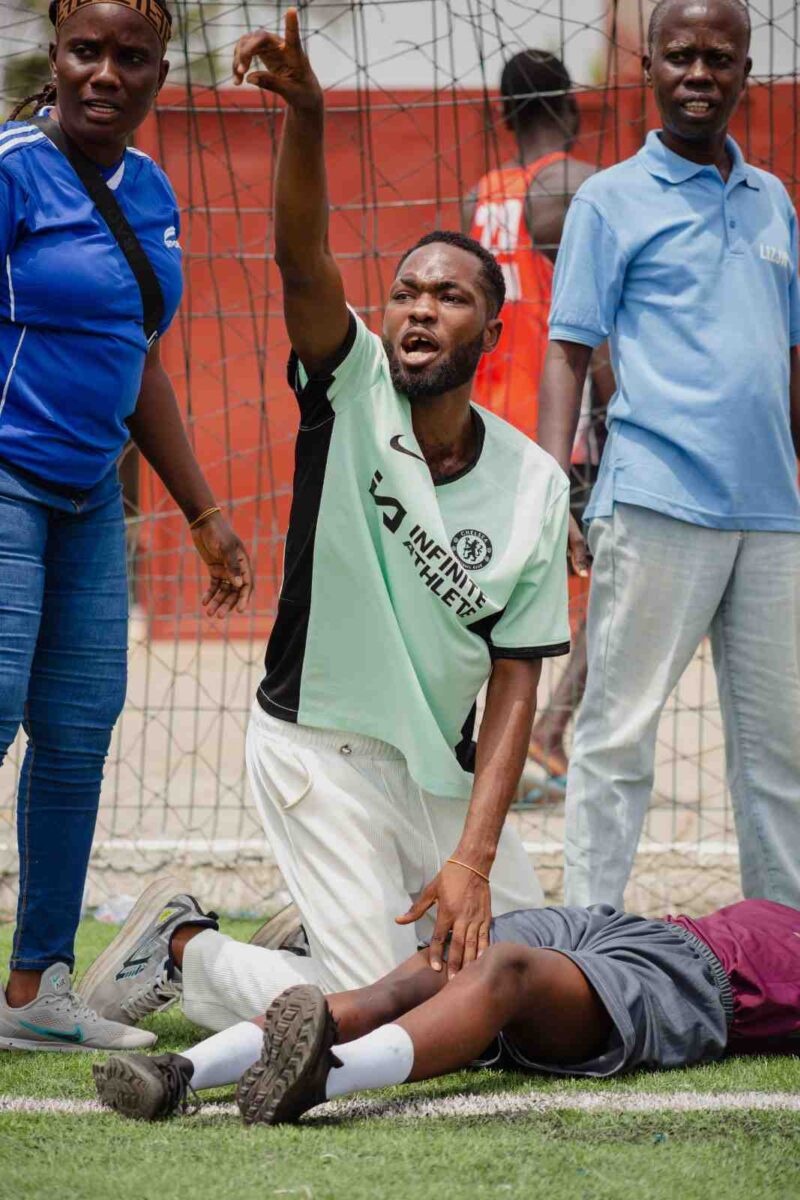
Why First Aid Training Is a Community Development Priority in Nigeria
Nigeria’s emergency medical services infrastructure—ambulance services, trauma centres, and pre-hospital care—is severely underdeveloped relative to the country’s population and emergency burden.
In most Nigerian communities, the realistic response time for professional emergency medical services, where they exist at all, is measured in tens of minutes to hours rather than the eight to fifteen minutes that determines outcomes for many life-threatening emergencies.
In this context, trained community first responders are not a supplement to professional emergency services—they are the primary emergency response in the critical minutes when professional services are not yet present.
A community member trained in basic first aid who correctly responds to a choking incident, a drowning, a road traffic accident, or a cardiac event dramatically increases the victim’s chance of survival and functional recovery.
The Red Cross estimates that immediate bystander first aid could prevent a significant proportion of the preventable deaths that occur at emergency scenes globally each year.
Core First Aid Skills Every Nigerian Community Member Should Have
The core first aid skills that have the highest impact in Nigerian community emergency contexts include:
- Cardiopulmonary resuscitation (CPR)—the chest compression and rescue breathing technique that maintains circulation and oxygenation during cardiac arrest until defibrillation or professional help arrives.
- Wound management—cleaning, dressing, and immobilising wounds to control bleeding, prevent infection, and stabilise the injured person for transport.
- Choking response—the abdominal thrust technique that dislodges airway obstructions.
- Recovery position placement for unconscious but breathing casualties.
- Burn management using cool running water.
- Heat exhaustion response.
CPR training, delivered by a trained instructor in approximately four hours, gives community members a skill that can restart a heart that has stopped beating.
Wound management is applicable to the trauma emergencies that are most common in Nigerian communities, including road accidents, farm injuries, and domestic accidents.
Choking response is simple, fast to learn, and immediately applicable in community and household settings.
Recovery position placement for unconscious but breathing casualties, burn management using cool running water, and heat exhaustion response are additional high-value first aid skills for Nigerian community contexts.
How to Organise Community First Aid Training in Nigeria
Organising community first aid training in Nigeria is most effectively done through partnership with established training providers who can deliver certified, competency-based instruction.
The Nigerian Red Cross Society provides first aid training across Nigeria and offers community-level training programmes at accessible costs.
The St. John Ambulance Nigeria organisation also provides first aid certification training through a national training network.
Community organisations that want to maintain an ongoing first aid training capacity—rather than conducting a single training event—should aim to train at least two community members as certified first aid instructors who can train others.
This train-the-trainer model creates a sustainable community first aid training capability that persists independently of external provider availability and cost.
Refresher training, conducted annually for all trained community first responders, maintains skill levels and updates community members on any changes to first aid protocols.
Equipping Nigerian Community Organisations With First Aid Kits and Resources
First aid training without adequate first aid supplies is significantly less effective. A trained community member who knows how to manage a wound but has no sterile dressings, no gloves, and no bandages cannot apply their knowledge safely.
Every Nigerian community organisation that invests in first aid training should simultaneously invest in adequately stocked first aid kits positioned in the locations where emergencies are most likely to occur.
A well-stocked first aid kit for Nigerian community use contains:
- Sterile wound dressings in multiple sizes
- Adhesive bandages
- Triangular bandages
- Sterile gloves in multiple sizes
- Antiseptic solution and wipes
- A CPR face shield
- Scissors and tweezers
- A thermometer
- Oral rehydration salts
- Paracetamol tablets
- A first aid reference card
First aid kit contents should be checked monthly, expired items replaced, and used items restocked immediately after any emergency use.
Building a Culture of First Aid Preparedness in Nigerian Communities
A single first aid training event, however well delivered, does not create lasting community emergency preparedness—it creates a skill that will decay without practice and a culture change that requires sustained reinforcement.
Nigerian community organisations that integrate first aid into their regular activities—including:
- First aid scenario practice in monthly meetings
- First aid kit checks as a standing agenda item
- Annual community first aid refresher events
create the culture of preparedness that makes training investment durable.
Public recognition of community members who have used their first aid training to help others—through community announcements, social media recognition, and formal acknowledgment at community meetings—reinforces the social value of first aid competence and motivates the regular practice that maintains skills.
Communities that develop a reputation for first aid preparedness create an additional dimension of community safety that benefits every resident, every visitor, and every event that takes place within them.