
Practical Eye Care Outreach Models That Community Health Organisations in Nigeria Can Replicate
The Scale of Unmet Eye Care Need in Nigerian Communities
Millions of Nigerians live with preventable or treatable visual impairment, yet many are unable to access eye care because specialist services are concentrated in urban centres. Conservative estimates indicate that more than one million Nigerians are blind, while several million more experience severe visual impairment.
Cataracts remain the leading cause of blindness in Nigeria, accounting for more than 40% of cases. Although cataracts can be treated through a relatively straightforward surgical procedure, many older adults in rural communities never receive treatment because travelling to specialist hospitals is difficult or unaffordable.
Uncorrected refractive errors also affect millions of Nigerians. Many schoolchildren struggle academically because they cannot see clearly, while adults experience reduced productivity due to poor vision that could be corrected with affordable spectacles. Community-based eye care outreach programmes can address these challenges by bringing screening, vision testing, and low-cost corrective services directly to underserved populations.
Community Eye Care Outreach Models That Work in Nigeria
Several outreach models have proven effective across Nigerian communities.
Fixed Outreach Camps
Fixed outreach camps are organised periodically at accessible community locations such as schools, primary healthcare centres, churches, mosques, or community halls.
With proper publicity before the event, these camps can provide:
- Vision screening.
- Eye examinations.
- Refraction services.
- Spectacle dispensing.
- Minor eye procedures.
- Referrals for cataract surgery and other specialist care.
Because many services are offered in a single visit, fixed outreach camps reach large numbers of people efficiently.
Mobile Eye Units
Mobile eye clinics bring comprehensive eye care directly into rural communities using specially equipped vehicles.
Depending on available equipment, these mobile units can provide:
- Comprehensive eye examinations.
- Diagnostic testing.
- Spectacle services.
- Minor treatments.
- Cataract surgery through portable operating facilities.
This model is particularly valuable for remote communities where permanent eye care facilities do not exist.
Integrated Primary Healthcare Model
The integrated primary healthcare approach focuses on building long-term local capacity.
Primary healthcare workers and community health workers receive training to:
- Conduct basic eye screening.
- Test visual acuity.
- Recognise common eye conditions.
- Refer patients appropriately.
Specialist eye care teams then conduct scheduled outreach visits to assess and treat patients identified during routine community screening. This creates continuous access to eye care rather than relying solely on occasional outreach campaigns.
Building Strong Partnerships for Community Eye Care
Successful community eye care programmes rely on partnerships between local organisations and specialist eye care providers.
Community health organisations can collaborate with:
- Specialist ophthalmologists.
- Teaching hospitals.
- Eye care foundations.
- Government eye health programmes.
- International eye care organisations.
These partnerships provide access to:
- Clinical expertise.
- Diagnostic equipment.
- Surgical services.
- Medicines and consumables.
- Professional training.
Communities that actively approach potential partners with structured outreach proposals are often more successful than those waiting to be selected for existing programmes.
Preparing Communities for Successful Eye Care Outreach
Careful preparation significantly improves the success of outreach activities.
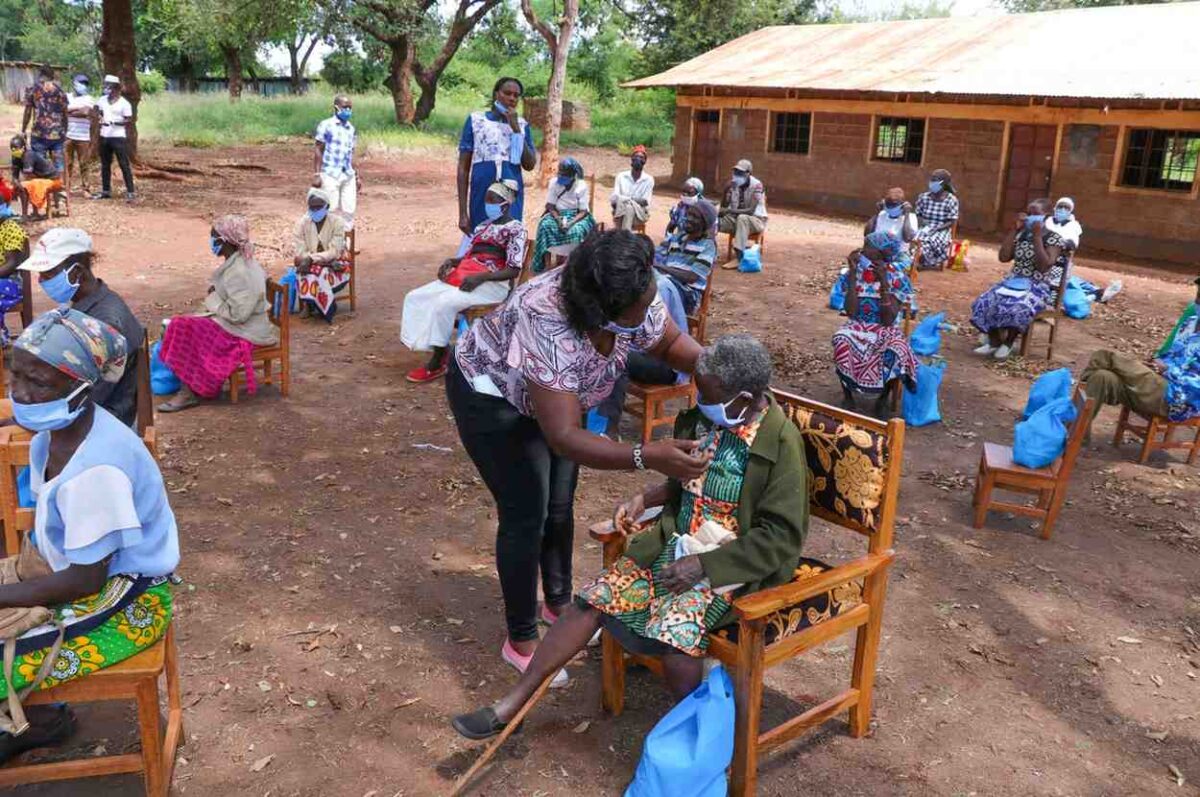
Community mobilisation should begin at least two weeks before each outreach event through:
- Community health workers.
- Religious leaders.
- Women’s associations.
- Youth groups.
- Traditional leaders.
- Local community organisations.
Preparation should also include:
- Selecting a suitable venue with adequate lighting and privacy.
- Organising volunteers for registration and patient flow.
- Preparing referral arrangements for surgical patients.
- Providing clear pre-operative and post-operative instructions.
- Coordinating transport where necessary.
Communities that invest in proper planning consistently achieve higher attendance, smoother service delivery, and better clinical outcomes.
Sustaining Eye Care Between Outreach Visits
Periodic outreach programmes achieve the greatest long-term impact when they are supported by continuous community eye care services.
Training community health workers in basic eye assessment enables communities to identify vision problems early and refer patients promptly.
Sustainable community eye care may include:
- Routine visual acuity testing.
- Basic external eye examinations.
- Identification of common eye diseases.
- Referral systems for specialist care.
- Local spectacle dispensing services.
- Community optical technicians who can provide basic vision correction.
By combining periodic specialist outreach with ongoing local eye health services, Nigerian communities can build a sustainable eye care system that improves access, reduces preventable blindness, and ensures continuous support for people living with visual impairment.
