
Understanding the Diabetes Risk Landscape in Nigerian Communities
Type 2 diabetes risk in Nigerian communities is shaped by a specific combination of genetic predisposition, dietary patterns, physical activity levels, and metabolic factors that community health educators must understand to deliver relevant prevention messages. Nigerians of West African descent have a genetic susceptibility to insulin resistance that makes the interaction with dietary and lifestyle risk factors particularly consequential — meaning that the same dietary patterns that produce modest diabetes risk in some populations produce substantially higher risk in Nigerian populations.
The dietary transitions occurring across Nigerian communities — from traditional diets high in complex carbohydrates, vegetables, legumes, and lean protein to processed foods high in refined carbohydrates, added sugar, and unhealthy fats — are a major driver of rising diabetes rates. Community health educators who understand this transition and can help community members navigate it through culturally appropriate food choices are addressing one of the most modifiable risk factors in the Nigerian diabetes epidemic.
The Most Effective Diabetes Prevention Messages for Nigerian Communities
Effective diabetes prevention education for Nigerian communities focuses on five evidence-based behaviour changes that have the strongest impact on type 2 diabetes risk.
Reduce Consumption of Sugary Drinks
Reducing consumption of sugary drinks — including soft drinks, packaged juices, and sweetened teas — is the single most impactful dietary change most Nigerians can make, given the high consumption levels of these beverages across communities.
Increase Daily Physical Activity
Increasing daily physical activity — through walking, community exercise programmes, manual work, and active transport — is achievable without any financial investment and produces significant metabolic benefits.
Maintain a Healthy Body Weight
Maintaining a healthy body weight — achieved primarily through dietary change and physical activity — dramatically reduces diabetes risk, with each kilogram of weight loss producing measurable improvements in insulin sensitivity.
Improve Dietary Choices
Eating more vegetables, legumes, and whole grains while reducing portions of refined carbohydrates like white rice, white bread, and processed snacks improves glycaemic control in people with pre-diabetes.
Promote Regular Blood Glucose Monitoring
Regular blood glucose monitoring — through community health screenings — identifies pre-diabetes early enough to allow intervention before progression to full diabetes.
Delivering Diabetes Prevention Education in Nigerian Community Settings
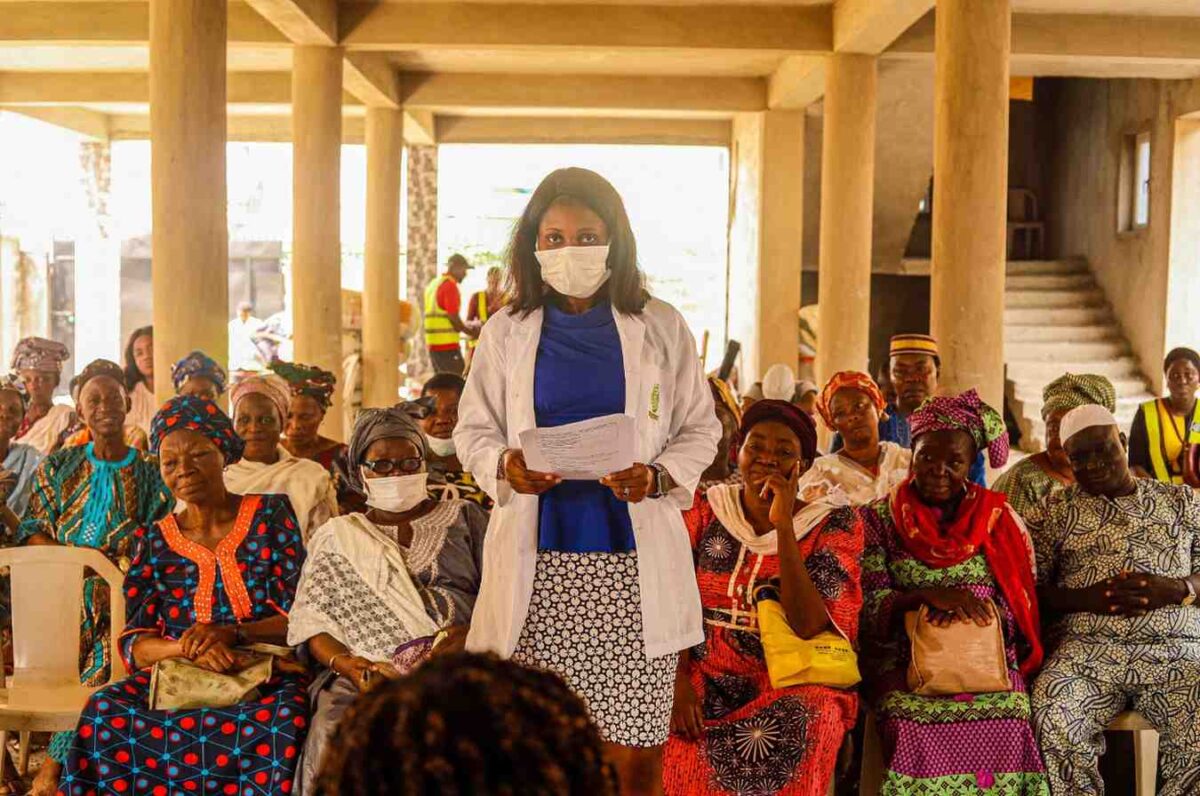
The most effective diabetes prevention education in Nigerian community settings uses participatory approaches that connect health information to the everyday food choices and lifestyle practices that community members actually face. Group education sessions that use local food examples, familiar cooking methods, and culturally specific physical activity patterns are far more engaging and behaviour-changing than generic health education content designed for other populations.
Faith-based settings — churches and mosques — offer particularly effective platforms for diabetes prevention education in Nigeria, combining trusted community authority with high attendance and natural opportunities for follow-up. Women’s groups, market associations, and community health days provide additional channels for reaching the adult populations most at risk.
Community health educators who build relationships with these existing institutions and integrate diabetes prevention messaging into their regular activities reach far more people than those who organise standalone health education events.
Using Community Health Technology for Diabetes Prevention in Nigeria
Technology tools are enhancing the reach and effectiveness of diabetes prevention education in Nigerian communities.
WhatsApp Health Education Groups
WhatsApp groups dedicated to community health education — sharing daily tips on healthy eating, physical activity, and blood glucose awareness — maintain health behaviour change motivation between formal education sessions.
Mobile Health Applications
Free blood glucose monitoring apps help community members with diabetes risk factors track their dietary choices and physical activity against simple health goals.
AI-Powered Nutrition Analysis Tools
AI-powered nutrition analysis tools, accessible through smartphone apps, allow community health educators and community members to assess the nutritional content of common Nigerian dishes and identify healthier preparation alternatives that preserve familiar flavours while reducing diabetes risk.
Digital Resources for Educators
The Diabetes Association of Nigeria provides free digital resources specifically designed for community health educator use in Nigerian contexts, including locally adapted food guides and physical activity recommendations.
Building a Sustainable Community Diabetes Prevention Programme in Nigeria
Sustainable diabetes prevention in Nigerian communities requires more than awareness campaigns — it requires structural changes in the community food and physical activity environment that make healthy choices easier and more normal.
Community leaders who advocate for reducing the density of sugary drink vendors near schools, establishing community exercise spaces, and ensuring that healthy food options are available and affordable at community markets are creating the environmental conditions that support individual behaviour change.
Partnerships between community health organisations, local government health departments, faith institutions, and the private sector create the multisectoral approach that sustainable diabetes prevention requires.
Community champions — individuals who have made lifestyle changes that reduced their own diabetes risk and are willing to share their experience with others — are among the most powerful diabetes prevention educators available in any Nigerian community.
