
Practical Child Nutrition Guidance That Community Health Workers Can Use in Every Nigerian Village
Introduction
Good nutrition during childhood is one of the strongest foundations for lifelong health, learning, and productivity. Community health workers play a critical role in ensuring that parents and caregivers have the knowledge they need to raise healthy children, particularly during the first two years of life when nutrition has the greatest impact on physical and brain development.
By providing practical, culturally appropriate guidance during household visits, antenatal clinics, immunisation sessions, and community outreach programmes, community health workers can help reduce malnutrition, prevent childhood illnesses, and improve the wellbeing of children across Nigerian communities.
The Importance of the First 1,000 Days
The period from conception until a child’s second birthday—commonly known as the first 1,000 days—is the most important stage of growth and development. During this time, the brain develops rapidly, the immune system strengthens, and the body builds the foundation for lifelong health.
Poor nutrition during this period can lead to stunting, weakened immunity, delayed learning, and increased risk of illness. Many of these effects cannot be completely reversed later in life.
Community health workers should encourage pregnant women to attend antenatal care, eat nutritious diets, take recommended supplements, and prepare for optimal infant feeding before delivery. Early nutrition education helps families make informed decisions from the beginning of a child’s life.
Promoting Exclusive Breastfeeding
Exclusive breastfeeding for the first six months remains one of the most effective ways to improve child survival and nutrition.
Mothers should be encouraged to feed their babies only breast milk during the first six months without giving water, herbal mixtures, or other foods unless medically advised. Breast milk provides all the nutrients, fluids, and protective antibodies that infants need during this period.
Community health workers should also reassure mothers who worry that they are not producing enough milk. Frequent breastfeeding, correct positioning, and proper attachment usually increase milk production naturally. Providing encouragement and practical demonstrations can help mothers overcome common breastfeeding challenges.
Continued breastfeeding alongside complementary foods is recommended until at least two years of age or beyond, depending on the family’s circumstances.
Introducing Safe and Nutritious Complementary Foods
At six months of age, breast milk alone is no longer enough to meet a growing child’s nutritional needs. Complementary foods should be introduced while breastfeeding continues.
Community health workers should encourage caregivers to provide a variety of locally available foods, including cereals, legumes, vegetables, fruits, eggs, fish, meat where affordable, and healthy fats.
Important messages include:
- Introduce complementary foods at six months.
- Feed children according to their age and appetite.
- Include foods from different food groups every day.
- Prepare meals using clean utensils and safe drinking water.
- Continue breastfeeding alongside solid foods.
Using visual counselling materials and practical cooking demonstrations helps caregivers better understand how to prepare balanced meals using affordable local ingredients.
Early Detection and Referral of Malnutrition
Community health workers are often the first to identify children who are becoming malnourished.
The Mid-Upper Arm Circumference (MUAC) tape provides a simple and effective method for screening children between six months and five years of age.
Children identified with severe acute malnutrition should be referred immediately to appropriate health facilities where they can receive specialised treatment, including Ready-to-Use Therapeutic Food (RUTF) and medical care.
Children with moderate malnutrition should receive nutritional counselling, growth monitoring, and follow-up support through community-based nutrition programmes.
Early detection greatly improves recovery and reduces the risk of serious complications.
Preventing Micronutrient Deficiencies
Many Nigerian children suffer from deficiencies of essential vitamins and minerals that affect growth, immunity, and cognitive development.
Community health workers should promote routine Vitamin A supplementation according to national immunisation schedules and encourage caregivers to seek medical attention for children who may require iron supplementation or other nutritional support.
Dietary counselling should emphasise affordable, nutrient-rich local foods such as:
- Dark green leafy vegetables.
- Orange-fleshed sweet potatoes and carrots.
- Beans, groundnuts, and other legumes.
- Eggs, fish, meat, and dairy products where available.
- Fruits rich in Vitamin C.
- Iodised salt for household cooking.
Encouraging families to include these foods regularly helps prevent nutritional deficiencies while supporting healthy growth.
Nutrition During Childhood Illness
Children often eat less when they are sick, increasing their risk of malnutrition.
Community health workers should advise caregivers to continue breastfeeding during illness, encourage frequent small meals when the child is able to eat, provide plenty of safe fluids, and continue feeding after recovery to help regain lost weight.
Children with persistent diarrhoea should receive Oral Rehydration Solution (ORS) and zinc supplementation as recommended by healthcare professionals while continuing appropriate feeding practices.
Prompt treatment of infections such as malaria, pneumonia, and diarrhoea also helps prevent worsening nutritional status.
Supporting Families Through Community Nutrition Education
Nutrition education is most effective when it is practical, respectful, and tailored to local realities.
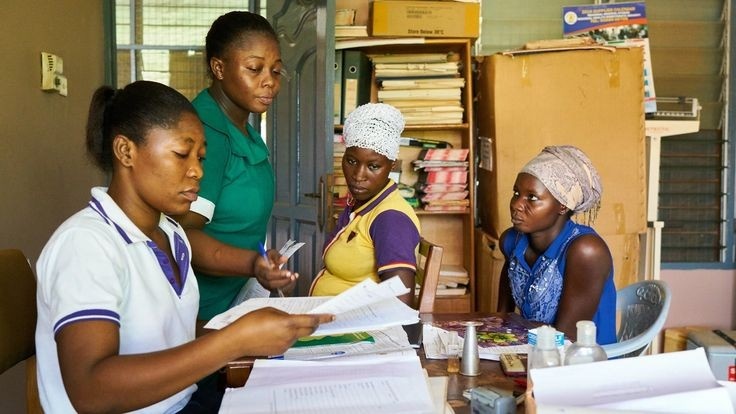
Community health workers can organise cooking demonstrations using affordable local foods, establish mother-to-mother support groups, conduct household counselling visits, and collaborate with religious leaders, schools, and community organisations to promote healthy child feeding practices.
Regular growth monitoring sessions also help caregivers understand whether their children are growing appropriately and provide opportunities to address nutritional concerns early.
Digital community platforms such as SINNTS can further strengthen nutrition education by connecting healthcare professionals, community health workers, parents, and educators through health awareness campaigns, learning resources, discussion groups, and community outreach initiatives. These platforms can help spread accurate child nutrition information to a wider audience while encouraging community participation in promoting children’s health.
Conclusion
Community health workers are central to improving child nutrition across Nigerian villages. Through consistent guidance on exclusive breastfeeding, complementary feeding, micronutrient intake, growth monitoring, early detection of malnutrition, and nutrition during illness, they help families give children the healthiest possible start in life.
Investing in practical community nutrition education not only reduces childhood illness and malnutrition but also supports better educational outcomes, stronger communities, and long-term national development. Every informed caregiver and every healthy child represent an important step toward a healthier and more prosperous Nigeria.
