
Introduction
Reliable electricity remains one of the greatest challenges facing many rural and underserved communities across Nigeria. While national grid expansion continues, thousands of villages still experience little or no access to dependable power, limiting education, healthcare, agriculture, business growth, and digital inclusion.
Community-owned solar energy projects are emerging as one of the most practical solutions to this challenge. Rather than depending entirely on external operators, these projects are designed to be owned, managed, and sustained by the communities they serve. This model not only improves access to clean energy but also strengthens local participation, accountability, and economic resilience.
When properly structured, community solar initiatives become long-term community assets that continue delivering benefits for many years.
Why Community Ownership Matters
Many infrastructure projects fail because local communities have little involvement after installation.
Community ownership changes this dynamic by ensuring residents participate in:
- Project planning.
- Decision-making.
- Financial management.
- Equipment protection.
- Routine maintenance.
- Long-term expansion.
When people feel ownership, they are more likely to protect and sustain the investment.
Identifying Community Energy Needs
Every successful solar project begins with a detailed assessment.
Communities should identify:
- Number of households requiring electricity.
- Schools needing power.
- Primary healthcare centres.
- Water pumping requirements.
- Small businesses.
- Community centres.
- Street lighting needs.
Understanding actual energy demand prevents under-sizing or over-investment.
Community Participation from the Beginning
Residents should participate throughout project development.
Community meetings can help determine:
- Priority beneficiaries.
- Installation locations.
- Payment models.
- Governance arrangements.
- Expansion plans.
Early engagement builds trust and encourages long-term support.
Choosing the Right Solar System
Different communities require different solutions.
Common options include:
- Solar home systems.
- Mini-grids.
- Community charging stations.
- Solar-powered boreholes.
- Solar-powered health facilities.
- Solar-powered schools.
- Solar street lighting.
System selection should reflect local energy needs and future growth.
Establishing a Community Energy Committee
Strong governance is essential for sustainability.
Communities should establish an elected committee responsible for:
- Financial oversight.
- Equipment monitoring.
- Maintenance coordination.
- Community communication.
- Record keeping.
- Conflict resolution.
Transparent leadership encourages accountability and public confidence.
Sustainable Financing Models
Solar projects require funding not only for installation but also for long-term operation.
Communities may combine:
- Government grants.
- Development partner support.
- Cooperative contributions.
- Community savings.
- Corporate social responsibility funding.
- Microfinance.
- Affordable user fees.
Small monthly contributions from users often provide sufficient funds for maintenance and future equipment replacement.
Maintenance Planning
Even high-quality solar systems require regular maintenance.
Community technicians should receive training on:
- Cleaning solar panels.
- Battery monitoring.
- Cable inspection.
- Fault reporting.
- Basic repairs.
- Safety procedures.
Local maintenance reduces downtime and avoids expensive emergency repairs.
Building Local Technical Skills
Community ownership becomes stronger when technical knowledge remains within the community.
Young people can be trained as:
- Solar technicians.
- Energy entrepreneurs.
- Maintenance assistants.
- Installation support personnel.
These skills create employment while ensuring projects remain operational.
Supporting Local Economic Development
Reliable electricity creates opportunities for economic growth.
Solar-powered communities often experience improvements in:
- Agricultural processing.
- Refrigeration for food preservation.
- Small-scale manufacturing.
- Digital businesses.
- Hair salons and barbershops.
- Tailoring services.
- Phone charging businesses.
- Evening trading activities.
Access to electricity expands income opportunities for households and entrepreneurs.
Powering Education and Healthcare
Schools benefit from:
- Computer education.
- Internet connectivity.
- Evening study.
- Digital classrooms.
- Improved teaching resources.
Healthcare facilities benefit through:
- Vaccine refrigeration.
- Medical equipment operation.
- Lighting for night deliveries.
- Communication systems.
- Improved patient care.
Reliable electricity directly improves essential public services.
Using Digital Technology for Project Management
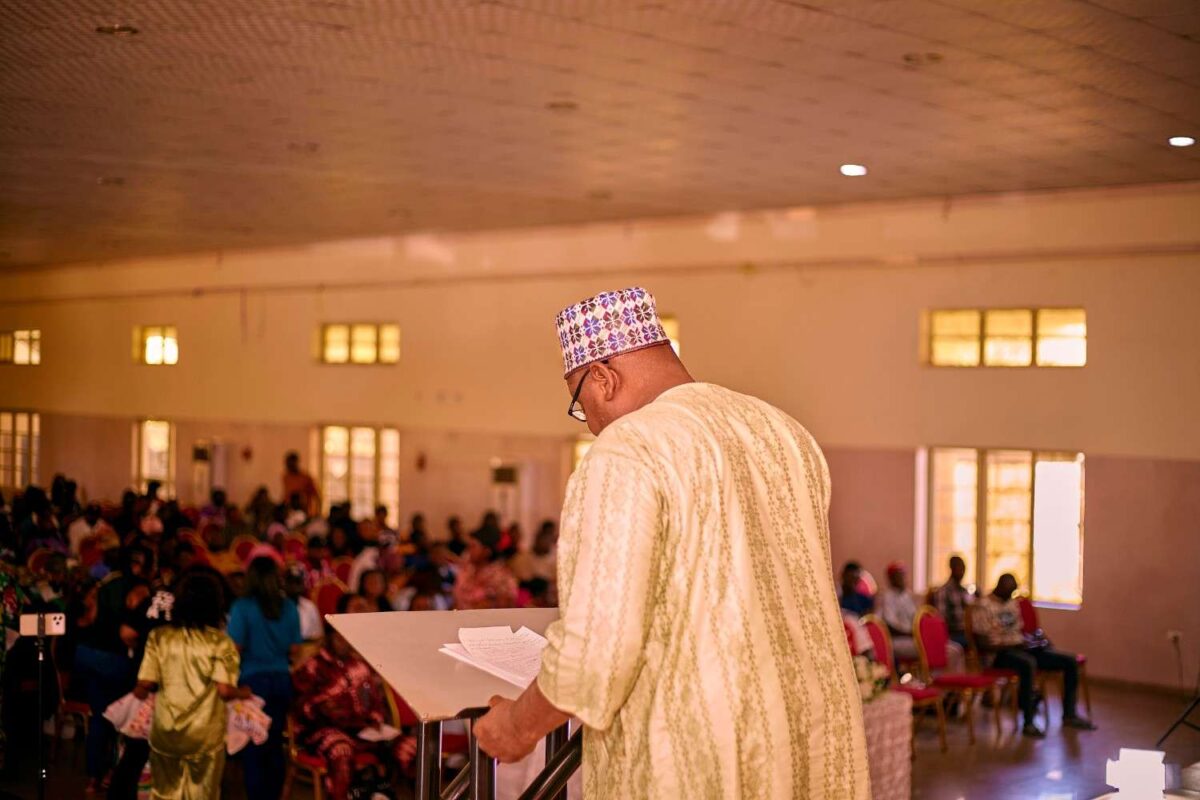
Modern technology makes community energy management more efficient.
Communities can use digital platforms such as SINNTS to organise stakeholder engagement, deliver renewable energy awareness programmes, connect with engineers and energy professionals, share project updates, coordinate training, document project progress, and encourage knowledge exchange between communities implementing similar clean energy initiatives.
Digital collaboration strengthens local capacity while promoting innovation across Nigeria.
Monitoring Performance
Regular monitoring ensures projects continue meeting community needs.
Key indicators include:
- Electricity availability.
- Number of connected households.
- Maintenance response time.
- Revenue collected.
- Equipment performance.
- User satisfaction.
- Community participation.
Continuous evaluation supports timely improvements.
Partnerships That Strengthen Success
Community solar projects succeed through collaboration among:
- Local governments.
- Rural electrification agencies.
- Renewable energy companies.
- Community development associations.
- Financial institutions.
- Universities.
- Technical colleges.
- Civil society organisations.
Each partner contributes expertise that strengthens long-term sustainability.
Looking Ahead
Nigeria’s transition to renewable energy presents an opportunity to expand electricity access while promoting environmental sustainability and community development. Community-owned solar projects demonstrate that local participation, transparent governance, and practical technical training can deliver reliable energy solutions that remain effective for decades.
As technology becomes more affordable and financing models continue to improve, community solar initiatives are likely to become an increasingly important component of Nigeria’s rural development strategy.
Conclusion
Community-owned solar projects represent far more than energy infrastructure—they are investments in education, healthcare, entrepreneurship, environmental sustainability, and local economic growth. By involving communities in planning, governance, financing, and maintenance, these projects create lasting value that extends well beyond electricity generation.
With continued investment in community leadership, technical skills, and digital collaboration through platforms like SINNTS, Nigeria can build resilient clean energy systems that empower communities, strengthen local economies, and support sustainable national development.
