
Understanding the Sickle Cell Disease Burden in Nigerian Communities
Sickle cell disease in Nigeria is not a rare condition — it is a common genetic disorder that affects every ethnic group, every religion, every socioeconomic class, and every geographic region of the country. The condition occurs when a child inherits the sickle cell gene from both parents, causing red blood cells to become misshapen and to block blood vessels — resulting in severe pain crises, anaemia, organ damage, stroke, and in many cases premature death without adequate management.
The broader category of sickle cell trait — carrying one copy of the sickle cell gene without having the disease — affects approximately one in four Nigerians. Two carriers who have children together face a one in four chance with each pregnancy of having a child with sickle cell disease. Community sickle cell awareness programmes that help Nigerians understand their genotype status and the implications for family planning are providing the information that enables informed reproductive decisions — the most powerful preventive intervention available for this condition.
How Community Sickle Cell Screening Programmes Work in Nigeria
Community sickle cell screening programmes in Nigeria use simple, affordable blood tests — the Sickledex screening test and haemoglobin electrophoresis — to determine participants’ sickle cell genotype status. These tests can be performed in field settings by trained community health workers and paramedical staff, without the laboratory infrastructure that the gold-standard haemoglobin electrophoresis test requires in its standard form.
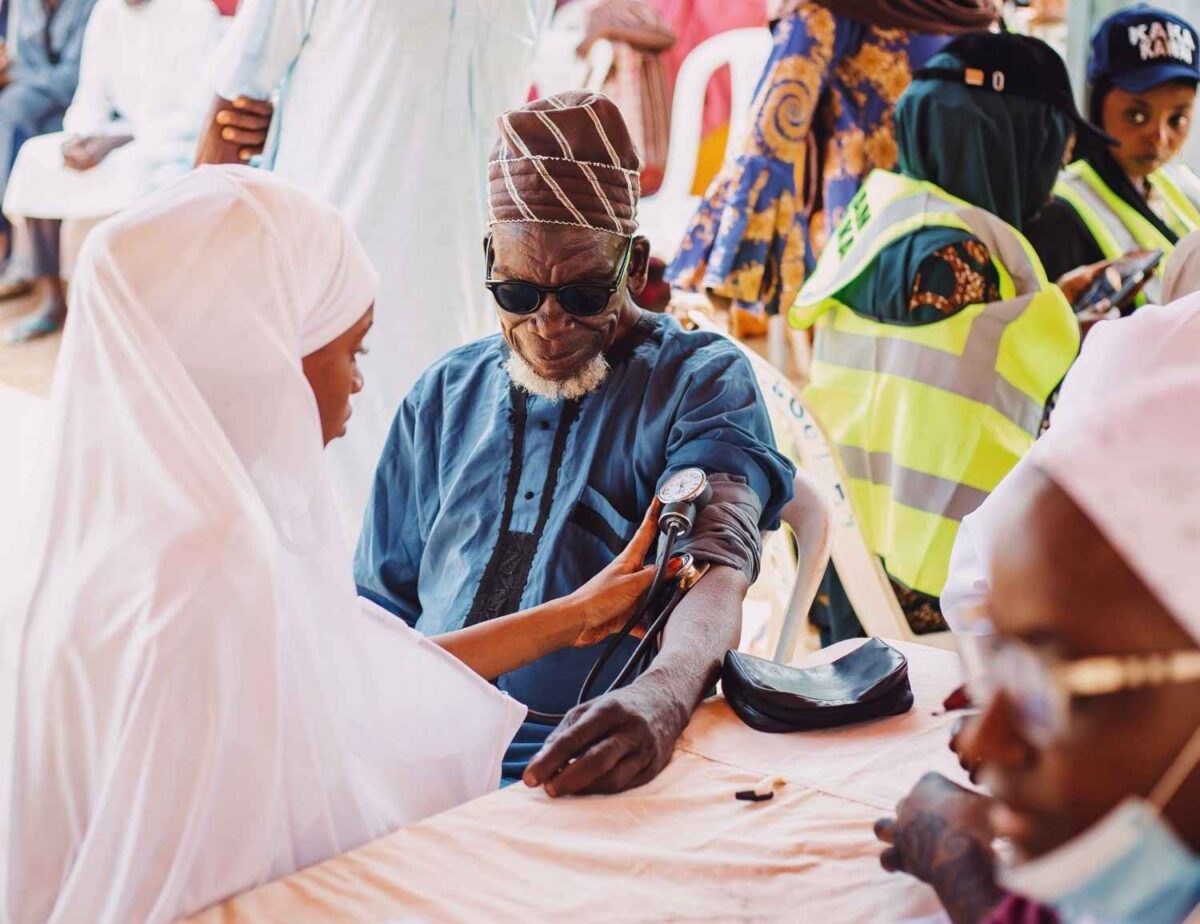
Point-of-care haemoglobin testing devices, increasingly available in Nigerian health settings through the support of organisations like the Sickle Cell Foundation of Nigeria, are making accurate genotype determination accessible in community outreach contexts. Screening events held at schools, churches, mosques, community halls, and healthcare facilities create the accessible testing opportunities that drive high participation rates in communities where there is strong community awareness of why knowing one’s genotype matters.
Genetic Counselling as an Essential Component of Community Sickle Cell Programmes
Sickle cell screening without adequate genetic counselling can cause more harm than good — creating anxiety, stigma, and relationship distress without the context and support needed to process and respond to genotype information constructively. Community sickle cell programmes that integrate trained genetic counsellors — or community health workers trained in sickle cell counselling protocols — with their screening activities ensure that every person who receives their genotype result receives the information, support, and guidance they need.
Genetic counselling in community sickle cell programmes in Nigeria must be culturally sensitive, non-directive, and genuinely supportive of informed decision-making rather than prescriptive about reproductive choices. Counsellors who understand local community norms, language, and cultural attitudes toward genetic conditions are far more effective than those who apply standardised counselling protocols developed in different cultural contexts.
Supporting Sickle Cell Disease Patients in Nigerian Communities
Community awareness programmes that only focus on prevention miss the large population of people already living with sickle cell disease in every Nigerian community. Sickle cell disease patients require ongoing management support that most Nigerian communities are ill-equipped to provide — including access to medications like hydroxyurea that reduce crisis frequency, reliable folic acid supplementation, access to safe blood transfusion when needed, and management guidance for pain crises, infections, and other acute complications.
Community support groups for sickle cell disease patients and their families — providing peer support, management information, and collective advocacy for better sickle cell services — are among the most valuable community-level interventions for improving the quality of life of affected individuals. The Sickle Cell Foundation of Nigeria supports community patient groups across multiple Nigerian states and provides resources for communities seeking to establish support structures for affected members.
Advocacy for Sickle Cell Policy and Services in Nigerian Communities
Community advocacy for better sickle cell services — including newborn screening programmes, affordable access to hydroxyurea, well-equipped sickle cell centres in state hospitals, and genetic counselling services in primary health centres — is an essential complement to community awareness and screening activities. The evidence base for these policy demands is strong: countries that have implemented comprehensive national sickle cell programmes, including Ghana and Jamaica, have demonstrated dramatic reductions in childhood mortality from the condition.
Nigerian communities that document their sickle cell disease burden — the number of affected individuals, the specific service gaps that worsen outcomes, and the economic and social costs of inadequate sickle cell management — create the local evidence that national advocacy requires. Community leaders who raise sickle cell as a public health priority with local government, state health authorities, and federal legislators are amplifying community experience into policy pressure.
