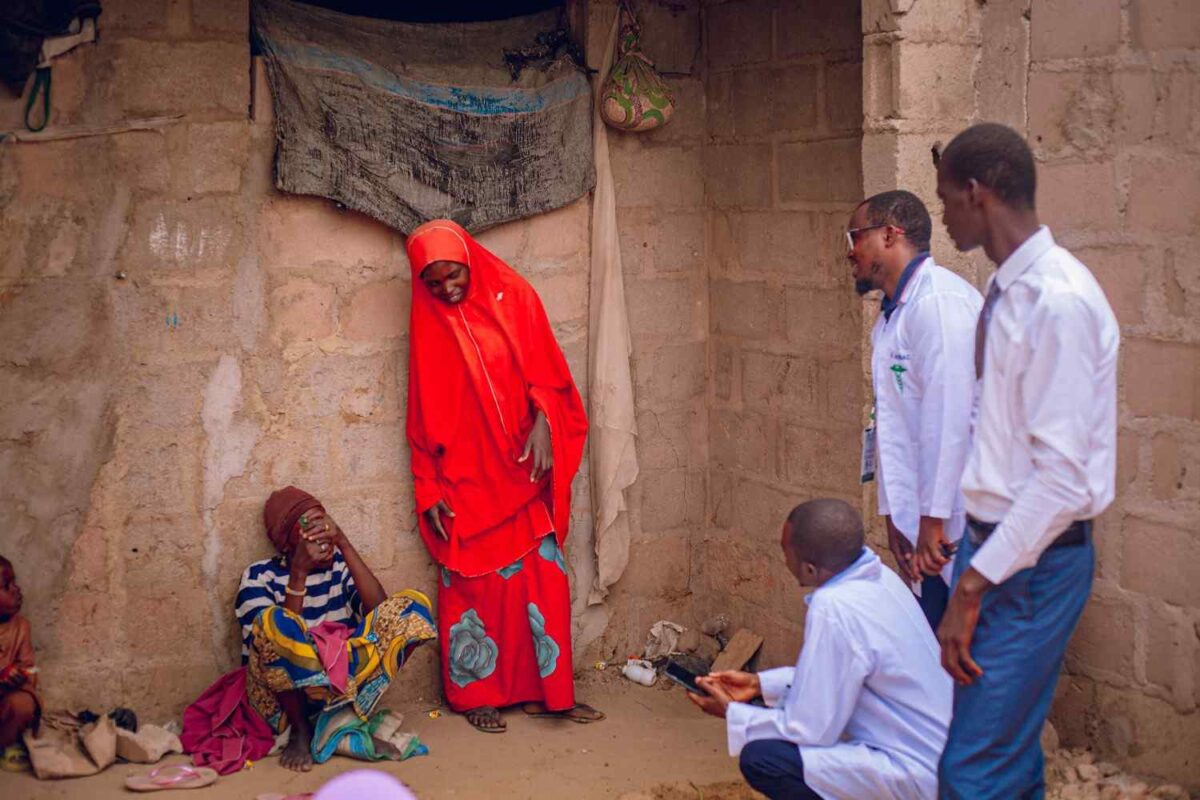
The underdevelopment of evidence-based health policy in Nigeria has structural, institutional, and culture.
Why Evidence-Based Health Policy Is Underdeveloped in Nigeria
Structural Barriers to Evidence-Based Policymaking
Institutional Capacity Gaps in Nigeria’s Health Sector
Structurally, Nigeria’s health policy process lacks the dedicated research translation infrastructure—the institutions, processes, and human capital—that connects health research findings to policy decisions in a timely, accessible, and actionable way. Most Nigerian health policy decisions are made by officials who have neither the time nor the institutional support to review and synthesise the available evidence before committing to a course of action.
The Health Policy Areas Where Evidence-Based Design Would Have the Greatest Impact in Nigeria
Several health policy domains in Nigeria have the clearest evidence base and the largest gap between evidence-informed best practice and current policy, making them the highest-priority targets for evidence-based policy reform.
Primary Health Care Financing
Primary health care financing—the allocation of government health spending between preventive community health services and curative hospital-based services—is consistently misaligned with the evidence on cost-effectiveness. Nigeria’s health expenditure remains heavily weighted toward hospital care that benefits a relatively small proportion of the population compared to community health services that could improve outcomes for the majority.
Maternal Health Policy
Maternal health policy—the package of interventions that evidence has shown to be most effective for reducing maternal mortality—is frequently distorted by infrastructure assumptions and institutional preferences that prioritise facility-based care over community health worker delivery of proven interventions.
Child Nutrition Policy
Child nutrition policy—where the evidence for specific interventions, including community management of acute malnutrition and essential nutrition actions counselling, is among the strongest in global health—is chronically underfunded and underimplemented relative to the scale of need.
How Nigerian States Can Build Evidence-Based Health Policy Capacity
Building evidence-based health policy capacity in Nigerian states requires investment in three complementary dimensions: evidence generation, evidence synthesis, and evidence use.
Evidence Generation
Evidence generation involves ensuring that Nigerian health programmes are systematically evaluated against clear outcome targets and that evaluation findings are published and accessible. This creates the local evidence base that Nigerian health policy should draw upon. Currently, much Nigerian health programme evaluation is conducted by external researchers who publish in international journals that Nigerian policymakers rarely access.
Evidence Synthesis
Evidence synthesis—the work of systematically reviewing, critically appraising, and summarising the available evidence on specific health policy questions—requires dedicated health policy research capacity within state health ministries. This capacity can be developed through employed analysts or through structured partnerships with Nigerian universities and research institutions.
Evidence Use
Evidence use involves creating the institutional processes and cultural norms that ensure evidence is genuinely consulted during policy decisions rather than cited after decisions have already been made. Achieving this requires leadership commitment and governance reforms that begin at the highest levels of health ministry leadership.
Using Health Data and Epidemiology to Guide Policy Priorities in Nigeria
Health data—the systematic measurement of disease burden, health service coverage, health system performance, and population health outcomes—is the empirical foundation of evidence-based health policy.
The Importance of Health Data in Policymaking
Nigerian health policymakers who understand how to use data from the National Demographic and Health Survey, the Multiple Indicator Cluster Survey, National Bureau of Statistics health reports, and state health management information systems are better equipped to make resource allocation decisions based on need and expected impact.
Key Sources of Health Data in Nigeria
Important sources of health data include national surveys, administrative health records, disease surveillance systems, hospital records, and state-level health information management systems. Together, these datasets provide a comprehensive picture of population health and health system performance.
Overcoming Data Use Capacity Challenges
Nigeria’s health policymakers face a specific challenge in applying international health evidence to local contexts. Much of the global evidence base is generated in high-income countries or in other African countries with different epidemiological, demographic, and health system characteristics.
The analytical challenge for Nigerian health policymakers is not primarily a lack of data. More health data exists for Nigeria today than at any previous point in history. The real challenge is developing the capacity to interpret and use that data effectively. Health ministry analysts who can translate complex epidemiological findings into clear policy implications, communicate uncertainty appropriately, and distinguish actionable insights from background noise are among the most valuable resources available to any state health ministry.
International Evidence and Its Appropriate Application to Nigerian Health Policy
Challenges of Applying International Health Evidence in Nigeria
Policies that succeed elsewhere may not automatically produce similar outcomes in Nigeria due to differences in healthcare infrastructure, governance capacity, disease patterns, cultural norms, and resource availability.
Adapting Global Evidence to Local Contexts
Adapting international evidence requires understanding the conditions under which that evidence was generated, including health system characteristics, population demographics, and implementation environments. Policymakers must critically assess whether findings can be transferred directly or require modification to suit Nigerian realities.
The Growing Role of Nigerian Health Research Institutions
The growing body of health research conducted in Nigeria provides locally generated evidence that is often more directly applicable to Nigerian policy challenges. Research institutions such as the University of Ibadan Institute for Advanced Medical Research and Training, the Nigerian Institute of Medical Research, the African Population and Health Research Center, and federal and state teaching hospitals are increasingly contributing valuable evidence for policymaking without the contextual translation challenges associated with international studies.
Conclusion
Strengthening Evidence-Based Health Policy for Better Health Outcomes
Evidence-based policy design offers Nigerian states a practical pathway to improving health outcomes, increasing the efficiency of public spending, and strengthening health system performance. By investing in evidence generation, evidence synthesis, and evidence use, state governments can ensure that health policies are guided by what works rather than by assumptions, political pressures, or institutional habits. As Nigeria continues to face significant health challenges, the systematic use of high-quality evidence will be essential for achieving better health outcomes and delivering more effective healthcare services to citizens across the country.