Understanding Clean Water Technology Solutions for Nigerian Communities
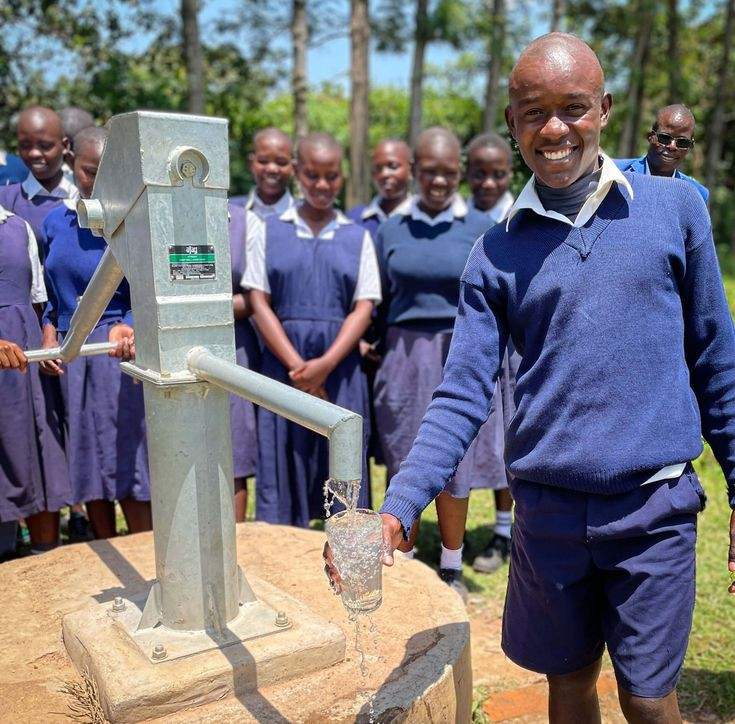
Clean water technology encompasses a range of proven solutions appropriate for different Nigerian community contexts. Solar-powered boreholes with mechanised pumping systems eliminate the physical labour of manual water extraction and ensure reliable water access regardless of seasonal variation. Household-level ceramic filtration systems — affordable, locally manufactured, and effective against most biological contaminants — provide safe drinking water without electricity or complex maintenance. Community-scale water treatment plants using slow-sand filtration and chlorination produce safe water for hundreds of households from surface sources that would otherwise be unsafe.
The selection of appropriate clean water technology for any Nigerian community must consider the water source available, the community’s financial and technical capacity for maintenance, the number of households to be served, and the sustainability of any external inputs like electricity, chemicals, or replacement parts. Communities that match technology to their actual conditions achieve far better long-term outcomes than those that adopt the most sophisticated technology available without considering local constraints.
The Importance of Water Quality Testing
Water quality testing — using affordable field test kits that can detect the most common biological and chemical contaminants — is an essential companion to any clean water technology implementation. Regular testing builds community confidence in the safety of the water supply and provides early warning of system failures before they cause health impacts. Community water quality monitors — trained volunteers who conduct regular tests and report results — are an effective and low-cost approach to ongoing water safety assurance.
Building Sustainable Community Ownership of Water Systems
The sustainability of clean water technology in Nigerian communities depends fundamentally on community ownership — not just in a rhetorical sense but in a practical, legal, and financial sense. Communities that establish a water user committee with clear governance rules, a dedicated maintenance fund built from user fees, a trained maintenance team, and a documented system of records and accounts sustain their water systems far more reliably than those that treat water infrastructure as a government or donor asset that will be repaired externally when it fails.
Advocacy and Long-Term Water Access Sustainability
Advocacy for clean water access as a constitutional right and a development priority must accompany community-level action. Nigerian communities that document their water situation, track health outcomes linked to water quality, and present this evidence to local government authorities, state legislators, and federal programme managers are more likely to access the complementary government investment that makes community clean water initiatives truly sustainable at scale.