
Nigeria’s rapidly growing cities are facing an increasingly visible challenge: waste.
From blocked drainage channels and overflowing waste bins to plastic pollution and illegal dumping, poor waste management can affect public health, the environment, transportation, and the overall appearance of communities.
As urban populations continue to grow, traditional waste collection methods may not be enough. Technology is creating new opportunities to make waste management more organised, efficient, and responsive.
The Growing Waste Challenge
Every day, households, businesses, markets, restaurants, schools, and industries generate large quantities of waste.
When waste is not properly collected and disposed of, it can accumulate in streets, drainage systems, waterways, and vacant spaces.
During heavy rainfall, blocked drainage channels can contribute to flooding. Improperly managed waste can also create unpleasant environments and increase exposure to environmental hazards.
The solution requires more than simply providing additional waste bins. Cities need systems that can monitor waste generation, improve collection, encourage recycling, and involve citizens.
Smart Waste Collection
Technology can help waste management agencies understand where waste is accumulating.
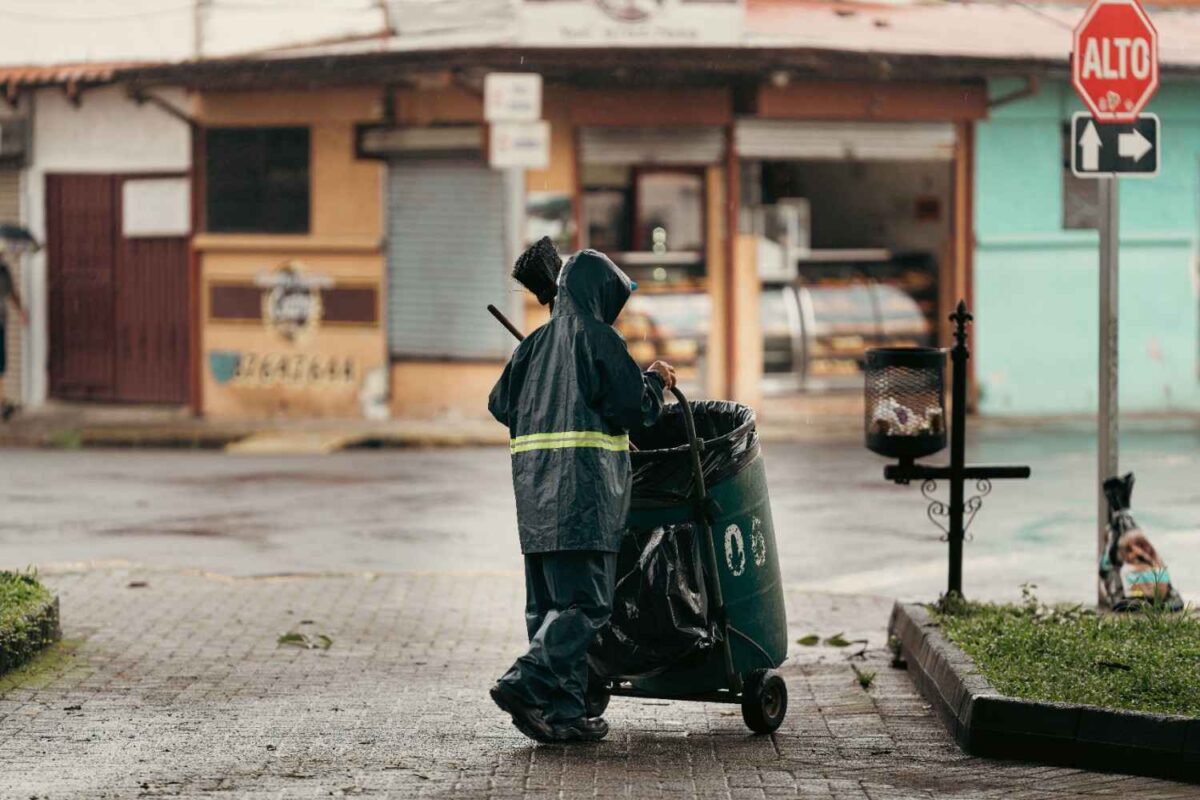
Sensors, GPS-enabled vehicles, mobile applications, and digital reporting platforms can provide information about collection routes and service needs.
Instead of sending collection trucks on fixed routes regardless of demand, operators could use data to prioritise locations requiring immediate attention.
This could reduce unnecessary journeys and improve operational efficiency.
Digital Mapping of Waste Hotspots
GIS technology can be used to map illegal dumping sites, overflowing collection points, recycling centres, and areas with frequent waste complaints.
A digital map can help authorities identify patterns.
For example, if a particular neighbourhood repeatedly reports overflowing bins, officials can investigate whether the problem is caused by insufficient collection frequency, inadequate bin capacity, rapid population growth, or another factor.
Data can turn isolated complaints into evidence for planning.
Mobile Platforms for Citizen Reporting
Residents are often the first people to notice environmental problems.
A simple digital reporting system could allow citizens to report:
- Illegal dumping
- Overflowing bins
- Uncollected waste
- Blocked drainage
- Abandoned waste sites
- Environmental hazards
Reports could include photographs and location information.
This would give waste management agencies another source of information while encouraging residents to participate in keeping their communities clean.
Technology and Recycling
Recycling is an important part of modern waste management.
Digital platforms can help connect households and businesses with recycling organisations and collection services.
Residents could potentially request collection of recyclable materials such as:
- Plastic
- Paper
- Glass
- Metal
- Electronic waste
Digital systems could also help recycling businesses track collection volumes and identify areas where recyclable materials are readily available.
Creating Opportunities for Young Entrepreneurs
Waste management is not only an environmental issue. It can also create economic opportunities.
Young entrepreneurs can build businesses around:
- Recycling
- Waste collection
- Composting
- Waste sorting
- Reusable products
- Environmental education
- Waste logistics
- Digital environmental services
Technology can help these businesses find customers, manage operations, receive payments, and track their activities.
Digital Payments for Waste Services
Where residents or businesses pay for waste collection services, electronic payment systems can make transactions easier to track.
Digital receipts can provide customers with payment records while helping service providers monitor collections.
This can reduce dependence on cash and improve financial accountability.
Data Can Improve City Planning
Waste data can provide useful information beyond sanitation.
Patterns in waste generation can help cities understand population density, commercial activity, consumption patterns, and infrastructure needs.
For example, areas generating large quantities of waste may require different collection arrangements from residential neighbourhoods with lower waste volumes.
This makes waste management part of broader urban planning.
The Human Side of Waste Management
Technology cannot solve the waste problem by itself.
Residents still need to dispose of waste responsibly.
Businesses need to comply with environmental requirements.
Waste workers need appropriate equipment and protection.
Government agencies need effective enforcement.
Communities need education.
Technology becomes most effective when it supports these human and institutional efforts.
Building a Culture of Responsible Waste Disposal
Long-term improvement requires behavioural change.
Schools, religious organisations, community groups, businesses, and local authorities can use digital media and community campaigns to educate residents about proper waste disposal.
Short videos, social media campaigns, local-language messages, and community challenges can make environmental education more engaging.
What Nigerian Cities Can Do
Cities seeking to modernise waste management can begin with practical steps:
- Map major waste collection points and illegal dumping locations.
- Create simple channels for residents to report waste problems.
- Digitise collection schedules and routes.
- Use data to identify areas requiring more frequent collection.
- Support recycling businesses and community initiatives.
- Introduce transparent digital payment systems where appropriate.
- Track performance using measurable indicators.
- Combine technology with environmental education and enforcement.
Conclusion
Cleaner cities will not be created by technology alone. They require responsible citizens, effective waste management organisations, committed workers, appropriate infrastructure, and strong environmental policies.
However, digital tools can make these efforts more coordinated and measurable.
By combining digital mapping, smart collection systems, citizen reporting, recycling platforms, data analysis, and public education, Nigerian cities can move towards waste management systems that are more efficient, transparent, and environmentally responsible.
A cleaner city begins with individual choices, but technology can help communities and governments turn those choices into a coordinated system of action.
