
Introduction
Many of the illnesses that affect Nigerian communities every year are preventable.
Diseases such as malaria, diarrhoeal infections, hypertension, diabetes, cholera, respiratory infections, and vaccine-preventable childhood illnesses continue to place enormous pressure on families and healthcare facilities. While access to quality healthcare remains essential, preventing disease before it occurs is often the most effective and affordable solution.
This is where grassroots health education plays a vital role.
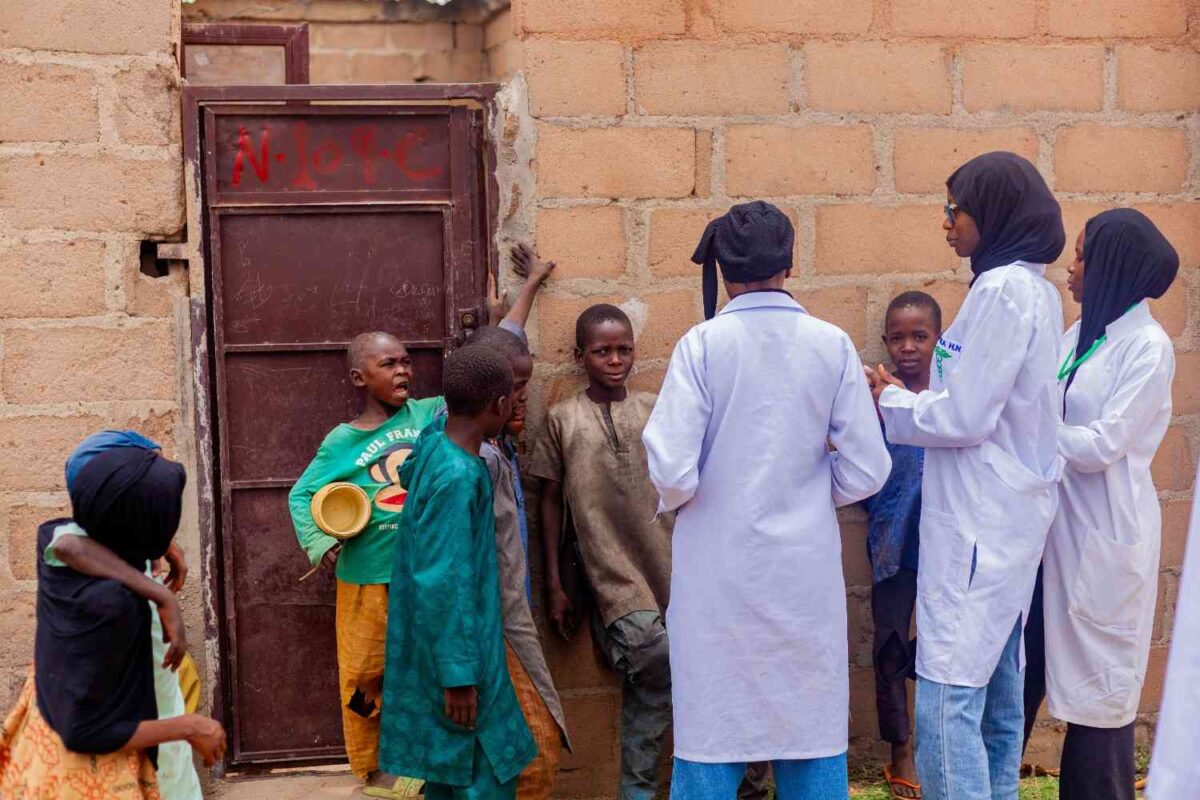
By delivering accurate health information through trusted community structures, grassroots education empowers individuals and families to make informed decisions that improve health outcomes. Across Nigeria, community health workers, religious institutions, schools, traditional leaders, women’s associations, youth groups, and civil society organisations are helping communities adopt healthier behaviours that reduce preventable illness.
Health education is saving lives—one conversation at a time.
What Is Grassroots Health Education?
Grassroots health education refers to health awareness activities that take place within communities using trusted local channels.
Instead of relying only on hospitals or government campaigns, health information is shared where people live, work, worship, trade, and gather.
This includes:
- Community meetings
- Schools
- Religious centres
- Markets
- Women’s groups
- Youth organisations
- Traditional institutions
- Door-to-door visits
- Local radio programmes
- Social media platforms
People are often more receptive when health messages come from individuals they know and trust.
Why Community-Based Health Education Works
Community members understand their own realities better than anyone else.
Health education delivered in local languages, supported by cultural understanding, and connected to everyday experiences is easier to understand and more likely to influence behaviour.
Grassroots education also allows questions, discussions, and clarification, helping to correct myths and misinformation that may prevent people from seeking appropriate healthcare.
Trust strengthens learning.
Knowledge leads to healthier choices.
Preventing Common Diseases
Health education helps communities reduce the spread of preventable diseases by promoting practical actions such as:
- Sleeping under insecticide-treated mosquito nets.
- Washing hands with soap.
- Drinking safe water.
- Maintaining proper sanitation.
- Completing routine immunisation schedules.
- Eating balanced diets.
- Exercising regularly.
- Monitoring blood pressure.
- Seeking early medical care when symptoms appear.
Simple habits can prevent serious illness.
Supporting Maternal and Child Health
Grassroots education has significantly improved maternal and child health awareness in many communities.
Pregnant women receive information about antenatal care, safe delivery, nutrition, breastfeeding, newborn care, and immunisation.
Parents also learn how to recognise danger signs that require immediate medical attention.
Healthy mothers contribute to healthier children.
Early education protects families.
Combating Health Misinformation
False health information spreads quickly, especially through informal communication channels.
Community health educators help correct misconceptions about vaccines, nutrition, infectious diseases, reproductive health, and chronic illnesses using evidence-based information that people can understand.
When trusted local leaders reinforce accurate messages, communities become more confident in making informed health decisions.
Reliable information saves lives.
Empowering Community Health Workers
Community health workers remain the foundation of grassroots health education.
They conduct home visits, organise health talks, monitor child growth, provide nutrition counselling, support disease prevention campaigns, and connect families with healthcare facilities.
Continuous training equips them with updated knowledge that benefits entire communities.
Investing in community health workers strengthens primary healthcare systems.
Using Digital Technology for Health Education
Digital technology is expanding the reach of community health education across Nigeria.
Smartphones, messaging platforms, educational videos, online workshops, and social media campaigns allow health information to reach larger audiences quickly.
Even in rural communities, mobile technology is becoming an effective tool for sharing health tips, disease prevention messages, and emergency public health updates.
Technology complements face-to-face community engagement.
The Role of SINNTS in Community Health Education
Knowledge-sharing platforms such as SINNTS are helping bridge the gap between health professionals and communities by making educational content more accessible.
Healthcare professionals, nutritionists, public health experts, researchers, educators, and community development practitioners can use SINNTS to publish practical health articles, organise virtual learning sessions, share preventive health information, and collaborate on community health initiatives.
Communities also benefit from access to reliable educational resources covering disease prevention, maternal health, nutrition, sanitation, mental health, healthy living, and public health awareness.
By encouraging continuous learning and collaboration, SINNTS supports healthier communities through accessible digital education and knowledge exchange.
When knowledge reaches more people, healthier communities emerge.
Building Sustainable Health Education Programmes
Effective health education should be continuous rather than occasional.
Communities can strengthen long-term impact by:
- Training volunteer health educators.
- Establishing health clubs.
- Organising regular awareness campaigns.
- Partnering with healthcare facilities.
- Supporting school health programmes.
- Involving religious and traditional leaders.
- Monitoring health education outcomes.
Sustained education creates lasting behavioural change.
Healthy habits become part of everyday life.
Looking Ahead
Nigeria’s growing population makes preventive healthcare increasingly important.
Communities that invest in health education today reduce future healthcare costs, improve productivity, strengthen family wellbeing, and contribute to national development.
Every informed individual becomes an ambassador for healthier living.
Education remains one of the most powerful public health interventions.
Conclusion
Grassroots health education is transforming Nigerian communities by reducing preventable diseases through awareness, community participation, and practical behaviour change.
By combining trusted local leadership, community health workers, continuous education, and digital innovation, communities can prevent illness before it occurs and improve overall quality of life.
Platforms such as SINNTS further strengthen these efforts by connecting health experts, educators, and communities through accessible digital learning and knowledge sharing, ensuring that accurate health information reaches more people across Nigeria.
A healthier Nigeria begins with informed communities, and informed communities begin with effective grassroots health education.
