
Why Nutrition Education Must Focus on Behaviour Change
Nutrition education is often assumed to be a matter of providing information. In practice, however, the most effective nutrition programmes achieve something far more important: they change behaviour.
For community health workers in rural Nigeria, success is not measured by how much nutrition knowledge community members can repeat. It is measured by whether families adopt healthier feeding practices, improve dietary diversity, and make better use of the foods available within their local environment.
This distinction matters because information alone rarely changes behaviour. Effective nutrition education focuses on practical actions that families can implement using resources that are accessible and affordable in their communities.
When nutrition messages are directly connected to everyday realities, they are far more likely to translate into lasting improvements in health outcomes.
Making Nutrition Advice Relevant to Local Communities
One of the most common challenges in nutrition education is the gap between recommendations and reality.
General advice about balanced diets often fails to produce meaningful change when it does not reflect local food availability, cultural practices, or household economic circumstances.
The most effective community health workers therefore tailor nutrition messages to the local context.
This means helping families understand:
- Which nutritious foods are available locally
- How to prepare balanced meals using affordable ingredients
- How to improve child feeding practices with existing household resources
- How to make healthier food choices within their economic constraints
By focusing on realistic and achievable actions, community health workers make nutrition education more practical and impactful.
The Role of Essential Nutrition Actions
Nigeria’s community nutrition programmes increasingly rely on the Essential Nutrition Actions framework, which provides a structured approach to promoting priority nutrition behaviours across key stages of life.
Rather than overwhelming families with large volumes of information, the framework focuses attention on the behaviours that have the greatest influence on maternal and child nutrition outcomes.
Key life stages include:
- Pregnancy
- Infancy
- The complementary feeding period
- Early childhood
This targeted approach enables community health workers to deliver consistent, evidence-based messages that address the most critical nutrition needs at each stage of development.
By concentrating on a manageable set of high-impact behaviours, the framework improves both message quality and programme effectiveness.
Why Counselling Skills Matter as Much as Nutrition Knowledge
Strong technical knowledge alone does not guarantee effective nutrition education.
The ability to communicate with families in a supportive, respectful, and engaging manner is equally important.
Community health workers who use structured counselling approaches often achieve better outcomes than those who rely solely on information delivery.
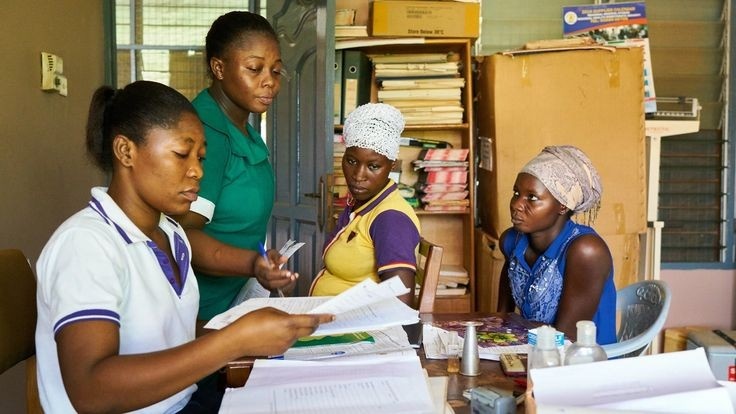
One widely used method is the Counselling Cards approach, which uses illustrated visual aids to guide discussions with caregivers. These tools help ensure that key messages are delivered consistently while making information easier to understand regardless of literacy level.
Effective counselling also incorporates techniques that encourage participation and problem-solving rather than one-way instruction.
Health workers who listen carefully, acknowledge existing positive practices, and work collaboratively with families to overcome challenges are often more successful in supporting sustainable behaviour change.
The Power of Demonstration Cooking Sessions
Among the most effective nutrition education strategies are practical cooking demonstrations.
These sessions allow community health workers to prepare nutritious meals using ingredients that are readily available within the community while explaining their nutritional benefits.
The advantages of demonstration-based learning are significant.
Participants can:
- Observe healthy cooking techniques
- Learn new recipes
- Understand appropriate food combinations
- Build confidence in preparing nutritious meals
- Ask questions in real time
Most importantly, cooking demonstrations transform nutrition education from abstract advice into practical skills that families can immediately apply.
Communities that regularly organize demonstration sessions often report higher rates of dietary improvement than those relying exclusively on verbal counselling.
Building Social Support for Better Nutrition
Nutrition behaviours are strongly influenced by social norms and community practices.
Cooking demonstrations and group education sessions create opportunities for peer learning and mutual support.
When community members learn together, they are more likely to:
- Share experiences and solutions
- Encourage one another to adopt healthier habits
- Reinforce positive behaviours within households
- Establish new community norms around nutrition
This social dimension helps sustain improvements long after individual education sessions have ended.
Measuring Whether Nutrition Education Is Working
Effective nutrition programmes require simple and practical methods for tracking progress.
Community health workers need monitoring systems that are feasible to implement within routine community health activities and that provide meaningful insights into nutritional outcomes.
One of the most important tools is regular growth monitoring.
By measuring and recording the weight and growth of children under five years of age, health workers can identify nutritional challenges early and assess whether community nutrition efforts are producing positive results.
Growth monitoring also provides an opportunity for direct discussion with caregivers about a child’s nutritional progress and any adjustments that may be needed.
Tracking Key Nutrition Behaviours
In addition to monitoring child growth, community health workers can assess programme effectiveness by tracking the adoption of key nutrition practices.
Examples include:
- Exclusive breastfeeding during the first six months of life
- Appropriate complementary feeding practices
- Dietary diversity among young children
- Iron and folic acid supplementation during pregnancy
- Attendance at nutrition education sessions
Simple community surveys and routine household visits can provide valuable information about whether education efforts are translating into behavioural change.
Looking Ahead
Improving nutrition outcomes in rural Nigeria requires more than distributing information. It requires helping families adopt practical behaviours that support healthier lives.
The most successful nutrition education programmes combine evidence-based messages, effective counselling techniques, practical demonstrations, and ongoing community engagement.
Community health workers remain at the centre of this effort. Their ability to translate nutrition science into simple, relevant, and actionable guidance determines whether knowledge becomes meaningful change.
As Nigeria continues to address the challenges of malnutrition, maternal health, and child development, investing in behaviour-centred nutrition education offers one of the most effective pathways to lasting improvement in community health and wellbeing.
