
Why Effective Vaccination Scheduling Matters
Immunisation remains one of the most effective public health interventions available to protect children from preventable diseases. In Nigeria, community health workers play a vital role in ensuring that children receive vaccines at the right time and complete the full immunisation schedule required for lifelong protection.
While vaccine availability is essential, achieving high immunisation coverage depends equally on effective scheduling, community engagement, follow-up systems, and proper vaccine management. Successful vaccination programmes are built not only on supplying vaccines but also on ensuring that every eligible child receives them according to schedule.
Understanding Nigeria’s National Immunisation Schedule
The foundation of every successful immunisation programme is a thorough understanding of the national vaccination schedule.
Community health workers must be familiar with the vaccines recommended for Nigerian children, including protection against diseases such as:
- Polio
- Measles
- Hepatitis B
- Yellow fever
- Pneumococcal disease
- Meningitis and other vaccine-preventable illnesses
Beyond knowing which vaccines are required, health workers must understand the correct timing of each dose, the minimum intervals between doses, circumstances that may require postponement, and catch-up schedules for children who miss appointments.
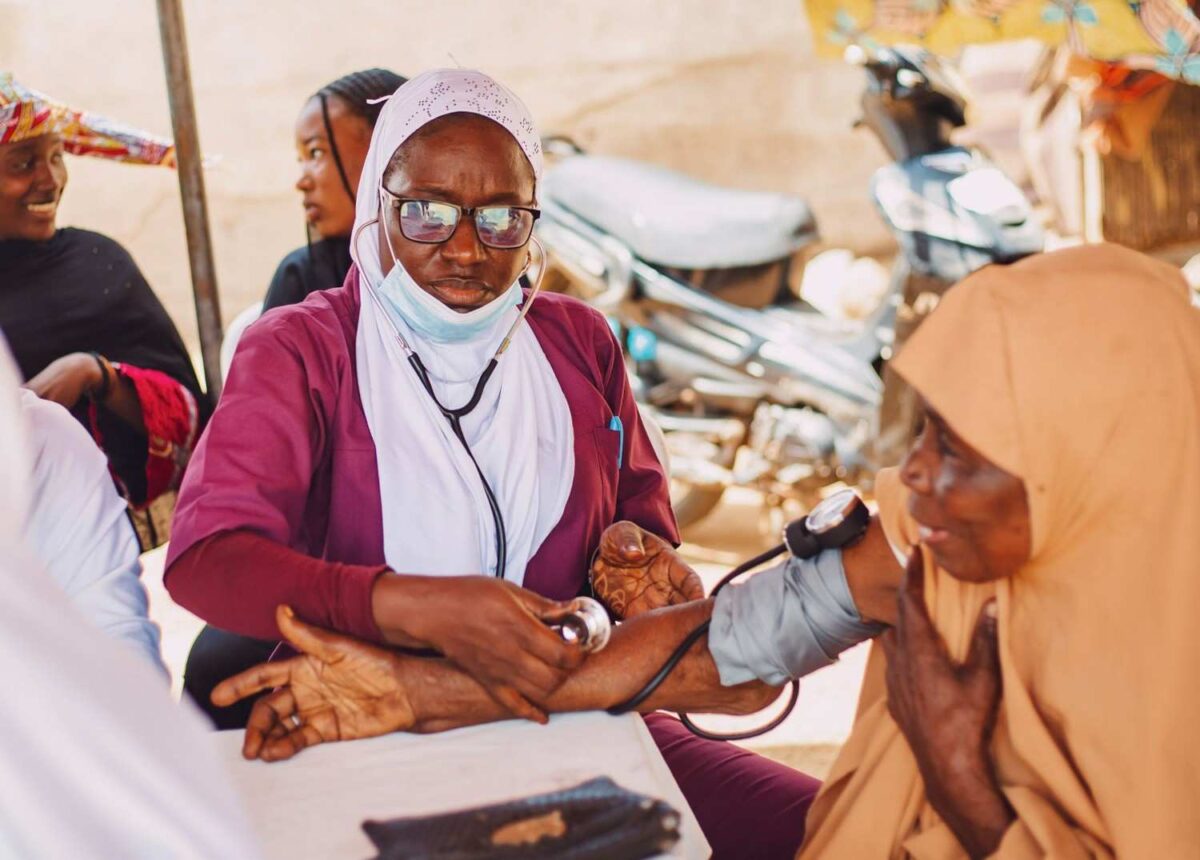
Accurate scheduling ensures that children receive maximum protection at the stages of life when they are most vulnerable to disease.
Tracking Defaulters to Prevent Missed Vaccinations
One of the most effective strategies used by community health workers is systematic default tracking.
Children who begin an immunisation schedule but fail to return for subsequent doses are at increased risk because partial vaccination often does not provide complete protection. Identifying and following up with these children is therefore a critical component of immunisation outreach.
Successful programmes maintain detailed community immunisation registers that record:
- Child’s name
- Date of birth
- Vaccines received
- Dates administered
- Next scheduled vaccination date
- Caregiver contact information where available
These records allow health workers to identify children who have missed appointments and conduct targeted follow-up visits, phone calls, or community outreach efforts to bring them back into the immunisation programme.
Community Mobilisation Creates Demand for Vaccination
Vaccination coverage is influenced not only by service availability but also by community acceptance and participation.
Community health workers who actively engage local leaders often achieve significantly higher attendance at immunisation sessions than those who rely solely on public announcements.
Effective community mobilisation involves collaboration with:
- Religious leaders
- Traditional rulers
- Women’s groups
- Community elders
- Traditional birth attendants
- Youth organisations
These trusted community voices help communicate the importance of vaccination and encourage parents to attend scheduled sessions.
Addressing vaccine hesitancy is equally important. Community health workers must be prepared to listen respectfully to concerns and provide accurate information about vaccine safety, effectiveness, side effects, and religious considerations. Trust-building remains one of the most powerful tools for improving immunisation uptake.
Maintaining the Cold Chain for Vaccine Effectiveness
Even the best vaccination schedule cannot protect children if vaccines lose their potency before administration.
Cold chain management—the process of maintaining vaccines at recommended temperatures from storage to administration—is a non-negotiable requirement of every immunisation programme.
Community health workers must understand:
- Temperature requirements for different vaccines
- Proper use of vaccine carriers
- Safe storage procedures
- Maximum allowable exposure times outside refrigeration
- Interpretation of vaccine vial monitors
- Conditions requiring vaccine disposal
A vaccine that has been compromised by improper storage may fail to provide protection, making cold chain management just as important as the scheduling process itself.
Integrating Immunisation with Other Child Health Services
Another practical strategy for improving vaccination coverage is integrating immunisation services with other maternal and child health interventions.
Families are more likely to access services when multiple health needs can be addressed during a single visit.
Community health workers increasingly combine vaccination activities with:
- Antenatal care services
- Postnatal follow-up visits
- Growth monitoring programmes
- Nutrition counselling
- Child wellness checks
- Health education sessions
This integrated approach increases contact opportunities between health workers and families while reducing the time, travel costs, and logistical challenges that often prevent caregivers from attending multiple appointments.
Building Stronger Community Immunisation Systems
Sustainable improvements in immunisation coverage depend on strengthening the systems that support vaccination delivery.
Effective community immunisation programmes combine several key elements:
- Accurate vaccination scheduling
- Reliable record keeping
- Defaulter tracking and follow-up
- Community mobilisation and education
- Strong cold chain management
- Integration with broader health services
When these components work together, communities are better able to ensure that every child receives the full protection that vaccination provides.
Looking Ahead
Nigeria has made significant progress in expanding access to life-saving vaccines, but maintaining and improving immunisation coverage requires continuous effort at the community level.
Community health workers remain at the centre of this effort. Their ability to track children, engage families, manage vaccine logistics, and deliver services consistently often determines whether vaccination programmes succeed or fall short.
Practical scheduling strategies, combined with strong community engagement and effective health system support, can help ensure that more Nigerian children receive the protection they need to grow up healthy and free from vaccine-preventable diseases.
