
Sickle cell disorder remains an important public health concern in Nigeria, affecting individuals, families, and communities across the country. Beyond the medical challenges associated with the condition, many families face limited access to information, screening services, genetic counselling, and appropriate healthcare.
One of the most effective ways to address these challenges is to take awareness and early detection services closer to the people.
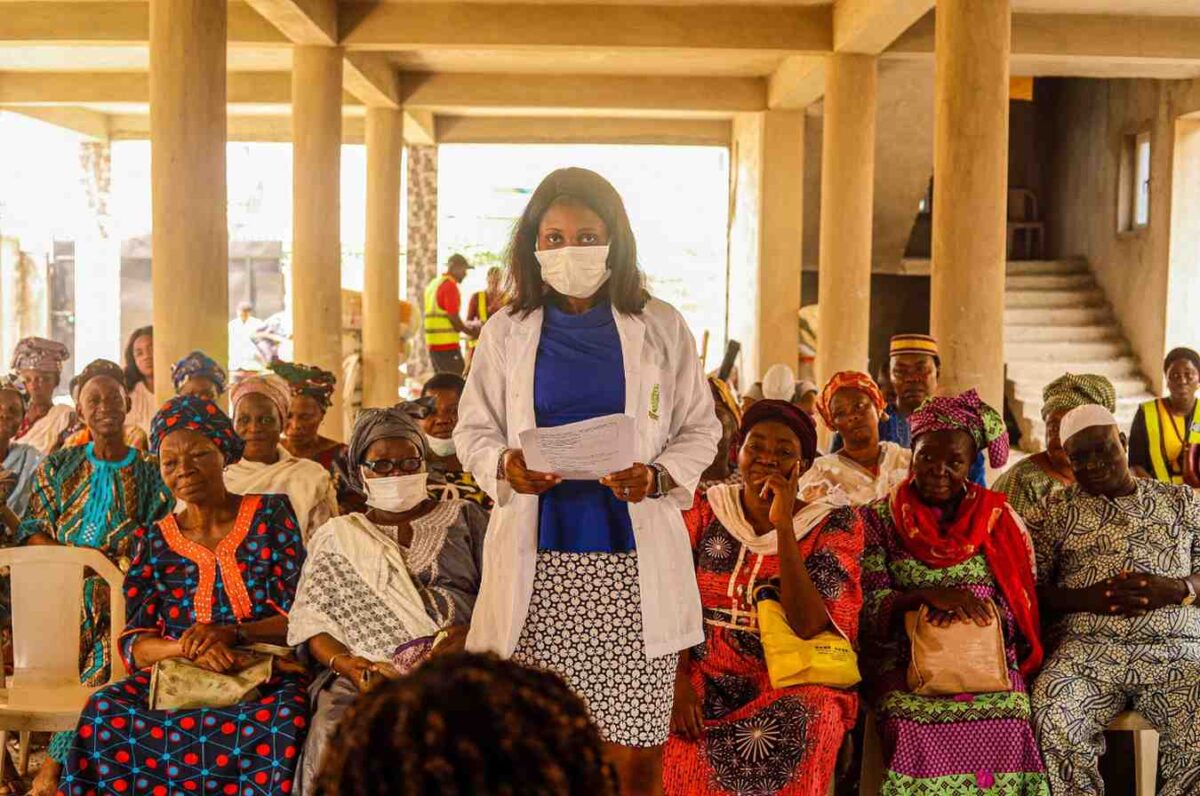
Community-based sickle cell awareness programmes are increasingly helping Nigerians understand the condition, recognise the importance of screening, and make informed decisions about their health and family planning.
Understanding Sickle Cell Disorder
Sickle cell disorder is an inherited blood disorder that affects haemoglobin, the protein responsible for carrying oxygen throughout the body. People inherit the condition through genes passed from their parents.
Because it is inherited, a person’s haemoglobin genotype can provide important information about their risk of having a child with sickle cell disorder.
However, many people do not know their genotype until they undergo testing. This is one reason why community education and accessible screening programmes are so important.
Why Early Detection Matters
Early detection can help families understand their health status and seek appropriate medical guidance.
For children living with sickle cell disorder, early identification can support timely access to appropriate healthcare and help parents and caregivers recognise potential complications.
For adolescents and adults, knowing one’s haemoglobin genotype can provide valuable information for health and reproductive decision-making.
Early detection therefore goes beyond simply identifying a condition. It can create an opportunity for education, counselling, appropriate healthcare, and long-term planning.
Taking Awareness to the Community
Traditional health campaigns often depend on people visiting hospitals or health centres to obtain information. Community-based programmes reverse this approach by taking education and screening opportunities directly to communities.
Health workers, community organisations, schools, religious groups, youth associations, and local leaders can all play important roles in spreading accurate information.
Community outreach activities may include:
- Public awareness campaigns
- Genotype education
- Screening referrals
- Health talks in schools
- Community meetings
- Genetic counselling
- Radio and social media campaigns
- Distribution of educational materials
- Engagement with parents and young people
By meeting people where they live, study, worship, and work, these programmes can reach individuals who may otherwise have limited contact with formal healthcare services.
The Role of Schools and Young People
Schools provide an important opportunity for sickle cell education because young people can learn about inherited blood disorders before making major reproductive decisions.
Age-appropriate educational programmes can teach students about:
- What sickle cell disorder is
- How inherited conditions work
- The importance of knowing one’s genotype
- The difference between awareness and stigma
- Where to obtain reliable testing and medical advice
Young people who receive accurate information can also become sources of knowledge within their families and communities.
Community Leaders Can Make a Difference
Community leaders are often trusted sources of information. Traditional rulers, religious leaders, teachers, youth leaders, and community health workers can help encourage people to participate in awareness and screening programmes.
Their involvement can also help address myths and misconceptions surrounding sickle cell disorder.
When respected community figures support evidence-based health education, people may be more willing to ask questions, seek screening, and discuss the condition openly.
Digital Technology Is Expanding the Reach of Awareness
Technology is creating new opportunities for community-based health education.
Social media platforms, mobile messaging, online campaigns, digital educational materials, and community information systems can help health organisations reach larger audiences at relatively low cost.
Digital platforms can also support appointment reminders, referral information, campaign registration, educational videos, and follow-up communication.
However, digital campaigns should complement—not replace—access to qualified healthcare professionals and appropriate laboratory testing.
Moving from Awareness to Action
Awareness alone is not enough.
A successful community-based sickle cell programme should create a clear pathway from information to action.
For example:
Awareness → Education → Screening → Counselling → Appropriate Referral → Follow-up
This approach ensures that people who learn about sickle cell disorder also know what steps they can take afterwards.
Screening should be conducted through appropriate healthcare or laboratory services, with qualified professionals available to explain results and provide appropriate counselling.
Reducing Stigma Through Better Information
Misinformation can contribute to stigma and discrimination against people living with sickle cell disorder.
Some communities may have misconceptions about the causes of the condition or wrongly associate it with supernatural explanations.
Evidence-based community education can challenge these misconceptions and replace fear with understanding.
People living with sickle cell disorder should be treated with dignity and supported rather than blamed for an inherited condition.
Strengthening Community Healthcare
Community-based sickle cell programmes can also strengthen the relationship between communities and healthcare providers.
When community health workers are trained to provide accurate information and appropriate referrals, they can become an important link between households and formal healthcare facilities.
This can be particularly valuable in communities where distance, cost, misinformation, or limited awareness prevents people from seeking health services.
What Can Be Done Next?
To improve early detection outcomes further, stakeholders can focus on several areas:
Expand Community Screening
Screening opportunities should be brought closer to underserved communities while ensuring that testing is conducted through reliable healthcare and laboratory services.
Increase Public Education
Information should be communicated in simple, culturally appropriate language through channels people already use and trust.
Engage Young People
Schools, universities, youth organisations, and digital platforms can be used to provide accurate information about inherited blood disorders and the importance of knowing one’s genotype.
Strengthen Genetic Counselling
People should have access to qualified professionals who can explain test results and provide appropriate guidance.
Use Data to Measure Impact
Organisations running community programmes should track indicators such as people reached, individuals referred for testing, confirmed screening outcomes, and follow-up activities, while protecting people’s privacy and confidentiality.
Conclusion
Community-based sickle cell awareness programmes are helping shift the conversation from late recognition and misinformation toward education, early detection, informed decision-making, and better access to care.
Nigeria’s large and diverse population means that health education cannot depend entirely on hospitals and urban healthcare facilities. Communities themselves must become important partners in prevention, awareness, screening, and support.
With stronger partnerships between government agencies, healthcare providers, schools, NGOs, community leaders, laboratories, and technology platforms, Nigeria can expand access to reliable sickle cell information and appropriate screening services.
Ultimately, the goal is simple: more people should have access to accurate information, know where to obtain appropriate testing and counselling, and receive the support they need as early as possible.
