
Why Postnatal Care at Home Is Critical for Nigerian Communities
The postnatal period is neglected across most of Nigeria’s health system—with most health system attention and resources concentrated on antenatal care and facility delivery, and relatively little on the systematic follow-up of mothers and newborns after discharge from facility care or after home delivery.
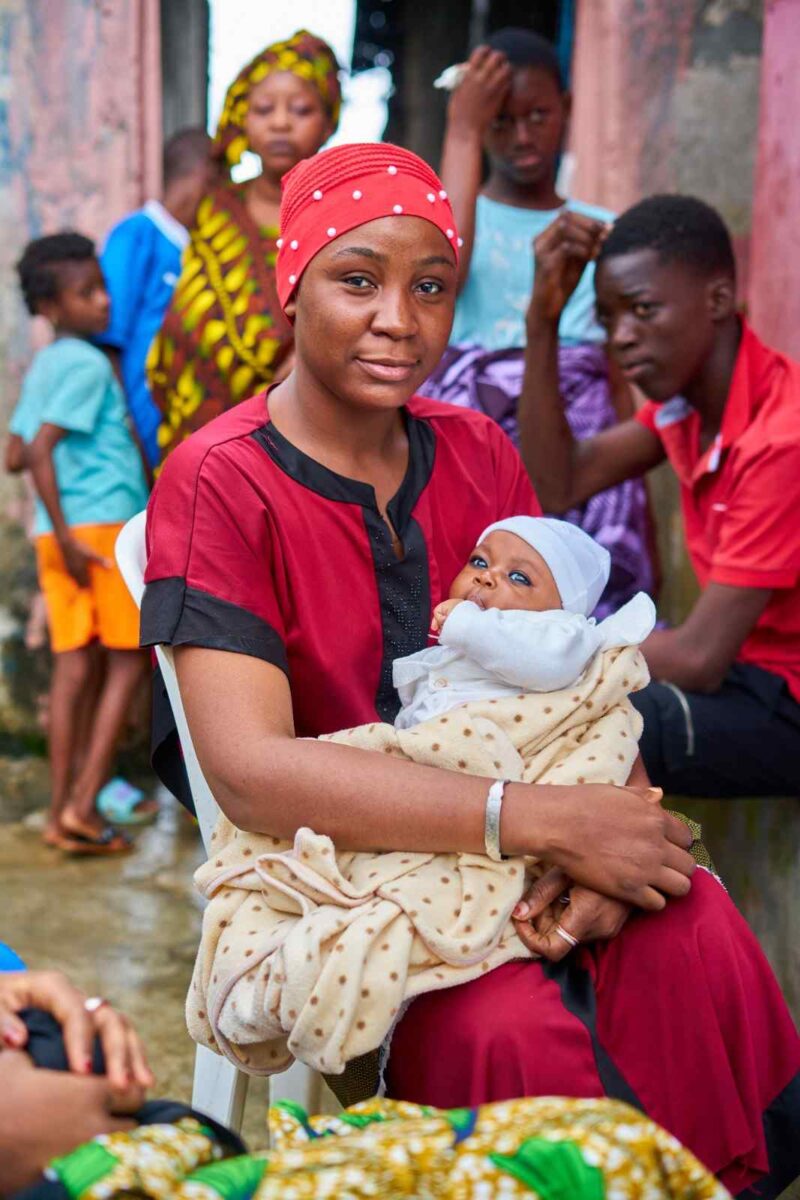
Yet the evidence is unambiguous: the first week after delivery is when the risk of both maternal and newborn death is highest, and postnatal home visits that assess and respond to danger signs during this period significantly reduce that risk.
For the majority of Nigerian women who deliver at home—and for those who deliver in facilities but are discharged within hours of delivery, as is common in facilities under pressure—the community health worker is the only health professional who will assess their condition and their baby’s condition in the critical early postnatal period.
The quality of the postnatal care that community health workers deliver in Nigerian homes is therefore a direct determinant of maternal and newborn survival.
The Essential Components of Community Postnatal Care in Nigeria
Effective community postnatal care in Nigerian homes covers seven essential domains for the mother and five for the newborn in the first six weeks after delivery.
For the Mother
- Uterine involution assessment—ensuring the uterus is contracting normally and that lochia is appropriate.
- Wound assessment for perineal tears or caesarean incision sites.
- Blood pressure monitoring.
- Anaemia assessment.
- Breastfeeding support.
- Mental health assessment.
- Family planning counselling beginning at the appropriate postnatal interval.
For the Newborn
- Temperature assessment and management—hypothermia being the most common immediately life-threatening newborn condition in resource-limited settings.
- Breastfeeding assessment—ensuring effective attachment and adequate milk transfer.
- Umbilical cord care—using clean, dry cord care and recognising signs of infection.
- Neonatal jaundice recognition.
- Immunisation status verification.
Community health workers who cover all of these domains systematically at each postnatal visit—using a structured assessment checklist to ensure nothing is omitted—provide genuinely comprehensive postnatal care.
Danger Signs That Nigerian Community Health Workers Must Recognise in the Postnatal Period
Maternal Danger Signs Requiring Immediate Referral
- Heavy bleeding—soaking more than one pad per hour.
- High fever—temperature above 38 degrees Celsius.
- Severe headache with visual disturbance—suggesting eclampsia.
- Swollen, red, or painful legs—suggesting deep vein thrombosis.
- Signs of wound infection—increasing pain, redness, swelling, or discharge at a delivery wound site.
Newborn Danger Signs Requiring Immediate Referral
- Inability to feed—a normally feeding newborn who suddenly stops feeding is a medical emergency.
- Fast breathing—more than sixty breaths per minute at rest.
- Chest in-drawing—visible recession of the chest wall with each breath.
- Convulsions.
- Abnormal temperature—either hypothermia below 36.5 degrees or fever above 38 degrees.
Community health workers who know these danger signs by memory and who assess for them systematically at every postnatal visit are providing the safety net that prevents preventable postnatal deaths.
Supporting Breastfeeding During Postnatal Home Visits in Nigeria
Breastfeeding support during postnatal home visits is one of the highest-impact activities a community health worker can perform for maternal and newborn health in Nigeria.
The early postnatal period—when breastmilk supply is being established and breastfeeding patterns are forming—is when breastfeeding support is most needed and most effective.
Community health workers who can assess breastfeeding attachment, identify and address common breastfeeding problems including engorgement, cracked nipples, and perceived insufficient milk, and provide confident encouragement and practical guidance during this period significantly improve exclusive breastfeeding rates and duration in the communities they serve.
The specific technical skills for postnatal breastfeeding support—assessing infant attachment using the WHO attachment assessment criteria, demonstrating correct positioning, explaining the physiology of milk supply and demand to address insufficient milk concerns, and providing appropriate referral for complex breastfeeding problems—are teachable in the initial community health worker training and maintainable through regular refresher and supervision.
Scheduling and Documentation of Postnatal Home Visits in Nigerian Communities
The recommended postnatal home visit schedule—within twenty-four hours of delivery for home births, and within two to three days of discharge for facility births; with additional visits at day three, day seven, day fourteen, and six weeks—provides the contact frequency that effective postnatal surveillance requires.
In practice, achieving this schedule requires community health workers to know which women in their catchment area have recently delivered, to prioritise postnatal visits in their daily work planning, and to have the transport means and time allocation that the schedule demands.
Digital postnatal visit tracking—using mobile apps or simple spreadsheets to maintain up-to-date registers of all recently delivered women and their scheduled visit dates—helps community health workers manage their postnatal workload systematically rather than relying on memory.
Supervisors who review postnatal visit completion rates in their regular supervision activities create the accountability that ensures postnatal care is delivered consistently rather than only when logistical circumstances make it convenient.
